

As at-home facial steaming surges in popularity again, experts are questioning whether heat-based skincare enhances absorption or temporarily disrupts the skin barrier, and whether ‘controlled thermal skincare’ could redefine the future of treatment.
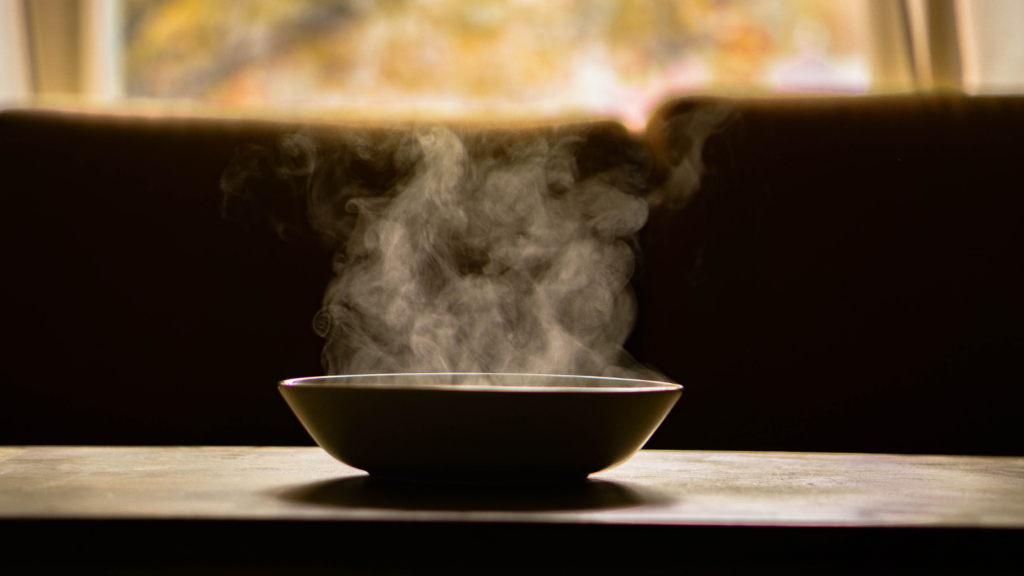
Since I was small, we were taught how to ‘steam our faces’. We would fill a bowl with warm, steamy water, and then, kitted out in our pink gowns and with our hair tied back, we would put a towel over our heads and hold our faces over the water for a short period of time. This would invigorate our complexions so that when we exposed our faces to the cool air – and the world at large – again, we would glow just that much more!
The pièce de résistance of the treatment would be slathering moisturiser on after the steaming session. If nothing else, we felt beautiful.
Just as it has for me, facial steaming has long held a reassuring place in skincare culture. It isn’t just a DIY home treatment. It has also long been used for spa treatments… think spa rooms filled with herbal vapour.
The logic behind these stream treatments is also relatively simple: heat the skin, open the pores, and allow products to penetrate more deeply.
However, modern dermatology is increasingly challenging the assumptions behind facial steaming. The argument is that while heat does alter the outermost layer of the skin and increase surface hydration, it may also temporarily weaken the skin’s protective barrier.
For this reason, many researchers believe that future skincare may move beyond crude heat exposure entirely, towards precise thermal control designed to optimise absorption without compromising skin integrity.
How Facial Steaming Works
Facial steaming increases the temperature and hydration level of the stratum corneum, the outermost layer of skin. This leads to temporary swelling of surface cells and softening of the lipid structure that binds them together. As a result, skin can appear smoother, more pliable, and more receptive to skincare products.
There is also increased blood flow in response to heat, which can produce a temporary flushed glow that is often interpreted as evidence of detoxification or deep cleansing. Many users report that serums and moisturisers feel as though they absorb more quickly after steaming, reinforcing the perception that the process enhances skincare efficacy.
Yet this perceived improvement in absorption does not necessarily translate into improved skin outcomes. The sensation of faster penetration may simply reflect a temporarily altered barrier state rather than a true increase in targeted or beneficial delivery.
The Effect Of Heat On The Skin Barrier
The skin barrier is a highly organised structure composed of cells and lipids that function together to retain moisture and protect against external irritants. When exposed to heat and steam, this structure becomes more fluid and less tightly regulated.
This increased fluidity can raise transepidermal water loss, meaning the skin loses moisture more rapidly after exposure. It can also temporarily disrupt the organisation of lipids, making the barrier more permeable not only to beneficial ingredients but also to irritants and environmental stressors.
In effect, steaming does not selectively improve absorption. It broadly increases permeability. This means that while skincare products may penetrate more easily, the skin also becomes more vulnerable during this period of heightened sensitivity. Ingredients that are normally well tolerated, such as exfoliating acids or retinoids, may cause irritation when applied immediately after steaming because they penetrate more deeply than the skin can comfortably handle.
The Hidden Recovery Phase
After steaming, the skin does not immediately return to its normal state. The lipid structure of the barrier takes time to stabilise, and moisture levels fluctuate as the skin attempts to rebalance itself. During this recovery phase, the skin can remain more reactive than usual.
This is particularly relevant when strong active ingredients are applied in close succession. The combination of heat exposure, followed by potent skincare, can amplify irritation potential, even in individuals who normally tolerate such products well. Over time, repeated cycles of barrier disruption and recovery may contribute to increased sensitivity or reduced resilience.
This is why some dermatologists caution against combining steaming with intensive skincare routines, particularly for individuals with already sensitive or compromised skin conditions.
Why Steaming Remains Popular
Despite these concerns, facial steaming continues to be widely used. Part of its appeal lies in its sensory experience.
Let’s be honest, which lady doesn’t like to feel pampered and put on her fluffy pink gown, before steaming her face, with her ‘girl friends’ alongside her? As it was with me, this ritual, if you could call it that, has always made me feel like something of a beauty queen, with or without results.
Facial steaming mimics spa treatments and creates a sense of care and intentionality within a skincare routine.
However, I’m more than open to how facial steaming may evolve in the future.
The professionals are suggesting methods of ‘controlled thermal modulation,’ which is as it sounds, the controlled use of heat. Think precision. This means that instead of exposing the skin to unpredictable levels of heat and humidity, precise temperature control is used. This will allow for more predictable delivery of active ingredients, while minimising dehydration and irritation risk.
Already thermally-controlled devices and treatments are taking the spotlight in beauty salons and clinics. If this direction continues to develop, thermal skincare may move from a home ritual to a precision-based treatment category.
Instead of leaning over bowls of hot water, future skincare devices could apply targeted heat pulses to specific areas of the face, timed to coincide with product application and designed around individual skin needs.
This would represent a broader shift in skincare philosophy, from general stimulation toward biologically calibrated intervention. This won’t mean abandoning heat entirely, but rather by refining how it is used.
Most importantly, you will still be considered in the whole matter and made to feel special; which really is the essence of a facial steaming session. Your unique biology and the needs of your skin will be considered… and yes, if you want to wear the fluffy pink gown when undergoing thermally modulated facial steaming treatments in the future, I’m sure no-one will deny you that privilege!