
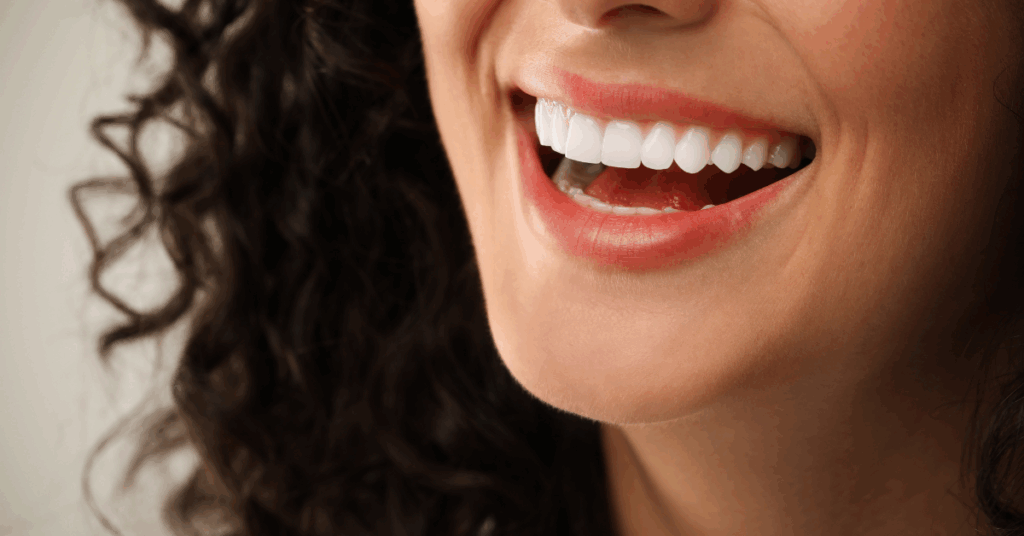
Actress Julia Roberts once said, “When you smile, everything changes.” It’s true. A smile is possibly one of our most beautiful assets.
“Yes, your smile. People notice it first, and it speaks volumes way before you say hello. If you don’t love your smile, it’s time to think of a transformation,” says Elevated Magazine.
It’s in acknowledging the importance of a bright and memorable smile that Digital Smile Design (DSD) has become a rising trend in cosmetic dentistry. Smile Design uses a combination of advanced techniques to create a radiant, personalised smile. These methods include ultra-thin veneers, digital imaging, and laser contouring, among others.
This Smile Design movement is currently being driven by social media platforms, such as Instagram, TikTok and Facebook. According to studies, 72% of consumers say that social media directly influences their purchasing decisions when it comes to dental aesthetics.
The global digital dentistry market, which includes smile‑design software, jumped from USD 4,1 billion in 2023 and is projected to nearly double to USD 9,2 billion by 2030.
AI integration is also playing a key role, with AI‑driven applications analysing facial symmetry and expressions to tailor virtual smile previews, and patient satisfaction rates exceeding 90% when such digital tools are used.
Celebrity influencers are among those driving interest in non-invasive smile transformation techniques. Tom Cruise credits his smile as his ‘most important feature’, and Serena Williams has called her winning grin ‘my greatest accessory.’

However, it’s not just celebrities who know the value of a good smile. Author Paulo Coelho wrote that a beautiful smile is all you need.
“Smile, a person’s ability to express a range of emotions with the structure and movement of the teeth and lips, can often determine how well a person can function in society,” says a report by the National Institutes of Health (NIH). “Of course, the importance given to a beautiful smile is not new. The search for beauty can be traced to the earliest civilisations; both the Phoenicians (app 800 BC) and Etruscians (app 900 BC) carefully carved animal tusks to simulate the shape, form and hue of natural teeth. It was not until the 18th century that dentistry was recognised as a separate discipline and its various branches were established.”
Ultra-Thin Porcelain Veneers
At the heart of this transformation is the use of ultra-thin porcelain veneers. Some of these are no thicker than a contact lens. These ultra-light shells can be bonded to the surface of teeth with minimal alteration to the natural enamel. This preserves oral health while dramatically improving aesthetics.
“Patients are amazed that we can transform their smile in such a subtle yet impactful way,” says Dr Lacy Phillips, a cosmetic dentist specialising in digital smile make-overs. “It’s a new era of confidence without compromise.”
3D Imaging
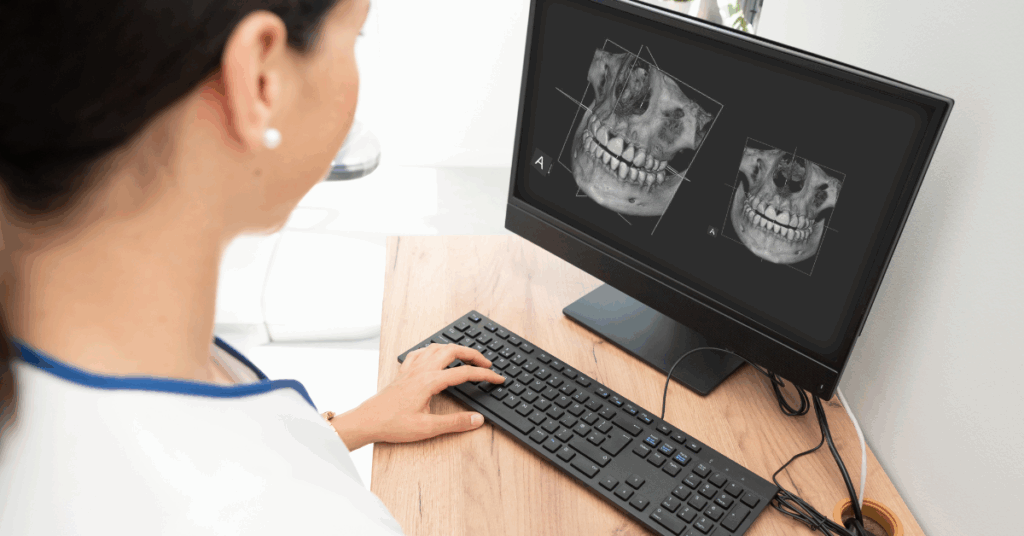
The rise of 3D imaging has created even more possibilities for Smile Design. Unlike traditional X-rays, modern 3D scans capture detailed visuals of the teeth, jaw, and face in three dimensions. This allows for precise planning and simulation.
Patients can now preview their post-treatment smile virtually, giving them a sense of control and clarity before any procedure begins.
This technology is reshaping diagnostics and improving outcomes for crowns, implants, aligners, and veneers. “It’s like architectural modeling for your face,” explains Dr Caroline Bridges, a pioneer in smile simulation. “You see the before-and-after in digital format, so there are no surprises.”
Gum Contouring
Procedures like gum contouring further refine the smile. This technique uses lasers to gently sculpt the gum line. It also offers quicker healing, less discomfort, and a more symmetrical frame for the teeth. It is especially beneficial for those with gummy smiles or uneven gum-to-tooth ratios.
Laser Teeth Whitening
Laser teeth whitening rounds off the package, offering a brightened smile in just one appointment, with minimal sensitivity.
Designing Your Smile Beyond Your Teeth
However, Smile Design isn’t limited to teeth. The modern smile make-over now includes enhancements around the mouth to create a more balanced and youthful look.
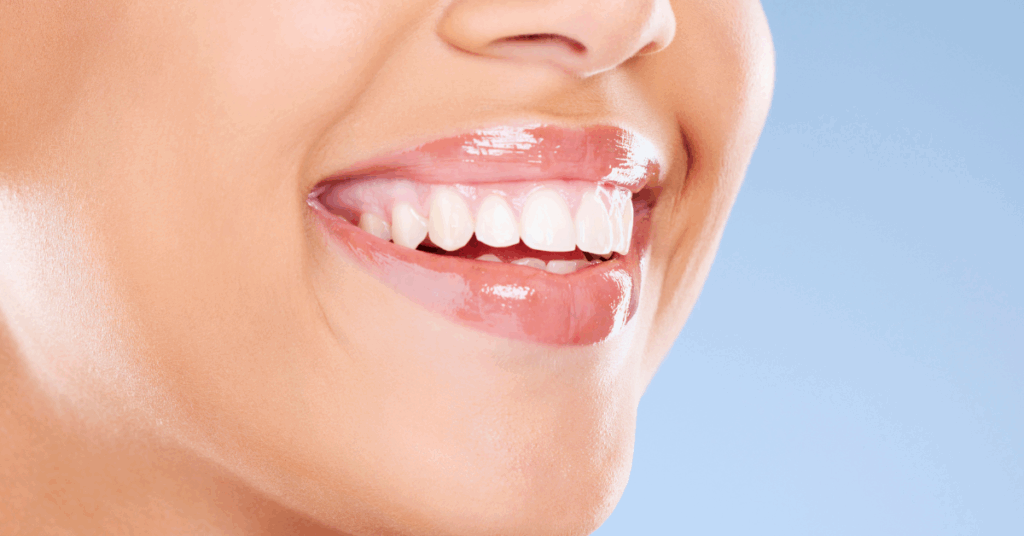
Lip fillers made from hyaluronic acid add soft volume and symmetry to the mouth area. Botox can also be used to smooth out fine lines above the lip and to lift up the corners of the mouth.
These subtle but strategic upgrades are rapidly gaining in popularity online. Social media has become a showcase for before-and-after smiles. This is because influencers and everyday users aren’t just sharing details about the non-invasive techniques they are using to transform their smiles. They are also documenting their journeys.
Dentists report that many patients now bring in photos of Margot Robbie or Cheryl Cole, requesting similar symmetry and sparkle. In Hollywood, stars like Kim Kardashian and Jennifer Lawrence have long embraced porcelain veneers, fueling the movement. “It’s not about having the same smile as someone else,” says Dr Bridges. “It’s about unlocking the best version of your own.”
Leaving It To The Experts
It is critical to seek advice from certified practitioners before trying anything new, whether this be a supplement with multiple claims, or a treatment. Cosmetic dentistry and Smile Design should be overseen by experts..
Smile Design is part of a broader cultural shift towards authenticity and well-being. In an age where the smile is often the first feature noticed in a photo, on a screen, or across a room, people are reclaiming the power of their expressions through these thoughtful, high-tech methods.
Perfecting your smile has never been so personalised, empowering, and precise.


1 Comment
Such an insightful article — a healthy smile truly impacts overall confidence and well-being. Good dental care, restful sleep, and overall wellness go hand in hand. For anyone curious about sleep health and proper respiratory care (which also supports overall wellness).