

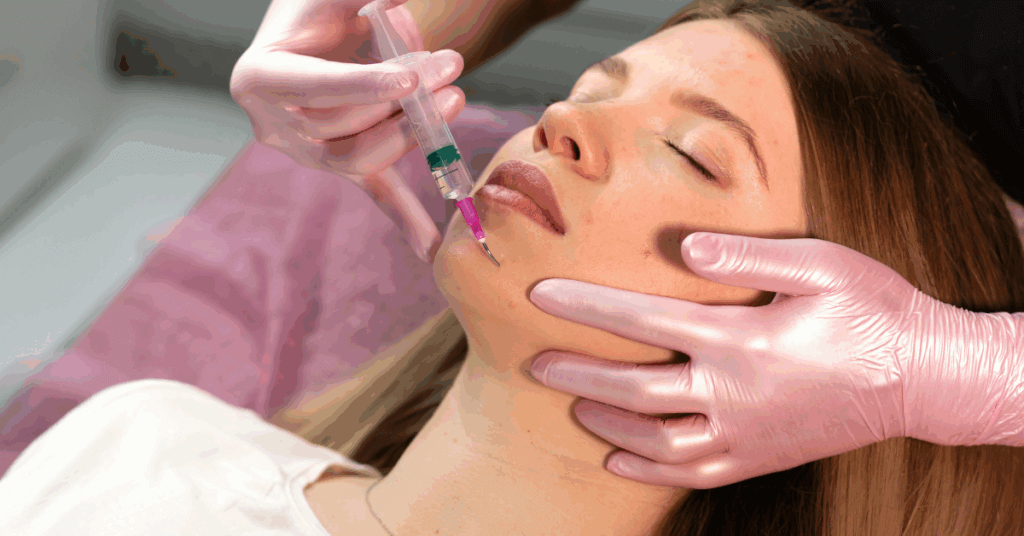
There is absolutely no denying that in the year 2026, we are truly spoiled for choice when it comes to tweaking our appearance. From neck surgery to a non-surgical neck trim. And of course, one comes with a higher price tag but offers greater longevity, while the other is more affordable and comes with minimal downtime.
So, which one to choose? When is a non-surgical treatment is worth considering before opting for a surgical approach? And when surgery is on the table but a non-surgical option exists, which one is truly cheaper in the long run … and, more importantly, which one is actually worth having?
After all, “Beautiful skin requires commitment, not a miracle,” as an anonymous soul once said. But which kind of magic do you really need? Join us as we talk more about it.
The Appeal Of Non-Surgical Aesthetic Treatments
It goes without saying, non-surgical aesthetic procedures, like Botox, dermal fillers, skin tightening treatments, and laser resurfacing, have seen a huge rise in demand in recent years.
If we simply look at Botox (as a starting point), it was first approved for cosmetic use by the US Food and Drug Administration (FDA) in April 2002. But … since then, it has skyrocketed in popularity!
Celebs love it.
Influencers love it.
Heck, even most of our neighbours love it.
Maybe, even you love it …
And with good reason. Because, Botox offers a quick way to wave crow’s feet, forehead lines, neck bands, and other dynamic wrinkles bon voyage fast.
When it comes to fillers, especially hyaluronic acid-based ones, these have been developed and approved for cosmetic purposes since 2003 (in the case of Restylane). Juvederm quickly followed in Restylane’s footsteps and was approved in 2006 for facial aesthetic enhancement. And 20 years later, they are as adorned as ever. Probably because they also promise minimal downtime, subtle results, and accessibility at a fraction of the price of surgery to fill our sunken hollows, which naturally come with age. They can also help reshape the nose and lips. Meaning, if a dorsal hump or thin lips are getting in the way of your happiness, fillers can most definitely help.
But, two super popular non-surgical treatments aside, let’s talk prices. An anti-wrinkle injection session may cost anywhere between £225 to £450, while a syringe of dermal filler might range from £525 to £750. Naturally, it goes without saying that these are merely ballpark figures, and treatment depends on the clinic’s expertise and the area being treated.
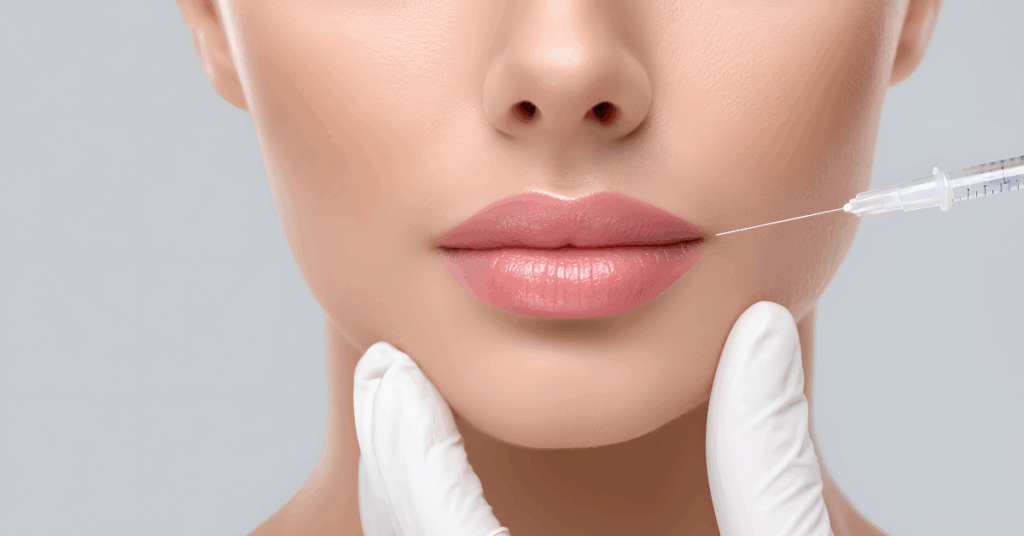
However, these “quick fixes” often come with a hidden price, that being … repetition.
This is because most non-surgical treatments are not one-time investments. Botox results last three to six months, and dermal fillers can last six months to two years, depending on the product. Other crowd favourites, like laser treatments, often require multiple sessions followed by yearly maintenance. Over time, those costs can quietly add up, sometimes even surpassing the price of surgical alternatives.
Having said that, non-surgical treatments come with minimal to zero downtime (meaning it is ideal if you are busy and do not have months on end to take off work, or explain a grand transformation to your colleagues.
Their temporary nature also lets you try changing your appearance without committing to it forever. Therefore, it really is no surprise that these treatments are hugely popular among UK patients.
The Longevity Of Surgical Procedures
When it comes to surgical options, like facelifts, eyelid surgery (blepharoplasty), or liposuction, they do carry a higher upfront cost, BUT they do deliver long-lasting or even permanent results.
For example, a facelift can range from £7,500 to £15,000, but its effects may last a decade or more. That is amazing, is it not? Similarly, eyelid surgery, often costing around $5,000, can rejuvenate the eyes for many years without the need for frequent touch-ups.
While the initial expense is substantial, surgery can ultimately prove more economical. A patient who spends £1,500 per year on injectables may reach the cost of a facelift in just five years, yet still need to continue treatments to maintain results. In contrast, surgical outcomes often require only minor non-surgical maintenance, such as skincare or small touch-ups, over time.
Of course, we need to mention that certain issues CANNOT be treated non-surgically. This includes severe skin laxity. Therefore, in certain situations, plastic surgery is the only outcome to ensure you have successfully turned back the hands of time.
That being said, some anti-ageing solutions do not require surgery at all (which is why a consultation with a skilled practitioner is invaluable). In fact, surgery might not even be on the cards for you right now. Before reading on, take a moment to think about your goals and needs, and keep them in mind as you explore the options below.
Here Is A Rough Cost Comparison
Let’s take a practical example. Suppose a 40-year-old patient begins using Botox and filler to address facial ageing. They might spend:
Botox: £450 per session × 3 times per year = £1,350 annually
Fillers: £750 per syringe × 2 per year = £1,500 annually
Total yearly spend: £2,850
Over 10 years, that amounts to £28,500, assuming prices remain constant (which they rarely do).
Alternatively, a facelift at around £11,250 might offer similar or superior rejuvenation lasting a decade or longer. Even factoring in some skincare or laser maintenance, the surgical route can end up costing significantly less over time.
The Real Cost Of Beauty
Of course, cost is not the only consideration.
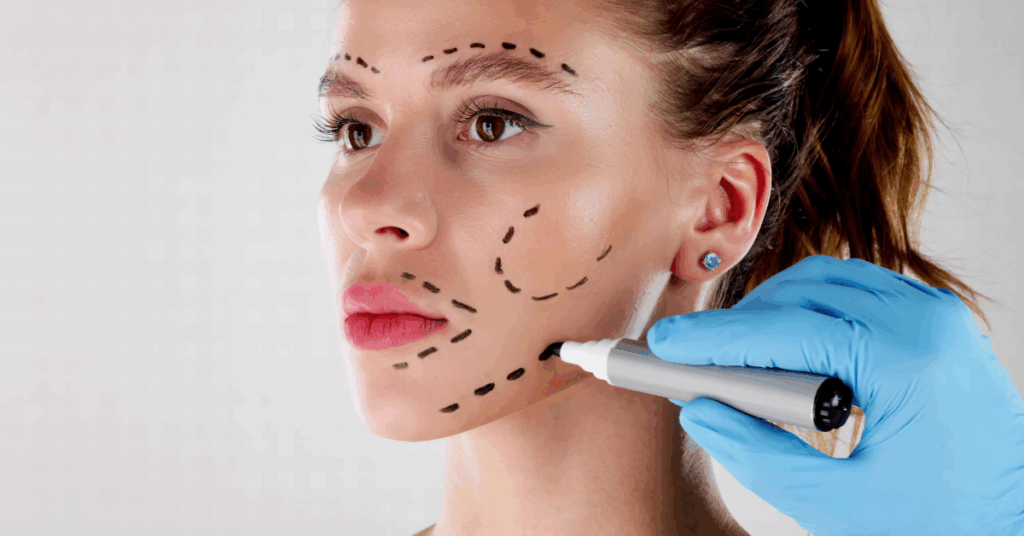
It is important to beat in mind that surgery involves anaesthesia, recovery time, and potential complications.
Whereas non-surgical treatments, while temporary, are minimally invasive and allow patients to return to normal activities immediately. For some, the convenience and flexibility outweigh the financial trade-off.
There is also the matter of control. Non-surgical treatments allow for gradual enhancement (meaning, patients can make small adjustments as their features or preferences change). Surgery, on the other hand, is more permanent and less adaptable, though it often provides more dramatic results
While aesthetic treatments can seem more affordable at first glance, their repeat nature often makes them more expensive over time than surgical procedures. A single facelift or eyelid surgery can, in many cases, replace years of injectables and touch-ups, saving both time and money in the long run.
That said, affordability is not just about pounds, it is also about lifestyle, expectations, and personal comfort.
So, whether you choose the one-time commitment of surgery or the flexibility of ongoing treatments, understanding the true long-term costs can help ensure your investment in beauty is both satisfying and sustainable.