

My grandparents were among a generation of golden oldies who swore by castor oil. They advocated having a teaspoon of it each day for good health.
My parents have memories of their parents giving them a teaspoon of castor oil each day. There was no way to make it less oily or more appealing to a child. My dad used to tell the story of how when he was a small boy and lived on the farm, his grandmother would come out with the castor oil and the children would hide away.
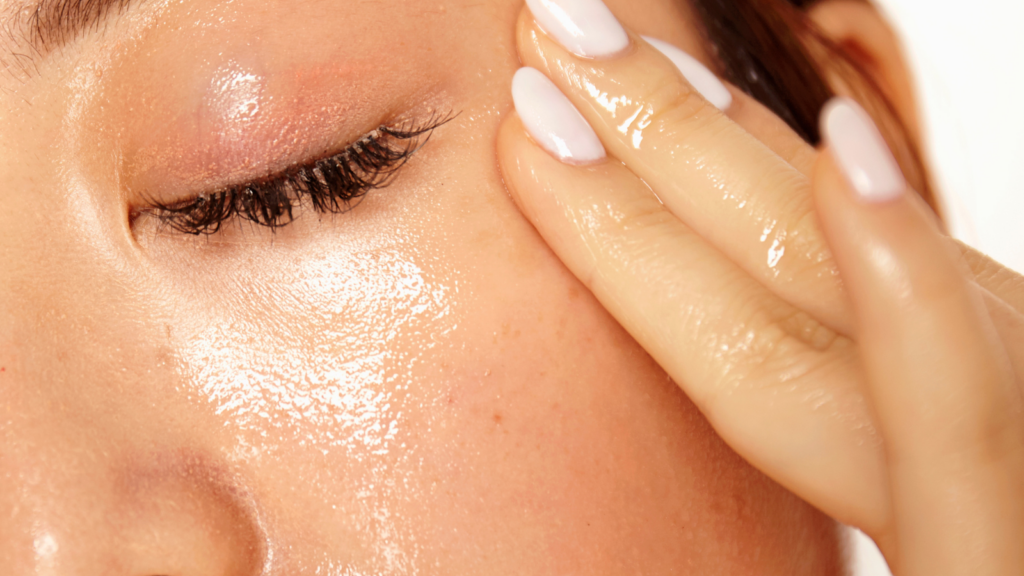
However, it seems after decades of remaining low-key, castor oil has again stepped into the spotlight and with extraordinary acclaim. Search ‘castor oil’ on TikTok or Instagram and you’ll find millions of views dedicated to what many creators call ‘nature’s answer’ to almost every beauty concern imaginable. According to social media, a single bottle can thicken eyelashes, regrow eyebrows, reverse hair loss, erase wrinkles, fade scars, reduce puffiness, sculpt the jawline, soften stretch marks, improve lymphatic drainage and even deliver a natural facelift.
This enthusiasm over castor oil has drawn criticism from the sceptics, who aren’t as convinced as those caught in the online social media hype.
Is castor oil a miracle beauty hack or a marketing myth? Could ‘grandmother’ have really been on to something when she persisted in regularly giving her children castor oil? We thought we would explore further.
Reasons For The Hype
The fascination with castor oil is hardly new. Extracted from the seeds of the Ricinus communis plant, it has been used for thousands of years in Egyptian, Indian and Chinese medicine.
Rich in ricinoleic acid, a unique omega-9 fatty acid, castor oil possesses emollient, anti-inflammatory and moisture-retaining properties that explain why it has long appeared in cosmetics, lipsticks and skin creams.
Its modern revival, however, is being driven by algorithms. Videos showing dramatic eyelash transformations, fuller brows and thicker hair often rack up millions of views, while ‘before and after’ photographs spread rapidly across multiple platforms.
We examine each claim made about castor oil on social media in turn:
Eyelash And Eyebrow Growth
One of the most widespread claims concerns eyelash and eyebrow growth. Users typically apply castor oil nightly using a clean mascara wand, reporting darker, fuller lashes after several weeks.
Scientifically, however, the picture is less convincing. There is currently little high-quality clinical evidence demonstrating that castor oil directly stimulates new hair growth. Instead, dermatologists believe its conditioning properties coat existing hairs, reducing breakage and making lashes and brows appear thicker and shinier over time. Better hydration can also improve flexibility, reducing the likelihood of fragile hairs snapping during cleansing or makeup removal.
Scalp Health
Castor oil has become a staple of ‘hair maxxing’ routines, with influencers claiming it can reverse thinning hair or stimulate dormant follicles.
Although massage itself may improve scalp circulation and regular conditioning can reduce hair shaft damage, there is no robust evidence that castor oil alone can regenerate follicles affected by androgenetic alopecia or other forms of significant hair loss. Patients experiencing progressive thinning are still likely to benefit more from evidence-based interventions, including medical assessment and, where appropriate, clinically validated therapies.
Wrinkle Removal
Perhaps even more ambitious are claims that castor oil can erase wrinkles. Here, social media often confuses hydration with rejuvenation. Dry skin naturally exaggerates fine lines. By creating an occlusive barrier that reduces transepidermal water loss, castor oil helps retain moisture, making the skin surface appear temporarily smoother and plumper. This cosmetic improvement can certainly enhance skin texture, but it is very different from stimulating collagen production or reversing intrinsic ageing.
Unlike ingredients such as retinoids, peptides or certain in-clinic regenerative treatments, castor oil has not demonstrated the ability to remodel the skin’s structural framework.
Scar Reduction
Scar reduction is another area where expectations frequently outpace the evidence. Because castor oil keeps tissue supple and supports skin barrier function, some individuals notice improvements in the appearance of newer scars, particularly when combined with regular massage.
However, there is currently insufficient evidence that it significantly remodels established scar tissue or reduces fibrosis in the same way that proven interventions such as silicone therapy, laser resurfacing, microneedling or certain regenerative procedures can.
Lymphatic Drainage
Castor oil packs are increasingly promoted for lymphatic drainage and facial sculpting. In these routines, clothes soaked in warm castor oil are applied to the face or body before massage. Influencers frequently claim that this process ‘detoxifies’ the body or melts away inflammation.
While gentle facial massage can temporarily reduce puffiness by encouraging fluid movement, the idea that castor oil itself actively detoxifies the lymphatic system lacks convincing scientific evidence. The lymphatic system is already highly efficient at removing waste products through normal physiological processes. Although massage techniques may support fluid drainage in specific situations, applying castor oil does not fundamentally alter lymphatic function.
The Verdict
Social media often presents beauty as a series of simple hacks, yet skin biology is considerably more complex than many online videos suggest.
In many cases, castor oil may serve as a supportive product rather than a transformative one. Used alongside evidence-based skincare, it may help maintain hydration, support the skin barrier and improve the appearance of dryness. What it cannot currently claim is the ability to regenerate collagen, reverse ageing, eliminate scars or replace clinically validated hair restoration therapies.
Patch testing remains advisable before introducing any new product, including castor oil, into a skincare routine. Then, there’s the old adage, ‘always ask a professional.’