

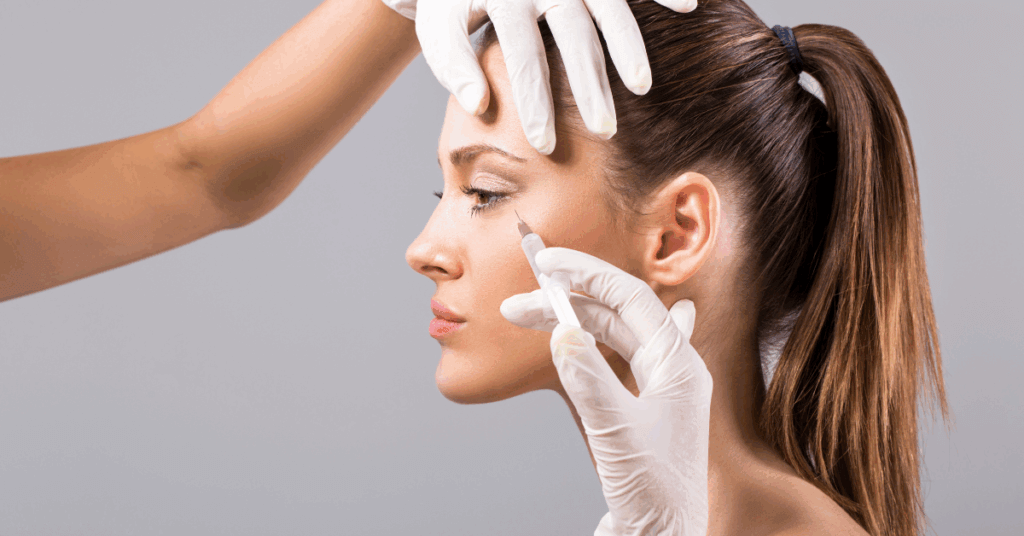
Chances are, we are all either aware of Botox through a friend, or we have had a Botox injection at some point in our lives. After all, Botox is probably the MOST well-known non-surgical anti-ageing term (and treatment) on the planet. But what is sometimes marketed as a cheaper solution to a surgical facelift, may not always be the case … or could it?
And that is what we want to delve into deeper than the Mariana Trench today. Because look, if the effects of ageing is getting you more down that your frown, you, just like me, would want to know, can you really afford Botox in the long run?
Let’s discuss.
Let’s Unwrap The Term, The History, And The Purpose Of Botox
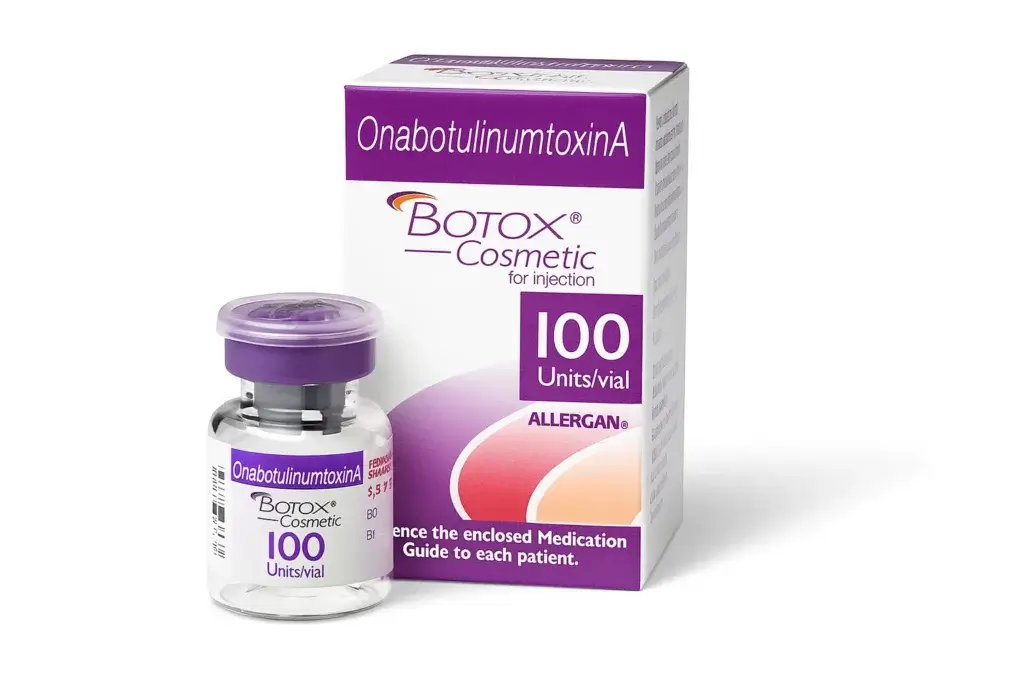
Botox may be one of the world’s most famous cosmetic treatments today, but its rise to beauty-industry dominance is surprisingly recent (yet also ancient). Long story short, Botox for wrinkles and fine lines was discovered by accident.
But then again, so was Botox in general. Botulinum toxin (the active ingredient in Botox) was originally identified in the late 19th century as the cause of botulism, a serious form of food poisoning from contaminated meat or canned foods. Scientists knew it caused muscle paralysis, but obviously, at that stage it was a dangerous substance.
Fast forward to the 1970s and 1980s, ophthalmologist Dr Alan Scott was researching treatments for strabismus, as he realised that tiny, controlled doses of botulinum toxin could temporarily relax overactive eye muscles. In 1978, he successfully used the toxin in patients to paralyse specific eye muscles, improving alignment without surgery.
The “accidental” aesthetic discovery came later. In the 1980s and 1990s, dermatologists and cosmetic surgeons noticed that patients treated with Botox for eye disorders also had fewer wrinkles around their eyes. This led to studies targeting the forehead and crow’s feet, and by 2002, Botox was officially approved in the US (and shortly after in the UK) for cosmetic use.
And as we all know, the rest is literally (and proverbially) history, because Botox has boomed since then. Known for being a quick treatment that can be done during your lunch hour, and delivering fairly long-lasting results (typically lasting around 3 to 60 months), it has been a hit among many!
Naturally, the price of one Botox treatment differs vastly. It depends on your concerns,the number of vials used, the clinic, and the list goes on. Many clinics in London charge around £180 for one area, £275 for two areas, and £350 for three areas. With the average starting rate being around £299 per treatment.
Okay, Now It Is Time For The Mathematics
I hate maths, there are no two ways about it. But, just for you, I decided to bust out my calculator.
Looking at the above info, we need to create a base note. Let us rock and roll with one Botox treatment, putting every patient at least £180 out of pocket. Since, Botox typically lasts about 3 to 6 months per treatment, that roughly equates to most people getting treatments 2 to 4 times per year.
Going on that note, £180 x 4 = £720 a year.
When it comes to mini facelifts, costs can vary widely depending on the scope of the procedure, the surgeon’s experience, and the quality of the clinic. In London, mini facelifts generally range from approximately £7,000 to £10,000.
And how long do they last? Great question. Results usually last 5 to 8 years, depending on skin type, age, lifestyle, and how much laxity you started with.
That means, Botox (the cheapest option) will cost you around £3600 after 5 years, £5760 around 8 years, AND around 32+ sessions close to the 10-year mark.
So, the question is, do you want a once off? Or do you want a treatment where you can bounce back after each and every session with ease?
What About Safety?
Botulinum toxin type A works by temporarily reducing muscle activity. The effect typically begins within days and lasts only a few months. This process is generally considered as safe,when performed by a qualified professional. Of course.
A large review looked at 9,669 patients across 32 clinical trials using cosmetic Botox (type A). It found most side effects were mild to moderate, such as headaches, redness or swelling at the injection site, and temporary muscle weakness, and they usually went away on their own.
A separate long-term study (in non-cosmetic uses) showed that repeated Botox treatments over time did not cause lasting nerve or muscle damage. In that study, the only side effect noticeably more common than in untreated patients was localised muscle weakness in the area injected.
When it comes to mini facelift, a review of over 129,000 facelift patients found that serious complications are rare, occurring in only about 1.8% of cases. The most common issues were haematoma (a small collection of blood under the skin) at around 1.1%, and infection at about 0.3%.
What Happens If I Stop?
If you stop getting Botox injections, nothing catastrophic happens to your skin. What happens in practice is straightforward. The treated muscles slowly regain strength and movement, and the lines and creases you smoothed with Botox gradually return to something close to their pre-treatment state.
Therefore, if you had Botox in the past, and now want to change your treatment course of action, we would say you are in the clear. Of course, a trained professional will be able to give more clarity on the subject.
Same goes for surgery. If you have one, and not another a decade down the line, your skin will just age the normal route as your body is programmed to do.
Bottom Line: Affordability Is Personal
If your main question is pure cashflow, short-term Botox is more affordable and reversible. If you are weighing lifetime spend and want a longer-lasting structural change, a mini facelift may make financial sense after several years, but it is invasive, carries surgical risk, and costs more upfront.
In the end, if you can really Botox or not, is entirely up to you.