

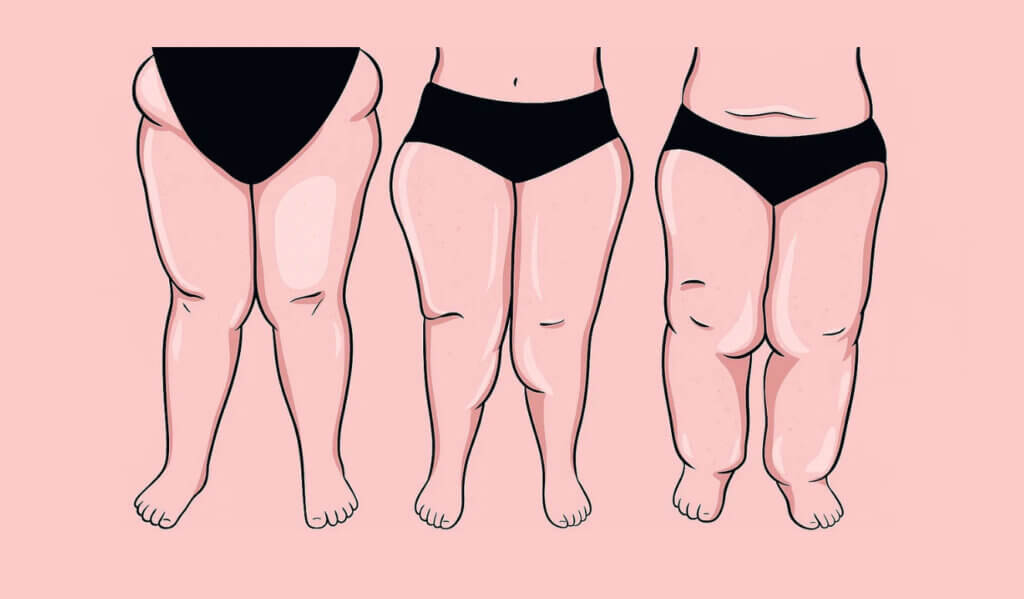
If you had biology in high school, the chances are your learned about lipids (a broad group of fats and fat-like molecules that are one of the main building blocks of life). However, opposite to lipids that help maintain life, lipedema, a chronic, progressive disorder of fat distribution that primarily affects women, can encroach on it.
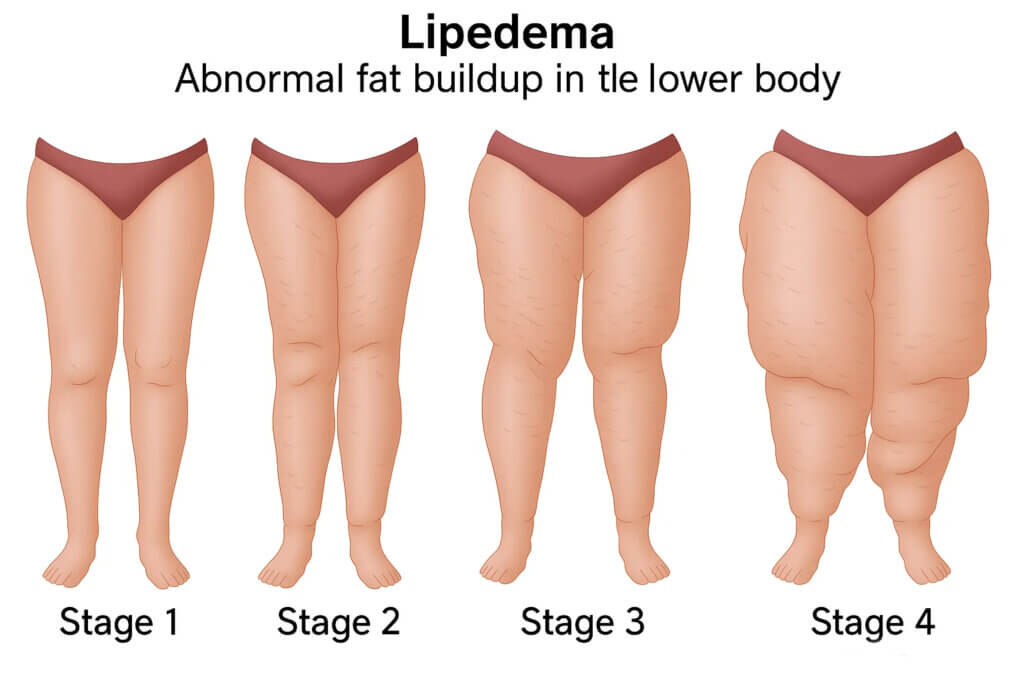
Even though both lipids and lipedema are derived from the Greek word lipos (λίπος), which means fat. The key lies in -oidema, (οίδημα), meaning swelling. This is because the condition is characterised by an abnormal buildup of fatty tissue, most often in the legs, hips, buttocks, and sometimes the arms, which is often tender, and resistant to diet or exercise.
So, now the million-dollar question is: how can one combat the condition to help restore mobility and overall quality of life?
Understanding The Condition That’s Often Misunderstood
Lipedema was first identified in 1940 by the German physician Dr Edgar Allen, who recognised it as a distinct medical condition, separate from obesity or lymphoedema. The condition is not caused by overeating or obesity. It is, instead, characterised by symmetrical fat deposits, often accompanied by pain and easy bruising, and behaves very differently from normal body fat.
Some studies estimate that around 10 % to 11 % of adult women may have lipedema today (which could be some 400 million people)! While lipedema is a progressive disease, early intervention and proper treatment can slow its development and relieve symptoms.
Leading The Way In Lipedema Care
The goals of lipedema treatment are to reduce pain and tenderness, decrease swelling and heaviness, improve limb shape and function, prevent the progression of fat accumulation, and enhance emotional well-being and overall quality of life.
And the latest breakthrough in treatment is lipedema VASER surgery. VASER (Vibration Amplification of Sound Energy at Resonance) lipo is a minimally invasive technique that uses ultrasound energy to selectively target and liquefy fat cells.
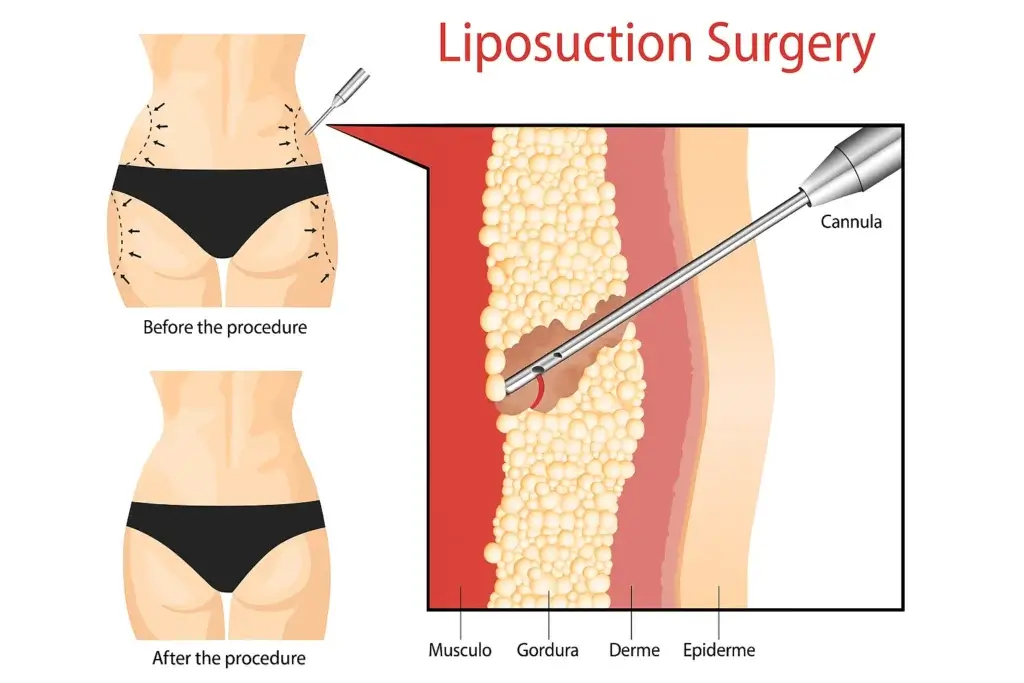
During the procedure, a tumescent solution is first infused into the treatment area. Then, ultrasound probes emit high-frequency sound waves that break down fat cells while preserving vital structures like blood vessels, lymphatics, and connective tissue. The liquefied fat is then gently suctioned out.
Many patients notice an immediate reduction in pain and heaviness, with continued improvements in mobility as healing progresses. Plus, once the abnormal fat cells are removed, they do not grow back, providing long-lasting symptom relief and improved limb shape.
Other Surgical Lipedema Treatments
1. Tumescent Liposuction
Tumescent liposuction involves injecting a saline solution containing local anaesthetic and epinephrine into the affected area. This helps loosen fat cells and minimise bleeding during suction. It is considered safe and effective for lipedema, particularly in experienced hands.
2. Water-Assisted Liposuction (WAL)
Also known as the Body-Jet technique, WAL uses a gentle jet of water to dislodge and remove fat while protecting connective and lymphatic tissue. This method often results in less bruising and quicker recovery.
3. Power-Assisted Liposuction (PAL)
PAL uses a vibrating cannula to mechanically assist fat removal. It allows for precise control, making it ideal for fibrotic or dense fat areas common in lipedema patients.
Non-Surgical Options
Manual Lymphatic Drainage (MLD) is a specialised massage technique that helps stimulate the lymphatic system, improving fluid movement and reducing swelling. And regular MLD sessions can help relieve heaviness, tension, and pain, particularly when combined with compression therapy.
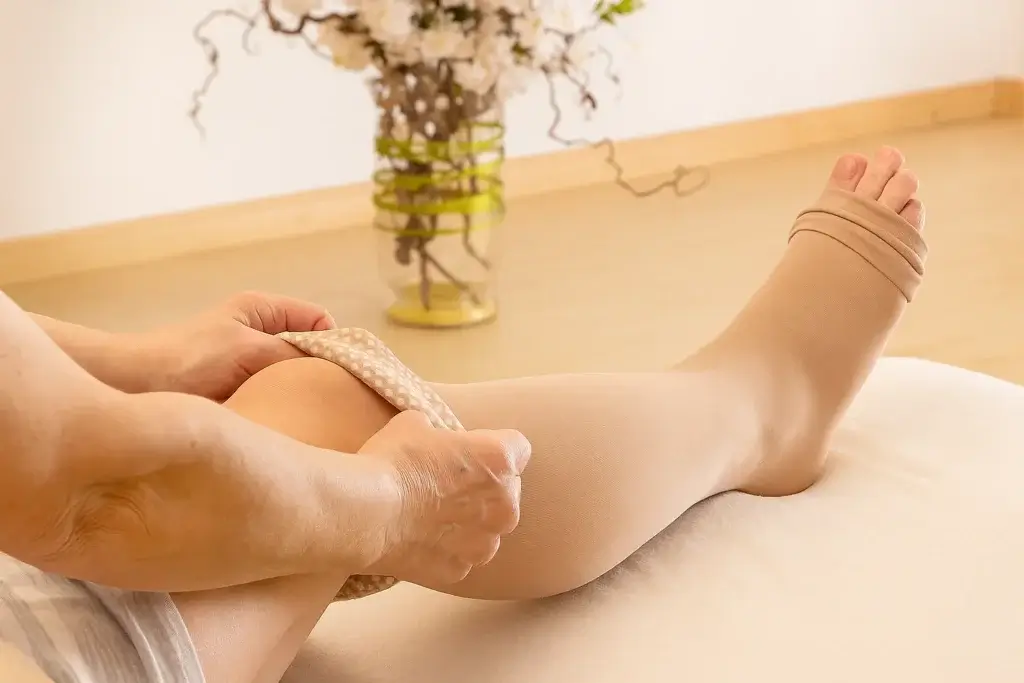
So, what is compression therapy? It involves the use of garments (like stockings, leggings, or sleeves) that help control swelling and improve circulation. These garments are often custom-fitted for maximum comfort and effectiveness, with graduated compression promoting lymphatic flow and supporting tissues affected by the condition.
A Brighter Outlook For Lipedema Patients
Lipedema treatment has truly come a long way, offering hope and relief to those living with this challenging condition. While conservative therapies play a vital role in managing symptoms, there is no denying that surgical options, especially VASER liposuction, are believed to significantly improve both physical and emotional well-being.
Just remember, the key is early diagnosis, expert care, and a personalised treatment plan that addresses both the functional and aesthetic aspects of lipedema. The early symptoms of lipedema can be subtle and are often mistaken for ordinary weight gain or swelling. However, if the areas are often painful to touch, even with light pressure, or bruise easily, give your doctor a call. Because with the right approach, patients can reclaim mobility and comfort in their bodies once again.