

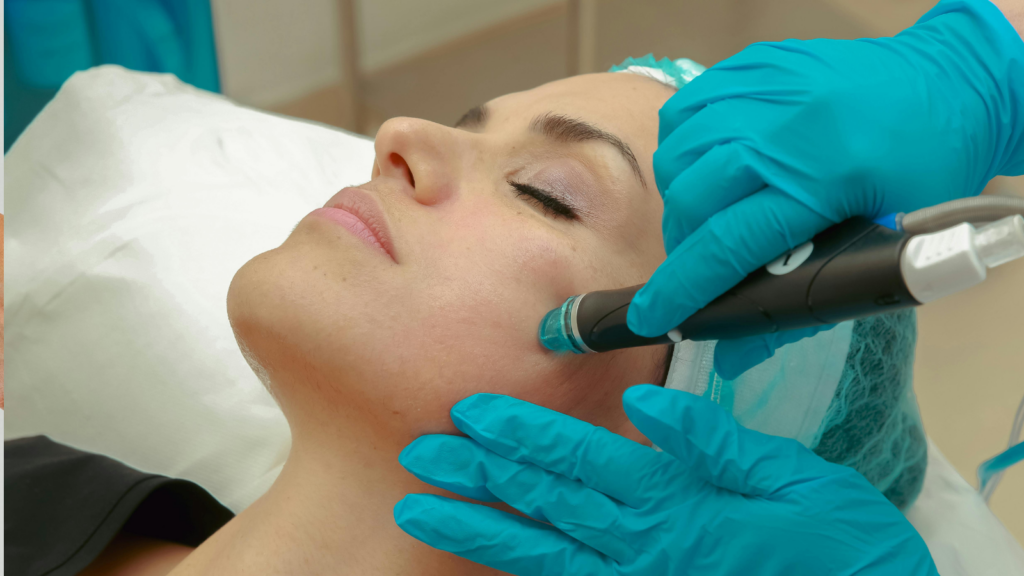
Not long ago, aesthetic consultations revolved around the question: “Which treatment should I have?”
However, patients are now interested in treatment combinations and asking questions like: Can I combine Botox with skin boosters? Should I have laser treatment before fillers? Is RF microneedling safe with PDRN? Which treatments should never be done together?
Practitioners are equally excited about treatment combinations. Terms like ‘treatment stacking’ are doing the rounds. However, while the concept of treatment combinations seems quite straightforward; it’s actually a little trickier than you might initially assume.
Wrong treatment combinations and sequencing can do more than just create inconvenience. They can cause damage to your skin and body. This is why it is important that the ‘combo’ you desire has scientific backing and professional approval.
Considering this trend towards combination treatments, I noticed that there remains surprisingly little information online about treatment sequencing. Many articles explain what individual procedures do, but few discuss why the order in which treatments are performed can influence both safety and results.
We put together some tips to help you out, however, please note that you still need to speak to a professional before undergoing any treatment and especially, a combination of treatments.
Here are some of the more common questions being asked about treatment ‘combos’:
Can Botox And Skin Boosters Be Done Together?
One of the most common questions patients ask is whether neuromodulators and skin boosters can be performed during the same treatment journey. In many cases, the answer is yes.
Botulinum toxin works by temporarily relaxing targeted facial muscles which cause dynamic wrinkles, while skin boosters improve hydration, elasticity and skin quality without significantly altering facial volume.
Since the two treatments work through entirely different biological mechanisms, they are often complementary rather than competitive.
Many practitioners perform both during the same appointment or within a short treatment window, depending on the products used and the areas being treated. Relaxing excessive muscle movement may even help protect newly stimulated collagen by reducing repetitive skin folding.
Should Laser Come Before Dermal Fillers?
Timing becomes considerably more important when combining energy-based devices with dermal fillers. Many clinicians prefer performing laser resurfacing before filler treatment, particularly when deeper ablative lasers are involved.
The reason is that certain energy-based treatments generate heat that may theoretically alter the properties of some filler materials or increase post-treatment swelling, making it more difficult to assess final cosmetic results.
Treating skin quality first also allows practitioners to evaluate how much volume replacement is genuinely needed once the skin has improved.
However, treatment protocols vary depending on the technology being used, the depth of treatment and the type of filler already present. For this reason, patients should never assume that a sequence suitable for one device automatically applies to another.
Can RF Microneedling Be Combined With PDRN?
This is one of the fastest-growing areas of regenerative aesthetics. Radiofrequency microneedling creates controlled micro-injuries while delivering thermal energy deep within the dermis, stimulating collagen production and tissue remodelling.
PDRN (polydeoxyribonucleotide), derived from purified DNA fragments, is used in regenerative medicine to support tissue repair, improve hydration and encourage healing.
Because RF microneedling temporarily increases skin permeability and activates the body’s repair mechanisms, many practitioners are exploring whether regenerative products such as PDRN can further enhance healing and collagen formation.
Early clinical experience suggests this combination may reduce downtime while improving skin quality and overall treatment outcomes. However, protocols continue to evolve, and the ideal timing, dosage and treatment intervals are still being refined through ongoing research.
Rather than being considered competing treatments, RF microneedling and PDRN are increasingly viewed as complementary components of regenerative treatment plans.
Which Treatments Should Not Be Combined?
Then there’s the question of which treatments should not be combined. For me, this is a big one, since I have learned, many times the hard way, that ‘less is more’. Although combination therapy offers many benefits, not every treatment should be performed simultaneously.
Multiple aggressive resurfacing procedures during the same appointment may overwhelm the skin’s healing capacity, increasing the risk of prolonged redness, pigmentation changes or delayed recovery. Similarly, layering several heat-based treatments without appropriate intervals may expose tissue to unnecessary thermal stress without improving results. Injectable treatments should also be carefully planned around active skin infections, inflammatory conditions or significant irritation following laser procedures.
Another common mistake is scheduling treatments too close together simply for convenience. For example, you have the week off and believe this to be the perfect time to make up for lost beauty and leisure time. Rather than overscheduling your diary with beauty treatments, allow adequate healing time between clinic visits. This enables practitioners to evaluate treatment response accurately while reducing unnecessary complications.
Ultimately, combination treatments require careful clinical judgement.
Why Treatment Sequence Matters
Having said that, it’s important to understand why treatment sequence matters. Perhaps the biggest misconception is that treatments can simply be added together in any order. In reality, sequencing is often just as important as treatment selection.
Many practitioners begin by improving the health of the skin through medical-grade skincare or skin boosters before addressing deeper structural concerns. Collagen stimulation treatments may be performed before volume restoration, allowing the practitioner to reassess facial proportions once skin quality improves.
Neuromodulators may be introduced before certain lifting procedures if excessive muscle movement contributes to facial ageing.
Finally, maintenance treatments help preserve results over time rather than allowing ageing changes to accumulate before repeating intensive procedures. This layered approach mirrors the philosophy of modern aesthetic medicine: build strong foundations before refining the details.
There’s no quick fix in terms of understanding the ‘what’ and ‘how’ of beauty. Part of the fun, I should imagine, is doing the research and putting a plan of action into place! As the experts explain, the future of aesthetic medicine is unlikely to be defined by a single breakthrough procedure. Thoughtful treatment planning has been highlighted as the way forward.