

Counterfeit products are a serious problem faced by many industries, including fashion (e.g., buying Prada vs. “Plada”), music, software, automobile and aircraft parts, consumer goods, toys (with knockoff Lego sets and Labubu dolls reigning supreme at the moment), electronics, medications, AND yes, medical aesthetics!
Therefore, it is important not to overlook the issue of counterfeit aesthetic products making the rounds (and their way into your clinic!).
Aesthetic products that are commonly counterfeited include skincare items such as moisturisers, serums, sunscreens, anti-ageing creams, and facial masks. Cosmetics and make-up products like lipsticks, foundations, eyeliners, mascaras, eyeshadows, and highlighters are also frequent targets. Some of these counterfeit products may seem appealing to your budget, but the reality is that many are mass-produced in unhygienic environments, which can lead to infection and skin irritation when applied to the face.
However, when it comes to the aesthetics sector, the real cause for concern arises when it comes to injectables, including Botox (counterfeit Botox has been reported in multiple countries across the globe, and is a huge problem currently), dermal fillers, and other aesthetic injections like weight-loss jabs. In fact, the Medicines and Healthcare products Regulatory Agency (MHRA) recently reported that tens of thousands of empty weight-loss pens, falsely labeled as well-known medicine brands, were seized from an illegal drug factory in Northampton. Authorities discovered more than 2,000 unlicensed retatrutide and tirzepatide pens that were intended for sale to the public, with a total value estimated at over £250,000.
Counterfeit versions of these products, be it Botox to weight loss injectables, often contain harmful chemicals, incorrect dosages, or completely fake ingredients, including unregulated or toxic substances such as mercury, lead, arsenic, and bacteria-laden fillers, posing significant health risks to unsuspecting consumers.
And let it be known, the counterfeit beauty product market is a global issue worth billions of pounds.
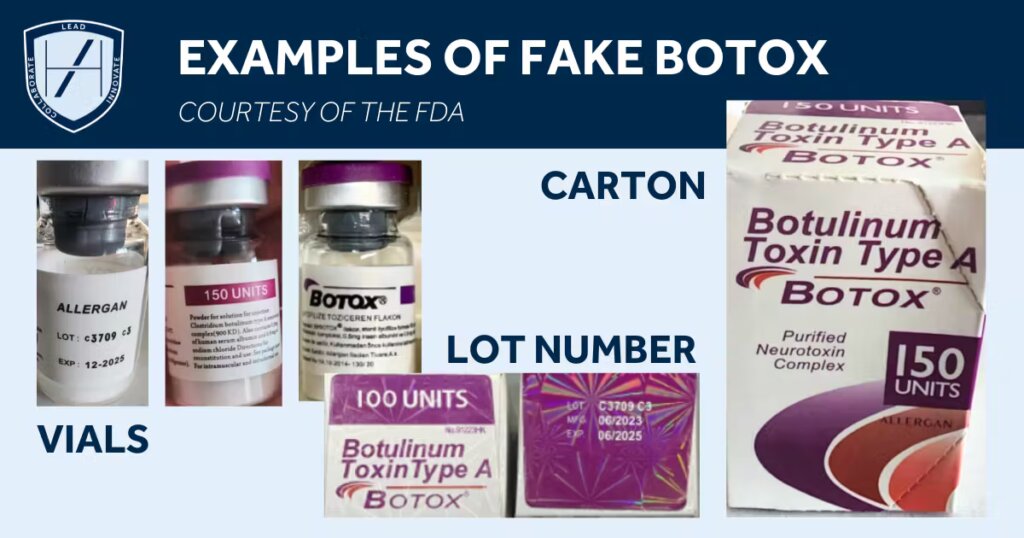
Using such products can lead to severe complications: infections, allergic reactions, necrosis, and even permanent disfigurement. Beyond the physical harm, clinics caught using counterfeit items can face lawsuits, regulatory penalties, and irreversible damage to their professional credibility.
So, how do you spot them and stop them? That is what we will be talking about today.
First, And Foremost: Only Buy From Authorised and Verified Distributors
The reality is that, according to a recent survey of practitioners (members of the American Society for Dermatologic Surgery and the American Society for Laser Medicine and Surgery), 41.1% had encountered counterfeit injectables.
In that same survey, 39.7% of respondents reported they had treated patients who suffered adverse effects from counterfeit injectables.
For medical devices (non‑injectable aesthetic devices), 37.4% of respondents said they had encountered counterfeits, and 20.1% had treated patients with adverse effects from them.
Among those surveyed, more than half reported being solicited to purchase counterfeit injectables, though only around 10% admitted to actually purchasing them (many said they did so unknowingly).
These are serious statistics. So, how to spot and stop counterfeit aesthetic product entering your clinic? The most reliable way to avoid counterfeit products currenlty is to purchase only through authorised distributors or directly from the manufacturer.
Because, every legitimate aesthetic brand has a list of certified distributors available on its official website. This way you will know when something is off, when an unverified distributor makes contact with you with the intent to sell.
So, before buying, be sure to contact the brand directly to confirm that the company or website you are buying from is authorised to sell their products. Also, be wary of third-party marketplaces. Platforms such as eBay, Amazon, or social media sellers are common channels for counterfeit goods.
And most importantly, always ask for documentation such as a purchase invoice, manufacturer certificate, or import documentation to verify authenticity.
Examine Packaging Carefully
Counterfeiters have become sophisticated at copying packaging, but subtle differences still give them away. Before opening a product, carefully inspect:
- Spelling and grammar: Look for typos, unusual fonts, or poor grammar on labels or inserts. Genuine brands maintain strict quality control.
- Logos and holograms: Check that brand logos, embossing, and holographic seals match those found on the manufacturer’s official website.
- Batch numbers and expiry dates: These should be clearly printed, not smudged or stickered over. Contact the manufacturer to verify if the batch code is legitimate.
- Packaging quality : Genuine aesthetic products have precise printing, uniform colouring, and high-quality materials. Flimsy boxes or faded colours are red flags.
If you have a genuine product for comparison, place them side-by-side and check for differences in shade, texture, or labeling.
Verify Security Features And Serial Numbers
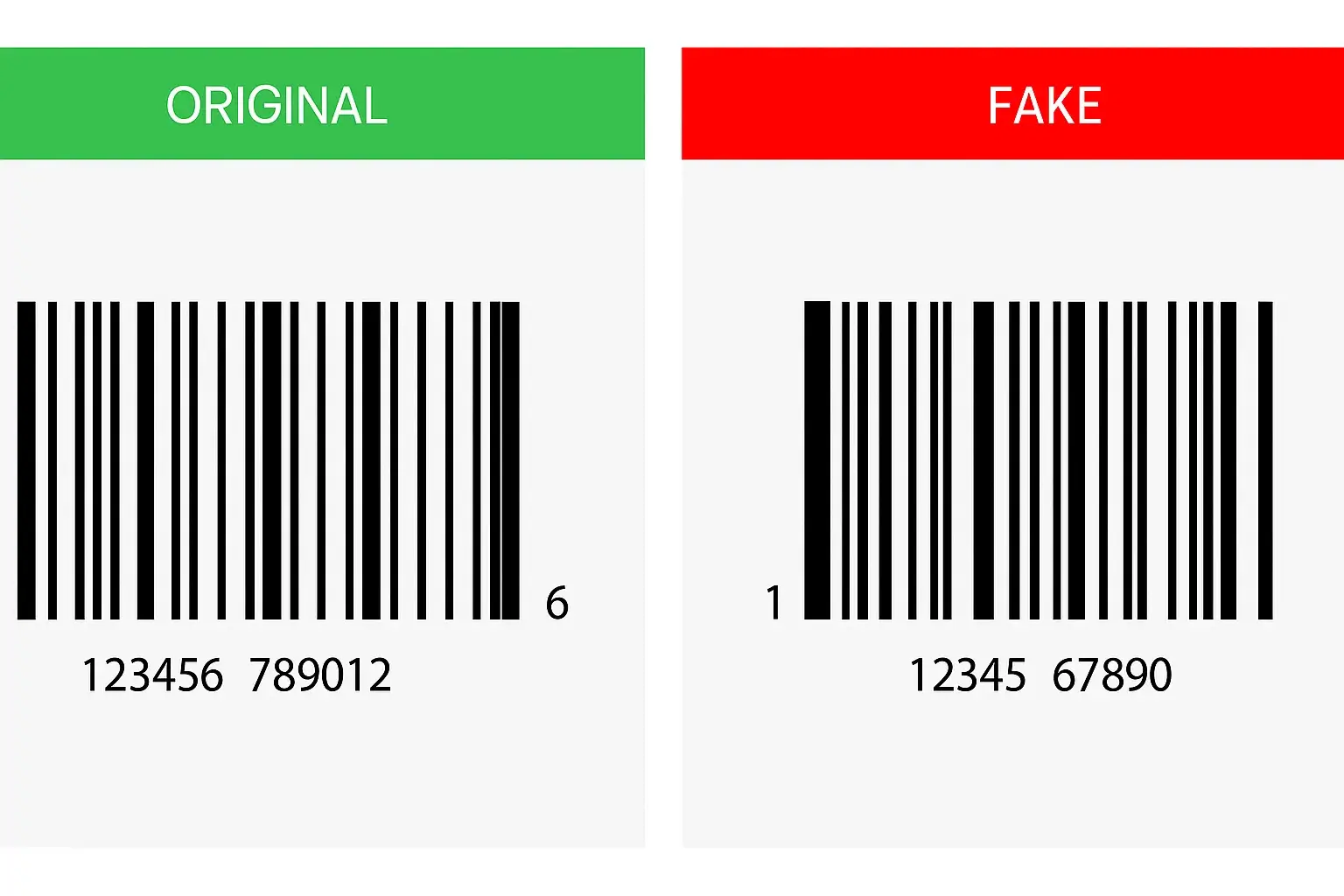
Many reputable brands now include advanced verification features such as QR codes, barcodes, or holographic seals. Always scan the QR code using the manufacturer’s recommended app or website, and verify serial or lot numbers with the supplier or directly with the brand. Keep all packaging and batch details in your clinic’s inventory records for traceability, and regularly cross-check your inventory with invoices to ensure that no unverified stock enters your supply chain.
Watch For Unusual Pricing And Sourcing Patterns
Counterfeiters frequently lure clinics with offers significantly below market rates. For example, if a box of genuine filler typically costs £200, and a seller offers it for £120, it is a red flag.
Also beware of distributors based in countries with weak pharmaceutical regulations or who cannot provide verifiable documentation of origin. Authentic distributors will always provide traceable supply chains and proof of compliance with regulatory authorities (such as the MHRA in the UK or FDA in the USA).
Here Is What We have Learned
The presence of counterfeit beauty and aesthetic products in the marketplace poses a serious threat to patient safety and clinical trust. As a clinic owner or practitioner, your due diligence in sourcing, inspecting, and verifying products is vital.
By buying only from verified distributors, scrutinising packaging and product details, and maintaining robust internal procedures, you can protect your patients (and your clinic’s reputation) from the dangers of counterfeit aesthetics.
If you suspect you have received or used a counterfeit product, take immediate action:
- Stop using the product and isolate it from the rest of your stock.
- Report the issue to the product manufacturer, your supplier, and your local health authority (such as MHRA’s Yellow Card Scheme in the UK).
- Document everything, plus keep photos, packaging, invoices, and correspondence as evidence.
Because reporting helps protect the wider aesthetic community from future risks.
To sum it up, in aesthetics, authenticity is not just about brand prestige, it is about patient safety and professional responsibility.
According to Andy Morling, head of the MHRA’s criminal enforcement unit:
“Some of the beauty parlours are selling them [counterfeit products], not realising that they are selling medicine that could end up giving them a custodial sentence… in both customer and seller, there is a lack of awareness.“
Therefore, we implore you to stay vigilant, stay informed, and to never compromise on quality.
If you have had an experience with counterfeit products recently, please let us know in the comments below, and let’s chat. We would love to hear your story and get your feedback!