

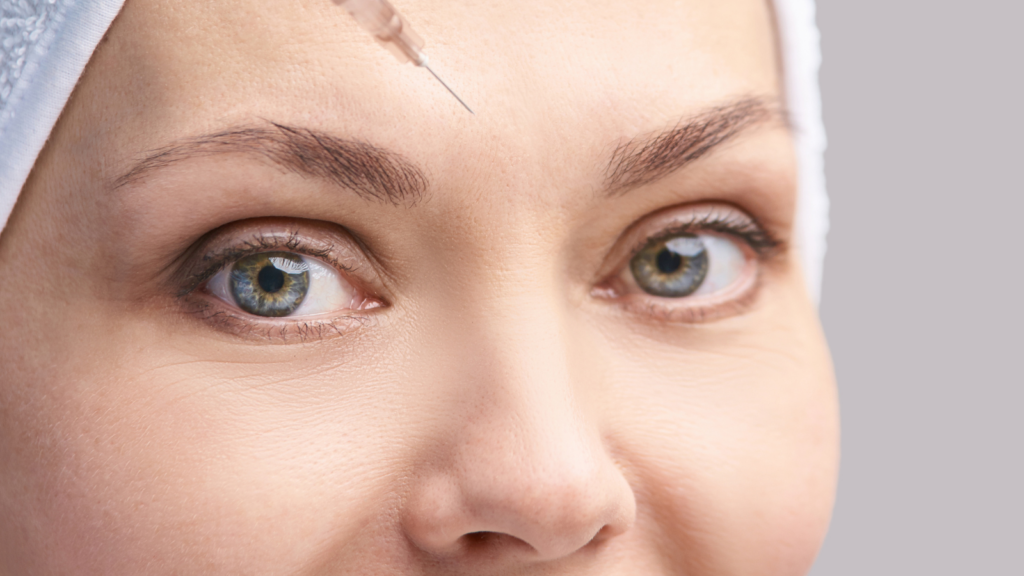
Regenerative injectable treatments are part of a new generation of regenerative aesthetic treatments designed to improve skin quality by stimulating the body’s natural repair processes rather than simply masking the signs of ageing.
Unlike traditional dermal fillers which restore lost volume, these injections encourage collagen production, enhance skin elasticity and improve hydration over time. They are suitable for concerns such as fine lines, dullness, acne scars and skin laxity, and offer gradual, natural-looking results.
As regenerative aesthetics continues to grow in popularity, many patients are choosing regenerative injectable treatments as a minimally invasive option for healthier, firmer and more radiant skin.
We thought we’d explore how this treatment transforms a patient’s skin month by month, from the first week after treatment to peak collagen production.
Here’s a realistic timeline of what happens beneath the skin following regenerative injectable treatment:
Week One: Healing Begins
Healing has to start somewhere and often small beginnings can be the onset of noticeable change. Once you start treatment with regenerative injectable treatments, the first week is less about visible rejuvenation and more about recovery.
Immediately after treatment, you may experience mild swelling, redness or bruising at the injection sites. These effects are generally temporary and usually resolve within a few days.
Because this treatment uses material taken from the patient’s own blood, it delivers a concentrated regenerative substance into specific areas of the face. Instead of working like a traditional filler, it acts as a supportive framework that helps the body repair and renew the skin naturally.
During this first week, inflammatory cells begin clearing microscopic tissue damage created by the injections. While inflammation often has negative associations, a carefully controlled inflammatory response is actually the first step in healthy tissue regeneration. Growth factors released within the treated area signal fibroblasts, the skin’s collagen-producing cells, to become more active.
You should not expect dramatic cosmetic improvement at this stage. In fact, any fullness seen immediately after treatment is often due to temporary swelling rather than long-term results.
Weeks Two to Four: The Regeneration Phase
By the second week, most visible signs of treatment have settled. This is when the biological work truly begins.
Fibroblasts become increasingly active, producing fresh collagen, elastin and other components of the extracellular matrix which give skin its strength, elasticity and resilience. New blood vessel formation may also occur, improving nutrient delivery to treated tissues.
This is when you will notice your skin looking healthier and your friends may comment that you appear well-rested without being able to identify exactly what has changed.
This gradual improvement is one reason regenerative treatments appeal to patients seeking subtle, natural-looking outcomes. Rather than producing an obvious overnight transformation, improvements develop progressively.
Under-eye treatments frequently begin showing early benefits during this phase. Dark circles caused partly by thinning skin may start appearing softer as tissue quality improves, although deeper hollows usually continue improving over subsequent months.
Month Two: Collagen Production Accelerates
Around six to eight weeks after treatment, collagen synthesis is generally well underway. This is the period when you will begin noticing meaningful improvements in skin texture. Fine lines may appear softer, skin often feels firmer, and overall tone may look more even. Areas which previously appeared crepey can begin developing greater elasticity.
Unlike treatments which rely solely on hydration or temporary plumping, regenerative injectable treatments aim to improve the quality of the skin itself. New collagen fibres gradually strengthen the dermis, creating more durable structural support.
Patients sometimes become concerned if improvements appear slow compared with fillers or wrinkle-relaxing injections. However, this slower progression reflects the biology of tissue regeneration. The body simply requires time to build new collagen networks.
Lifestyle choices also become increasingly important during this stage. Smoking, excessive sun exposure, poor nutrition and inadequate sleep can all reduce collagen production and potentially influence treatment outcomes.
Month Three: Peak Results Begin to Appear
By approximately three months, you will reach the stage where the benefits become clearly visible.
Your skin will more than likely appear smoother, firmer and healthier. Fine lines may be reduced, while under-eye areas will more than likely look fresher due to improved tissue quality rather than increased volume alone.
Importantly, results will remain natural because your own tissue will have gradually regenerated instead of being artificially expanded.
Many practitioners consider this the point at which treatment success can be properly evaluated. Clinical photographs taken before treatment and at three months frequently demonstrate changes that patients themselves may not fully appreciate because the improvements have occurred so gradually.
This gradual transformation reflects one of regenerative medicine’s greatest strengths. Rather than looking ‘treated,’ you will simply appear refreshed.
Months Four to Six: Ongoing Maturation
Although collagen production peaks earlier, tissue remodelling continues for several more months.
New collagen fibres mature and reorganise, becoming stronger and more efficiently arranged. The skin may continue showing incremental improvements in firmness, elasticity and overall quality throughout this period.
Patients with mild skin laxity often notice continued tightening, while those treated for delicate areas such as the lower eyelids may experience further refinement.
Because regeneration is an ongoing biological process, improvements frequently plateau rather than suddenly disappearing.
How Long Do Results Last?
Individual longevity varies depending on age, genetics, lifestyle and the area treated. For many patients, results may last between nine and eighteen months, although maintenance schedules differ between individuals.
Patients with more advanced signs of ageing or those seeking correction rather than prevention may benefit from an initial treatment series, followed by maintenance every nine to twelve months.
Treatment plans should always be individualised following assessment by a qualified practitioner, as skin quality, lifestyle factors and aesthetic goals differ considerably between patients.
Perhaps the most important aspect of regenerative injectable treatments is understanding that they reward patience. Unlike traditional aesthetic procedures which offer immediate cosmetic changes, regenerative medicine works with the body’s own biology, and biology cannot be rushed.
The gradual month-by-month improvements may initially seem subtle, but they often produce results which appear exceptionally natural because the skin has genuinely become healthier from within.