

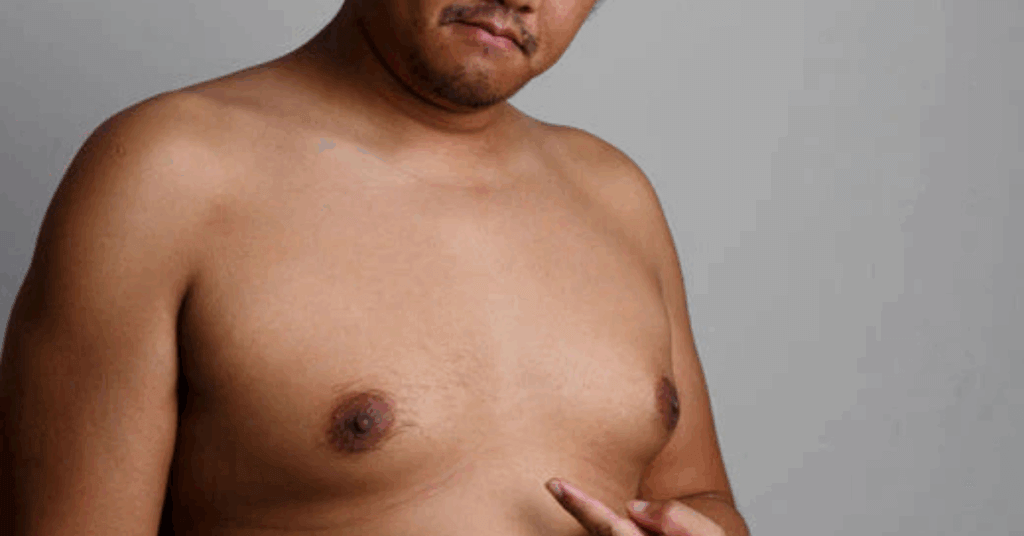
Gynae-coma-what? We hear you, gynaecomastia is a term more used in medical settings. However, for us non-medicals roaming the earth, it basically refers to the more commonly used term “man boobs”.
And the reality is, that 30 to 70% of males will experience this issue at some stage in their life. Plus, according to the International Society of Andrology, about 1 in 2 boys develop gynaecomastia for a while during puberty, and as many as 2 out of 3 men aged over 50 may also have the condition.
So, it is a thing that many men are struggling with. When we look a tad closer to home, one guideline states that among men aged 50 to 69 in the UK, prevalence ranges from 35% to 65%. Another review says the condition is common, with an incidence of more than 30% in adult men.
This begs the question, why do some men have to deal with it and others not, and for those dealing with, what is the solution?
Here Are The Facts
Gynaecomastia is a medical condition, and while often benign, it can cause physical discomfort and emotional distress due to its impact on body image.
The condition typically occurs occurs when there is an imbalance between the hormones oestrogen and testosterone in men. Oestrogen, although typically considered a female hormone, is present in males in smaller amounts and regulates various bodily functions. Testosterone, the primary male hormone, counteracts the effects of oestrogen. When this delicate balance is disrupted, breast tissue can enlarge, leading to the noticeable swelling of the chest area.
Enlarged breast tissue caused by obesity, rather than an internal hormonal imbalance, is known as pseudogynaecomastia, and it is an entirely different thing. Having said that, obesity can most certainly worsen hormone-induced man boobs.

The Main Culprit: Hormonal Imbalances
Although we often associate hormonal imbalances with puberty, the reality is that hormonal fluctuations can occur at various stages of life and due to a variety of factors.
For example, some male infants experience temporary gynaecomastia due to maternal oestrogen passing through the placenta (and this usually resolves within a few weeks after birth). Yes, as mentioned, hormonal fluctuations during adolescence can also lead to temporary breast enlargement in boys. However, in most cases, this resolves spontaneously within six months to two years.
Then, of course, as men age, testosterone levels naturally decline, while relative oestrogen levels remain stable, potentially leading to breast tissue growth.
However, our hormone levels can also be disrupted by our lifestyle choices, dietary habits, and certain medications or drugs. For example, excessive alcohol consumption and some herbal products containing phytoestrogens may contribute to hormonal imbalances. And, of course, certain medications like anti-androgens used to treat prostate conditions, heart medications such as calcium channel blockers, as well as anti-anxiety drugs, antidepressants, and some antibiotics, can wreak havoc on our hormone levels as well.
Last, but not least, diseases that affect hormone production include:
- Liver Disease: Impaired liver function can disrupt hormone balance.
- Kidney Disease: Dialysis patients sometimes develop hormonal imbalances leading to breast enlargement.
- Tumours: Testicular, adrenal, or pituitary tumors can increase estrogen levels.
- Hypogonadism: Conditions that reduce testosterone production may create an environment conducive to breast tissue growth.
| Main Causes | Examples |
| Natural Life Changes | Infancy, Puberty, & Ageing (natural hormone shifts) |
| Medication & Substances | Heart, Anti-Anxiety/Depressants, ProstateDrugs, Alcohol (chemicals interfering with hormone levels) |
| Underlying Illnesses | Liver, Kidney Disease, Hypogonadism (low testosterone) & Tumours (testicular, pituitary, etc.) |
Let’s Talk Treatments
Thanks to modern medicine, you probably do not have to deal with man boobs if you really feel like it is encroaching on your life.
First Up: Non-Surgical
Medications can help restore the hormonal equilibrium; for example, selective oestrogen receptor modulators (SERMs) have been shown to reduce breast tissue size for some individuals. According to recent data, most men treated with SERMs experienced some reduction in breast size (about 74 to 95%), and nearly half to three-quarters of patients saw their breast size shrink by at least half.
Aromatase inhibitors, which work by lowering oestrogen production, are occasionally prescribed for persistent cases, providing another effective option for managing this condition. Studies show that treatment with aromatase inhibitors results in breast size reduction in approximately 36 to 72% of patients.
Not too shabby at all.
Second: Surgical
There are many reasons why people opt for surgery. It is often preferred for persistent or long-standing cases, for those seeking a more immediate and noticeable correction, or to relieve physical discomfort such as tenderness, pain, or irritation. Surgery is also an option when medications prove to be only partially effective.
The latest breakthrough in gynaecomastia surgery is VASER liposuction. Unlike traditional liposuction, VASER uses ultrasonic energy to gently break down fat cells before suctioning them out, allowing for exceptional precision, minimal trauma to surrounding tissue, and virtually invisible scarring.
Of course, a mastectomy, can also remove glandular breast tissue.

What This Means For You
If you are dealing with enlarged breast tissue, remember, you are not alone, and early diagnosis, understanding the underlying cause, and selecting an appropriate treatment are key to managing this condition effectively.
Whether it is through managing your weight, exercising regularly, and avoiding substances that interfere with hormone balance to reduce the severity of gynaecomastia or prevent its progression, or through surgery and hormone-correcting medication to combat it, there are effective options available.
Look at it this way, with proper care and modern medicine, most men can achieve both physical relief and improved quality of life. You can potentially be one of them. Talk to a qualified medical professional who specialises in men’s health, or a surgeon who specialises in treating the condition surgically, to get clarity on the path forward.