


In a world obsessed with physical perfection, body modification has evolved far beyond tattoos and piercings. From surgical procedures designed to sculpt “ideal” figures to non-surgical enhancements promising transformation without the knife, people are pushing the limits of what the human body can endure.
Some of these modifications are driven by beauty standards amplified on social media, while others stem from a deep desire for self-expression.
But when is too far, too far, and why are so many people prepared to risk their health and possible disfigurement in pursuit of the perfect look? Let’s talk about it.
1. Brazilian Butt Lifts (BBLs)
Few cosmetic surgeries have made as many headlines in recent years as the Brazilian Butt Lift. Popularised by celebrities and influencers, the BBL involves liposuction, removing fat from areas like the abdomen or thighs, and injecting that fat into the buttocks to create a fuller, more lifted shape.
It is also considered to be one of the most dangerous cosmetic surgeries in the world. According to medical studies, some estimates cite one death per 3,000 procedures. The reason for these alarming statistics is that fat can sometimes be accidentally injected into large veins, leading to a fat embolism. Other risks include infection, fat necrosis, asymmetry, and lifelong pain.
However, the surgical BBL also has a cousin, known as the non-surgical BBL (or liquid BBL). And it carries its own set of risks if not done by a highly skilled medical professional. The procedure involves injecting filler into the buttocks to add volume. But, if filler is accidentally injected into or near a blood vessel, it can travel through the bloodstream and block circulation to the lungs, heart, or brain, causing a pulmonary embolism, stroke, or even death.
2. Rib Removal
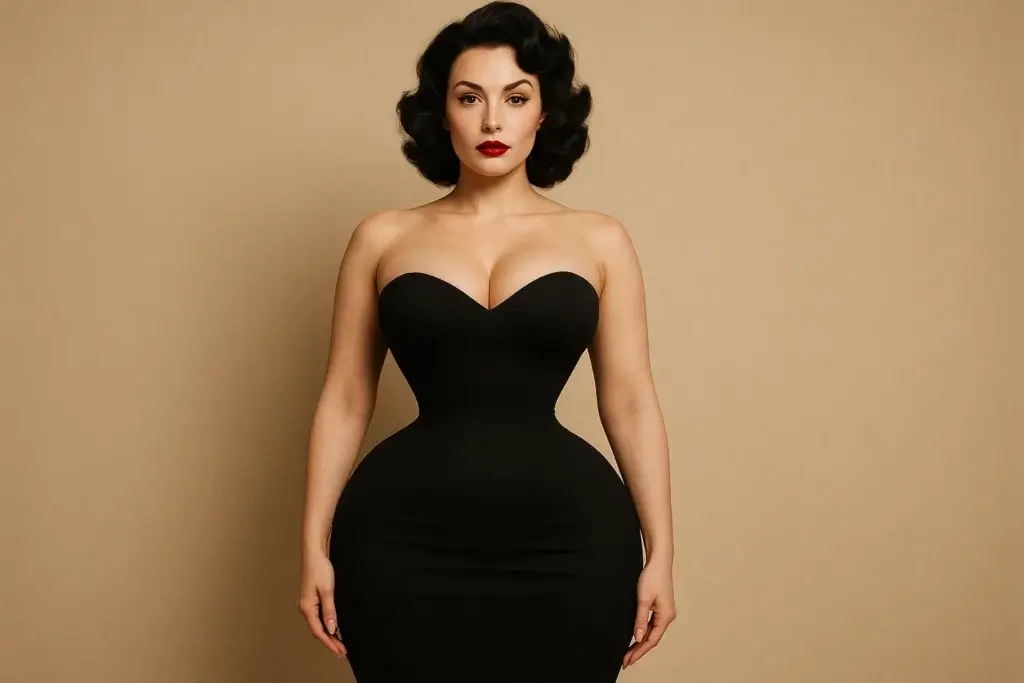
Perhaps one of the most controversial procedures, rib removal (or thoracic contouring). It involves surgically removing one or more of the lower “floating” ribs to achieve an extreme hourglass figure, mimicking the silhouette of cartoon-like proportions.
It is important to note that this is not a surgery offered by many qualified surgeons, due to its high risk and ethical concerns, and often requires extensive recovery. Complications can include organ damage, chronic pain, infection, and breathing difficulties, since the removed ribs play a role in protecting vital organs like the kidneys and lungs.
Celebrities who have had rib removal surgery include Rodrigo Alves (known as Human Ken Doll) who had 4 floating ribs removed, and Emily James, who had 6 floating ribs removed to achieve a slimmer waist.
3. Scarification
Beyond surgical procedures, extreme non-surgical modifications like scarification represent another form of self-expression that pushes boundaries, especially in Western culture. The procedure involves etching or burning designs into the skin to create raised scars that form patterns or symbols.
Even though in some regions, such as sub-Saharan Africa, scarification has been a traditional practice, its prevalence has declined in certain areas due to health concerns. The process carries risks of infection, allergic reactions, keloid scarring, and nerve damage. Plus, it is permanent.
4. Implants And Subdermal Modifications
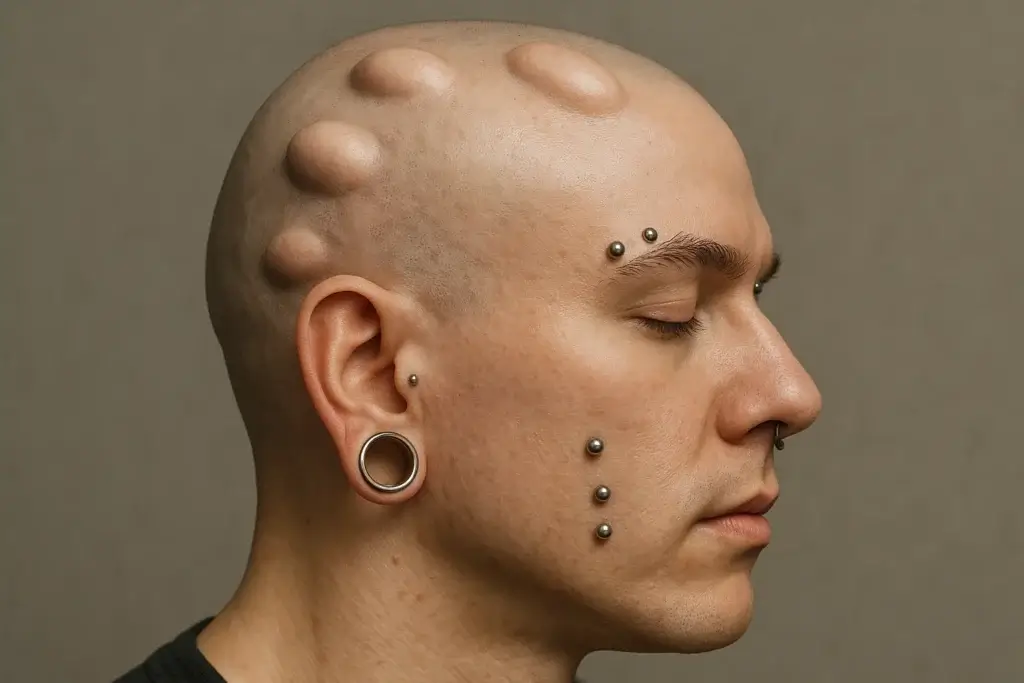
Some individuals take modification even further with subdermal implants, where silicone or metal shapes are inserted beneath the skin to create 3D designs, such as horns, ridges, or geometric patterns. Others undergo tongue splitting (Bifurcation) or ear pointing (Elf Ear Surgery) to mimic animalistic or fantasy-inspired appearances.
These procedures often occur outside medical environments, performed by body modification artists rather than licensed surgeons. The risks include severe infection, tissue rejection, nerve damage, and disfigurement. Once healed, reversal is difficult or impossible.
5. “Cat Man” Modifications
The purpose is to resemble a feline or other animal, and required multiple surgeries, including cheek implants, fanged teeth, ear modifications, and whisker-like piercings.
The most famous celebrity who underwent extensive body modifications to resemble a tiger is Dennis Avner, also known as “Stalking Cat”. And even though his transformation made him a media sensation, the reality is that the risks are many.
They include disfigurement, chronic pain, and infection.
Informed Decisions Over Extreme Transformations
While body modification can be an art form and a mode of self-expression, the trend toward ever-more extreme alterations blurs the line between empowerment and endangerment.
Surgical and non-surgical procedures alike carry real, often permanent risks that deserve careful consideration.
Therefore, experts urge anyone considering drastic modification to always consult board-certified professionals, research thoroughly, and reflect on motivations before undergoing any irreversible change.