

As nations come together on football’s biggest stage for the FIFA World Cup, again our attention is drawn to the many cultures around the world.
I was among the multitudes watching the opening ceremony of the World Cup… sadly, not in Mexico but in my own living room in South Africa. My family was kitted out in ‘Proudly South African’ gear, cheering on our boys as they made their way onto the field with coach Ronwen Williams. South Africa has a lot of things to be proud of in so far as sports is concerned. Sports fans blow on plastic trumpets, named ‘Vuvuzelas’, at matches. Vuvuzelas earned international acclaim when the FIFA World Cup was hosted in our nation in 2010. These are impressive, especially when many of them are blown in unison. Blown together in a stadium, they make the sound of a swarm of humming, expectant bees.
It’s these unique cultural nuances which each one of us loves about our own country. Your country more than likely has things about it which no other nation can lay claim to.
This experience of watching the opening ceremony of the World Cup made me wonder how unique cultural influences extend into the world of aesthetics and beauty. Beauty standards are often discussed as though they are universal. Much of the conversation surrounding social media, cosmetic procedures, and aesthetic ideals is dominated by Western perspectives, particularly those emerging from the United States and Europe.
However, beauty and aesthetics has never been a single, global concept. Across cultures, ideas of attractiveness have been shaped by history, religion, geography, social values, and cultural identity. Different countries and regions value different treatments and emphasise different features. Understanding these differences is essential for aesthetic practitioners who increasingly serve diverse patient populations.
Here’s what I found out about the beauty and aesthetic ideals across Asia, Africa, the Middle East, Latin America, and beyond:
Asian Beauty Standards: Harmony, Refinement, And Youthfulness
Across many Asian countries, beauty is often associated with harmony, balance, and youthful features. While standards vary between countries such as South Korea, Japan, China, and Thailand, common preferences include smooth skin, facial symmetry, a delicate jawline, and a youthful appearance.
The influence of Korean popular culture has significantly shaped modern beauty ideals throughout Asia. The popularity of K-pop stars and Korean actors has contributed to increased interest in treatments which create softer, more refined facial contours.
Fair skin has historically been associated with status and refinement in several Asian cultures, although attitudes toward skin tone continue to evolve. An example of a treatment reflecting this ideal is the glass skin treatment. For this, patients seek radiant, poreless, and intensely hydrated skin which reflects the youthful, flawless complexion often associated with contemporary Asian beauty ideals
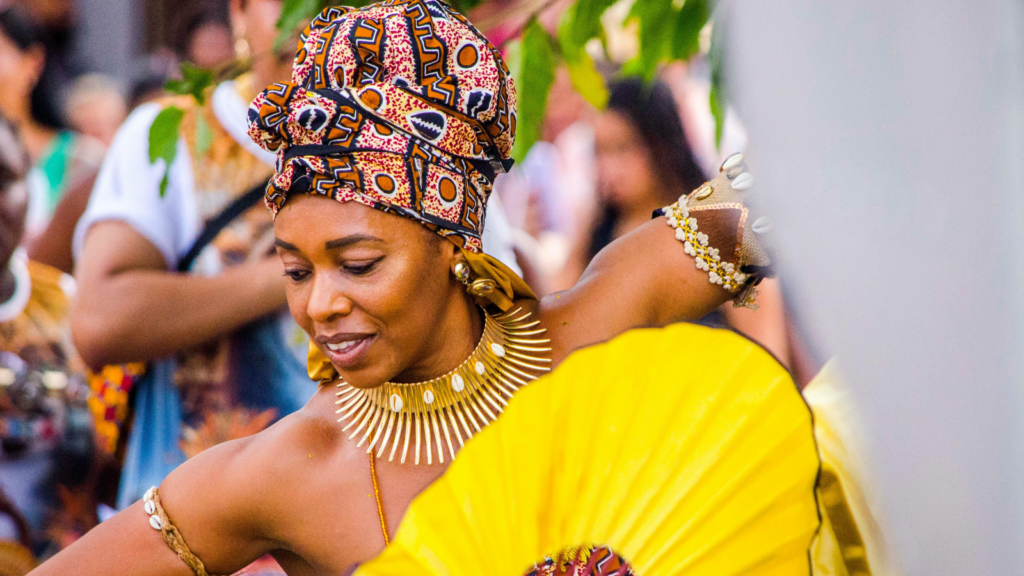
African Beauty Standards: Celebrating Strength, Identity, And Diversity
African beauty standards are incredibly diverse, reflecting the continent’s rich cultural, ethnic, and historical variety. However, many African cultures have traditionally celebrated features such as fuller body shapes, strong facial characteristics, healthy skin, and natural hair textures.
In many regions, beauty has historically been connected not only to physical appearance but also to vitality, confidence, and social status. While globalisation has introduced Western beauty ideals into many African countries, there has also been a growing movement embracing natural beauty and cultural authenticity.
For example, skin health remains a major aesthetic concern among many African patients. Treatments frequently focus on addressing hyperpigmentation, uneven skin tone, acne scarring, and sun-related skin concerns, rather than altering facial features to fit imported ideals.
An example would be a patient seeking treatment for post-inflammatory hyperpigmentation. Rather than pursuing dramatic facial modification, the aesthetic goal may involve improving skin clarity through chemical peels. The idea is to preserve natural beauty while enhancing skin health.
Middle Eastern Beauty Standards: Elegance, Definition, And Facial Balance
Beauty ideals throughout the Middle East often emphasise elegance, refinement, and facial definition. Prominent eyes, well-defined eyebrows, balanced facial proportions, and smooth skin are frequently regarded as attractive features.
The eyes hold particular cultural significance in many Middle Eastern societies. Even where conservative dress practices are common, the eyes remain a highly visible aspect of facial expression and beauty. As a result, treatments that enhance the eye area have become especially popular.
A common example is eyebrow shaping and enhancement. Patients may seek treatments such as brow lifting using neuromodulators or subtle dermal filler placement to create a more defined yet natural appearance. The objective is often to highlight existing features rather than dramatically change them.
The emphasis often remains on balance and refinement rather than conspicuous alteration.
Latin American Beauty Ideals: Curves, Confidence, And Feminine Expression
Latin American beauty standards frequently celebrate femininity, confidence, and body contour. Across countries such as Brazil, Colombia, Mexico, and Venezuela, aesthetic ideals often place strong emphasis on proportion, body shape, and overall presentation.
Beauty culture in many Latin American societies is deeply integrated into daily life. Personal grooming, skincare, and aesthetic enhancement are often viewed as forms of self-care rather than vanity.
One of the most recognisable examples is the popularity of body contouring procedures. Patients may seek treatments designed to enhance natural curves while maintaining proportional balance. Non-surgical body sculpting technologies and surgical body contouring procedures have become particularly common throughout the region.
For example, a patient may pursue non-invasive body contouring treatments to improve waist definition and body proportions. Rather than aiming for extreme thinness, the desired outcome is often a balanced silhouette that highlights natural curves while preserving an athletic and healthy appearance.
The Globalisation Of Beauty Trends
Globalisation has created both opportunities and challenges. On one hand, patients have greater access to information, treatments, and diverse representations of beauty. On the other hand, global trends can sometimes overlook cultural individuality.
Perhaps the future of aesthetics lies in celebrating the remarkable diversity of beauty which exists across cultures, while helping patients achieve goals which feel authentic to who they are.