

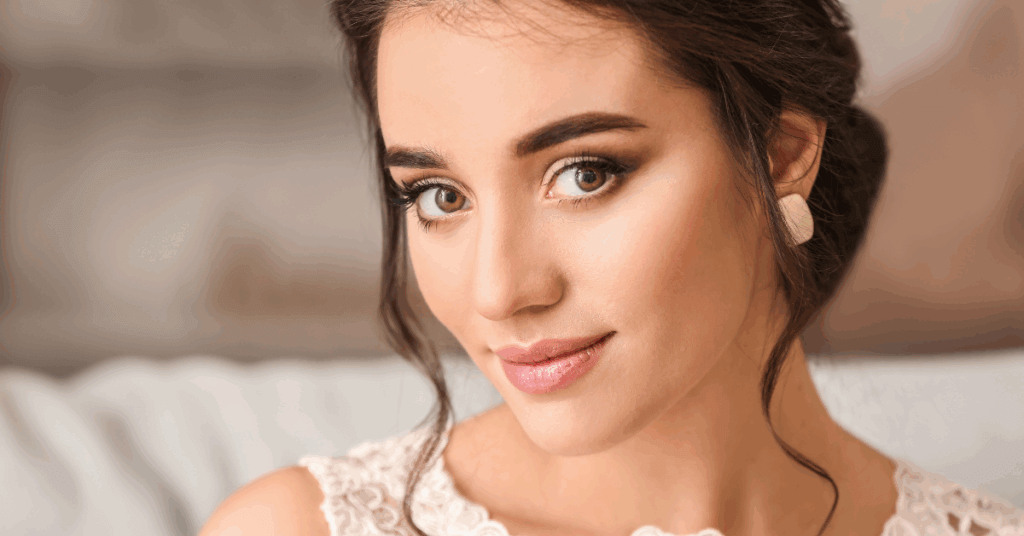
The relationship between hormones and beauty is an important one. “Changes in hormonal levels, whether due to age, lifestyle, or health conditions, can affect physical, emotional, and mental health,” says an article on Medicalresearch.com
Hormone health is at the centre of skin and hair health, and can even impact a person’s overall glow.
When I was diagnosed with an autoimmune condition affecting my thyroid hormone levels last year, I hadn’t realised that so many of the external symptoms I was experiencing were linked to my TSH levels. Even the dryness of my heels was linked to TSH levels. As my thyroid hormone levels improved, my heels became physically softer.
I would never have put a symptom like dry heels down to internal factors. However, I have come to realise how marvellously connected the systems of our body are, and how we show forth our internal reality in our external appearance.
“Understanding the role of key hormones and their impact on the body can empower women to take a proactive approach to their wellness,” continued Medicalresearch.com
Women are increasingly becoming aware that what’s happening internally can have a profound impact on how they look and feel. After starting estrogen and progesterone during perimenopause, American actress and comedian Amy Schumer reported striking improvements: “My hair is fuller, my skin is better.”
Looking after our hormone levels has a direct bearing on our appearance!
When our delicate hormonal systems fall out of balance, the signs often appear externally. We can experience persistent adult acne, hair thinning, dry or patchy skin, puffiness, brittle nails, or unexpected changes in fat distribution.
In the past, such symptoms were treated with a surface-level approach. However, many women are now moving past generic skincare and seeking answers rooted in biochemistry. I could have continued to put moisturiser on my dry heels, without ever realising that there was a problem which required deeper intervention. However, knowledge that my TSH levels were too high, provided the information needed to get to the root of the problem.
Aesthetic doctor Dr Nyla Raja explains that many of her patients who come in for cosmetic concerns are actually dealing with hormonal issues. “The truth is, no facial or filler can compensate for imbalanced oestrogen or low thyroid levels,” she says. “We have to look deeper.”
The latest developments in diagnostic technology have made it easy to test hormone levels through simple blood work. Knowing what is happening internally can allow practitioners to tailor both aesthetic and health-related treatments accordingly.
Across London, clinics such as City Walk-in Clinic and Harley Street Health Centre are offering advanced hormone testing services which connect the dots between internal imbalances and aesthetic concerns.
Harley Street Health Centre offers services which help women test their levels of oestrogen, testosterone, progesterone, thyroid hormones, and cortisol. Each of these hormones plays a crucial role in maintaining youthful skin, healthy hair, and emotional equilibrium. The clinic’s hormonal tests are done quickly in the clinic setting with results available in a matter of days.
City Walk-in Clinic, London, provides hormone testing services which cater for a wide range of needs. The clinic’s tests can assess general hormone health and adrenal function. Menopause and PCOS screenings are also offered. These services appeal to a broad demographic, particularly younger women who are beginning to notice changes in their skin or body that don’t seem to respond to over-the-counter solutions.
The value of these tests lies in their ability to impact beauty and aesthetics treatments. Here are some common beauty concerns which can be impacted by hormones:
Hormonal Acne
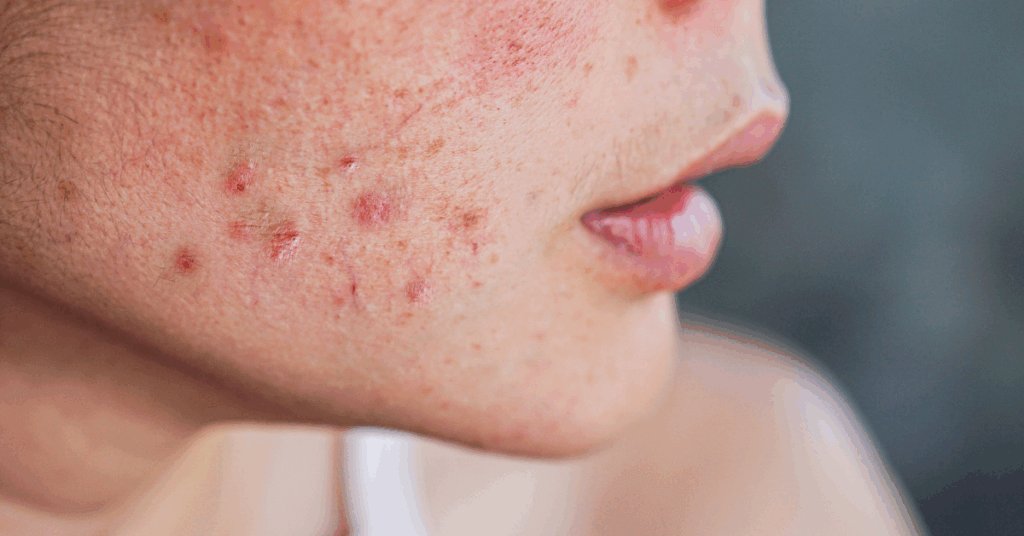
Many women struggle with breakouts which appear along the jawline and chin, particularly before menstruation. A hormone panel might reveal elevated androgen, such as testosterone. These hormones can stimulate oil production and clog pores.
With this knowledge, a practitioner can recommend a combination of dietary changes, targeted supplements, prescription treatments, such as spironolactone or hormonal contraceptives, and supportive skin treatments, like LED therapy or microneedling.
Dull Skin/Premature Ageing
Dull skin can also be a sign of hormonal imbalances, as can premature sagging. Low oestrogen or thyroid dysfunction might be the culprit of these conditions. Addressing the root cause can significantly improve the results of popular skin rejuvenation treatments.
Hair Thinning
Hair thinning is a concern many women attribute to ageing or genetics. This can often be traced back to hormonal changes. Both Harley Street Health Centre and City Walk-in Clinic offer comprehensive approaches to hair thinning. This may include nutritional support, topical products, and in some cases, medical treatments, such as minoxidil or PRP scalp therapy.
This evolving attitude toward beauty and hormone health reflects a broader cultural shift. Women are seeking more than quick fixes. They want data, understanding, and sustainable strategies which support long-term well-being.
Platforms like TikTok and Instagram are full of women documenting their hormone journeys with hashtags like #hormonehealth and #glowupfromwithin. Influencers and experts alike are helping to normalise discussions around hormone testing.
One such woman is Amelia, a 29-year-old bride-to-be living in London. After struggling with breakouts for years, she visited Walk-in Clinic. She discovered that her symptoms were linked to mild PCOS and elevated testosterone levels. “It was empowering to understand the ‘why,’” she says. “It changed how I saw myself and my beauty routine.”