


If you have been thinking of cutting a pound, two or seven out of your life, liposuction probably came to mind. And why would it not? Liposuction has been around for decades! Putting smiles and diles by removing unwanted fat from our bodies and lives.
In fact, the concept of removing fat surgically dates back to 1921, when French surgeon Dr Charles Dujarier attempted body contouring on a dancer’s knees and calves. By the 1990s, liposuction became one of the most requested cosmetic procedures worldwide. And today, liposuction is one of the most common cosmetic procedures around the globe!
To put it into perspective, according to the International Society of Aesthetic Plastic Surgery (ISAPS), more than 2.2 million liposuction procedures were carried out worldwide in 2023. Plus, approximately 2 million people undergo liposuction EACH YEAR.
But, full circling back, if you have been thinking about getting lip surgery, join us as we discuss the ins and outs, and the pros and the cons, to help keep you informed.
What Is Liposuction?
Yes, what is liposuction? Because when most of us hear the term, we think about fat being removed from our bodies in as easy as one, two, three. And be that as it may, what does the actual process entail?
So, in short, liposuction is a surgical procedure that breaks up fat. A plastic surgeon uses a thin tube called a cannula, which is inserted through small incisions in the skin. The cannula is connected to a vacuum device that suctions out the fat. Even though liposuction is strongly associated with weight loss, it is important to bear in mind that it is not a weight-loss method per se. It is used to help people who have REALLY been struggling to shake the weight.
If we take into consideration that around 64% of adults in the UK are either overweight or obese, and over 42% of adults in the US are obese, it’s no surprise that liposuction remains a popular cosmetic treatment. In 2021, out of approximately 15,000 cosmetic surgical procedures, around 1,275 were liposuction procedures. This treatment removes fat using a thin tube called a cannula, which is inserted under the skin. As mentioned, it is currently one of the most common cosmetic procedures in both the United States and the United Kingdom. In fact, the UK saw a 41% increase in the number of liposuction procedures in 2013 compared to 2012 — a significant jump. More recently, statistics from the British Association of Aesthetic Plastic Surgeons (BAAPS) reported that roughly 25,972 surgical procedures were performed in 2023, with liposuction ranking among the most common.
Studies suggest that 80 to 90% of people who lose weight regain it within 5 years, highlighting just how difficult sustained weight loss can be.
There you have it. Let’s continue.
Types Of Liposuction
Yes, you read that right. Liposuction is by no means a one-size-fits-all procedure. It differs depending on how much liquid is used in the procedure and if additional technology is used. Tumescent, Wet, Super-Wet, and Dry Liposuction all vary in the amount of liquids used. You also get VASER lipo, a less invasive but equally transformative ultrasonic liposuction alternative designed to help you achieve the body of your dreams. You can also opt for 360 lipo, a liposuction technique that targets fat from the flanks, stomach, and lower back, treating the entire circumference of the midsection for all-around results.
Body Concerns That Liposuction Can Help Address
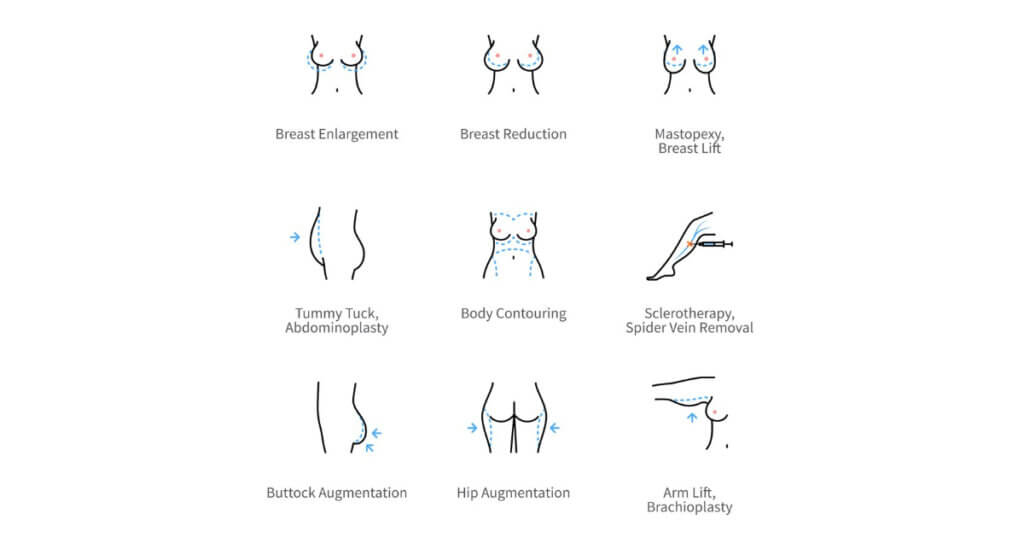
Liposuction is typically used to treat several medical conditions. Benign fatty tumours, called Lipomas, and fatty breast tissues that accumulate under men’s nipples may be reduced to removed through liposuction.
People suffering from Lipodystrophy Syndrome and Lymphedema may find some relief from symptoms through liposuction. After extreme weight loss, excess skin and other abnormalities may be treated with liposuction.
When it comes to treatment areas, the list is virtually endless. These include upper and lower belly fat, love handles (flanks), inner thighs, outer thighs (saddlebags), and the front and back of the thighs. Other common areas are the upper back (bra bulge), mid-back and lower back fat rolls, upper arms (to create a leaner, more sculpted look), the double chin, and the jawline for improved definition.
Lipo can also help smooth out the silhouette and reduce fullness in the hip area, and can also be combined with fat transfer procedures (e.g., Brazilian Butt Lift).
Let’s Talk About The Pros
The most pronounced benefit of liposuction is that fat cells are permanently removed from the body. For those who have stable body weight but just a few areas where fat deposits stubbornly remain, this may be an ideal way to contour the body.
The amount of fat that can be removed at one time is limited, and people who have more elastic skin and a healthier lifestyle will benefit more greatly from the procedure.
A Quick Look At Some Of The Cons
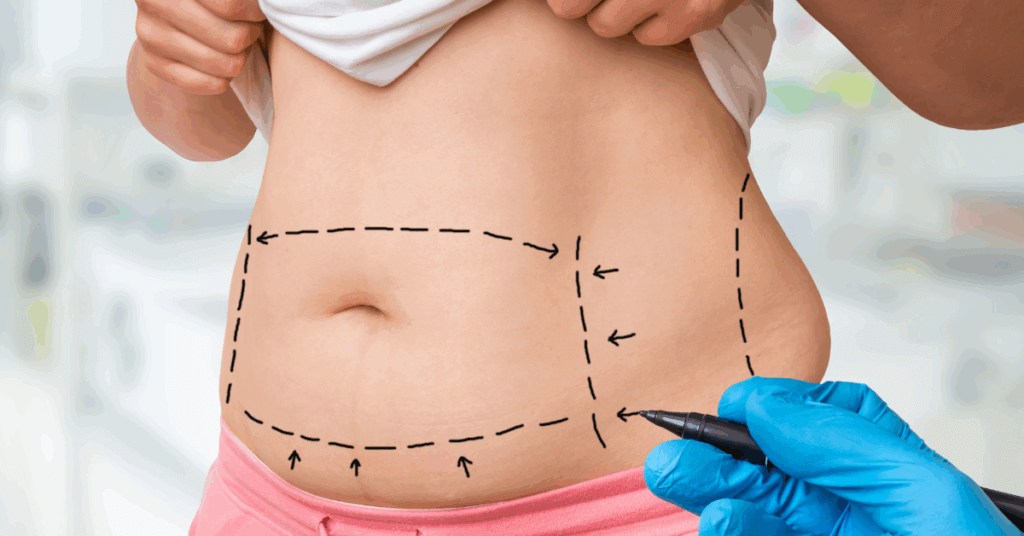
The list of reasons why liposuction may not be beneficial is long. Primarily, it is not a method to control weight or treat obesity. It does not remove cellulite, dimples or stretch marks; in fact the effect is somewhat subtle. During surgery, there are a number of risks, such as allergies to the anaesthesia, and the change in body fluids may cause heart or kidney problems.
During surgery, other organs may be affected by accidental punctures. Experts say that the severity and number of complications experienced are closely related to the amount of fat removed.
After surgery, complications may include infection, numbness, bruising and scarring. If too much fat is removed, there may be dents and lumpiness in the skin. Areas that are numb usually return to normal after a few months. As with nearly every surgery, there is a risk of clots or embolisms.
Results may not be fully evident for several months. Surgery does not remove all the fat cells; the remaining fat cells may grow larger.
Consult with your general practitioner to determine your state of health. People with high blood pressure, circulation problems, diabetes or weakened immune systems should not undergo liposuction surgery. Also, discuss the issues involving age, skin elasticity, prescription medication and recreational drug or alcohol consumption before scheduling surgery.
Summing It All Up


1 Comment
Been finding it hard to get rid of love handles, may be worth a try