
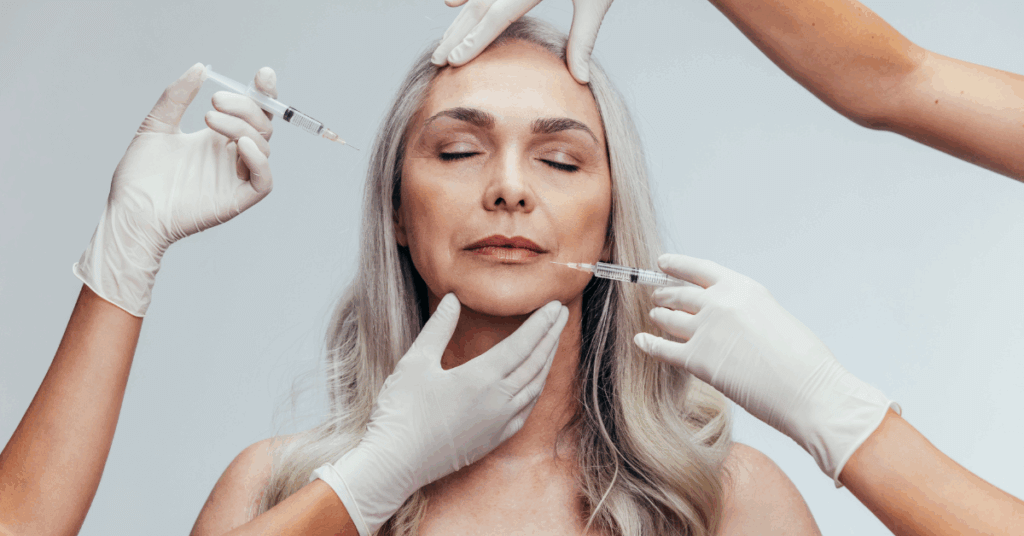
The aesthetics industry in the UK has exploded over the past decade. From dermal fillers to chemical peels and Botox injections, the demand for non-surgical cosmetic treatments has soared. And with all that soaring demand, it can feel like every hair salon, nail salon, and doctor’s office offers some form of aesthetic treatment.
Of course, some may be highly unqualified and others highly qualified, but the real question is: who is allowed to do what in order to ensure patient safety? Because, truth be told, the landscape can seem like a grey area, with “injectors,” “skin specialists,” “aesthetic practitioners,” and “beauticians” all offering overlapping services.
Here are some stats to get the ball rolling. In the Government’s consultation on licensing non-surgical cosmetic procedures in England, of those working as practitioners providing non-surgical treatments, 43% of respondents said they did not have relevant qualifications specific to working in the non-surgical cosmetics sector.
So, what are the legal and professional boundaries? Let’s break down exactly what each type of practitioner can and cannot do under current UK law. Keep in mind, however, that the rules and regulations are set to change in 2026.
Injectors
Let’s begin with injectors, a term widely used in the aesthetics world. It can refer to professionals from very different backgrounds, from nurses and dentists to, increasingly, non-medical practitioners who have completed aesthetic training courses.
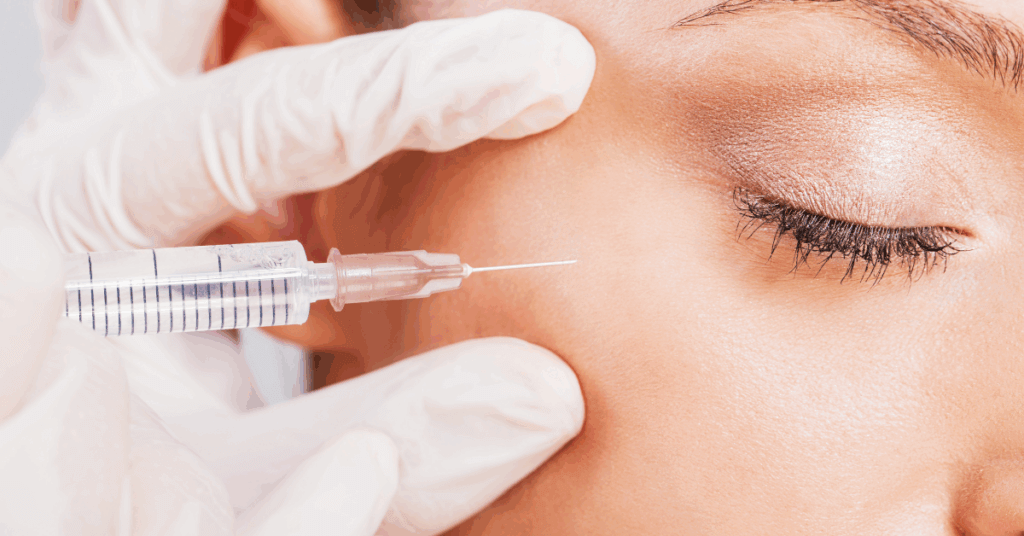
To qualify as an injector in the UK, you must first be a registered medical professional, i.e. a doctor (MBBS, MBChB), dentist (BDS, DDS), or nurse (registered nurse or equivalent). You then need to complete specialised aesthetic training. The Level 7 Diploma in Aesthetic Medicine is widely regarded as the industry gold standard. While there are currently no legal minimum requirements to practise cosmetic injections, achieving a Level 7 qualification is strongly recommended for comprehensive training, competence, and professional recognition.
Injectors can also perform chemical peels (depending on strength and risk), microneedling, mesotherapy (if trained and insured), and a variety of other injectable treatments. But credentials matter, so be sure to always always always check who is performing your procedure. Because, the stakes are real.
Beauticians/Skincare Specialists
Beauticians often form the backbone of the beauty industry, as they are trained to make you look beautiful, feel rejuvenated, and ready to flash those gorgeous new locks, nails and spa-treated skin. However, they are not trained to make you look years longer. Meaning, non-medical professionals cannot legally inject Botox or dermal fillers, or carry out invasive procedures involving the deeper layers of the skin. They can help you feel refreshed through facials, microdermabrasion, superficial chemical peels, low-level LED therapy, hair removal (waxing, threading), makeup application, eyelash extensions and eyebrow shaping, and skincare consultations, but not medical-grade injectables.
Furthermore, they cannot diagnose or treat medical skin conditions such as acne, rosacea, or eczema, as these remain the domain of dermatologists and doctors.
Becoming a beautician in the UK does not require a formal medical degree, but it does require vocational training, professional qualifications, and sometimes licencing, depending on the services offered. Common qualifications include:
- City & Guilds /VTCT Certificates: recognised professional certifications for beauty therapy skills.
- Level 2/Level 3 Diploma In Beauty Therapy: foundational courses covering facials, waxing, nail care, and basic skincare.
- Level 3 NVQ Diploma In Beauty Therapy: advanced training, often required to work in salons or spas.
In other words, having your friend give you a chemical peel just because she’s passionate about beauty (but not formally qualified) is not a good idea. Qualifications matter!
Doctors
Doctors occupy the top tier of aesthetic practice in terms of both training and responsibility. Their medical education, combined with the ability to diagnose, prescribe, and manage complications, makes them central to safe cosmetic medicine. They can also legally perform all aesthetic procedures (provided they have the appropriate additional training), because a GP without specialised aesthetic training should not administer injectables or perform procedures without completing the relevant postgraduate courses and certifications.
But all in all, qualified doctors can offer treatments such as Botox, dermal fillers, chemical peels, laser therapies, and, for those with surgical training, minor surgical procedures, you name it. They are also equipped to assess patient suitability, manage potential complications, and provide comprehensive aftercare.
Plastic Surgeons
Plastic surgeons are medical doctors who have completed advanced training in reconstructive and cosmetic surgery. Their role is distinct from that of non-surgical aesthetic practitioners, focusing primarily on procedures that require anaesthesia and operating theatres.
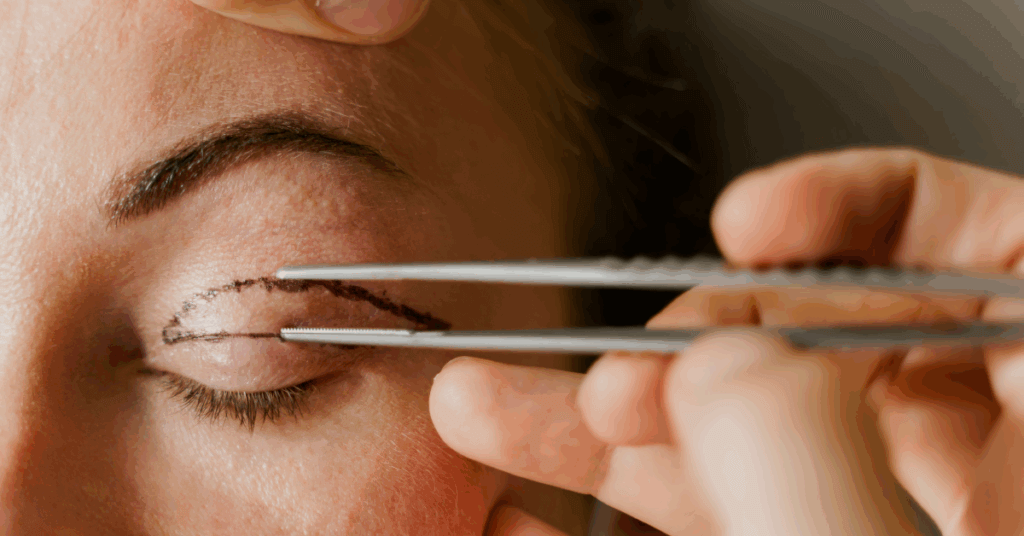
Plastic surgeons can perform invasive surgical procedures such as breast augmentation, liposuction, facelifts, tummy tucks, eyelid surgery, and rhinoplasty. They can also offer non-surgical treatments like Botox and fillers. Their expertise in anatomy, tissue repair, and post-surgical care positions them as the highest-qualified practitioners in the field of physical enhancement.
While there are few procedures plastic surgeons cannot perform within their specialty, they are still bound by ethical and legal restrictions. They must work within regulated medical environments, obtain full informed consent, and follow strict clinical governance.
Here Is What You Need To Remember
Knowledge is power, and by knowing who to trust with what type of treatment helps you steer clear of dangerous situations like infection (or worse). Here is a quick summary on what we have learned:
| Practitioner Type | Key Allowed Procedures/Scope | Training & Legal Standing |
| Injectors | Botox, Dermal Fillers, Chemical Peels, Microneedling, Mesotherapy. | A registered medical professional with specialised training (e.g., Level 7 Diploma). |
| Beauticians/Skincare Specialists | Non-invasive: Facials, Microdermabrasion, Superficial Chemical Peels, Waxing, Makeup, Skincare Consultations. | Vocational training (e.g., NVQ/Diploma Level 2/3). Cannot legally inject Botox/Fillers or treat medical skin conditions. |
| Doctors | All aesthetic procedures (non-surgical and minor surgical, with training), diagnosis, prescription, and complication management. | Medical degree and relevant aesthetic training. |
| Plastic Surgeons | Invasive surgical procedures (e.g., facelifts, liposuction) and non-surgical treatments. | Advanced medical training focused on reconstructive and cosmetic surgery. |