
In the UK, there has been a public outcry on the number of aesthetic treatments performed by unqualified professionals over the years. Some of these procedures led to disfigurement, and even death.
Not to be all doom and gloom, but the reality is:
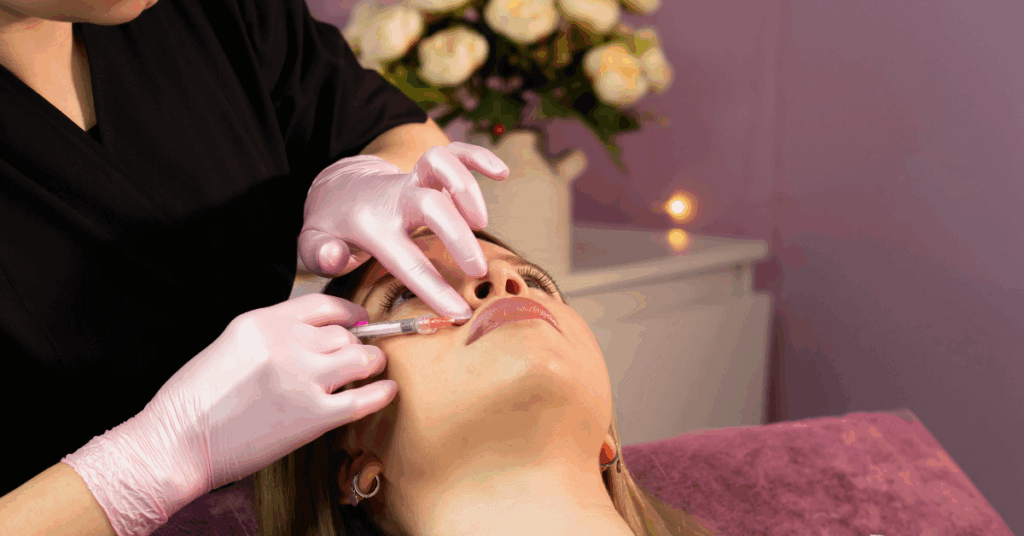
In 2017, there were 931 reported incidents from procedures like Botox and lip fillers in the UK. Disturbingly, 83% of these procedures were carried out by non-medical professionals. According to Save Face, a government-approved register of accredited practitioners, there were nearly 3,000 complaints in 2022. Of these, over two-thirds were related to dermal fillers, and nearly a quarter concerned Botox treatments.
Non-surgical BBLs, often performed using dermal fillers, have been associated with severe complications. It is a highly-risky procedure and often discouraged by medical professionals. Sasha Dean, a 54-year-old woman, fell into a coma with sepsis and organ failure after undergoing a botched liquid BBL. She was given a 5% chance of survival and spent over a month in the hospital. Despite surviving, she continues to suffer from lasting health issues. Louise Moller, 27, contracted sepsis following a non-surgical BBL performed by a non-medical practitioner. She required surgery to remove infected tissue and was left with permanent scarring.
And as of October 2025, the UK has officially recorded one death linked to a non-surgical Brazilian Butt Lift procedure. This fatality occurred in September 2024 when 33-year-old Alice Webb, a mother of five and beauty therapist, passed away after undergoing a liquid BBL in Gloucestershire. The procedure was reportedly performed by an unqualified individual without medical training.
It is these horrific incidents, along with the stress they have placed on the NHS, that have led to calls for stricter regulations and even bans on such procedures. In fact, statistics show a steady rise in hospital admissions related to infections and disfigurement resulting from poorly performed aesthetic treatments. Thus, earlier this year, the UK Government announced new regulations for aesthetic and non-invasive cosmetic procedures, marking a major turning point for the beauty and aesthetics industry.
The new regulatory framework, which follows a public consultation process and years of campaigning by leading industry bodies such as the British Beauty Council and the National Hair and Beauty Federation (NHBF), aims to bring much-needed structure and accountability to the sector.
And as amazing as that sounds (and is), if you are a qualified injector, skincare or beauty specialist, aesthetician, or medical doctor, what do these changes mean for you and your clinic?
Because if you have spent some time on social media lately, you may have seen words like “Only medics will be allowed to inject in 2026!” or “Get your injector’s license or be banned until kingdom come!”, you name it.
So, let’s talk about it.
A Tiered Approach To Regulation
The government’s plan introduces a tiered regulatory system based on the level of risk associated with each treatment. High-risk procedures, like non-surgical Brazilian Butt Lifts (BBLs), will be restricted to qualified healthcare professionals operating in Care Quality Commission (CQC)-registered premises.
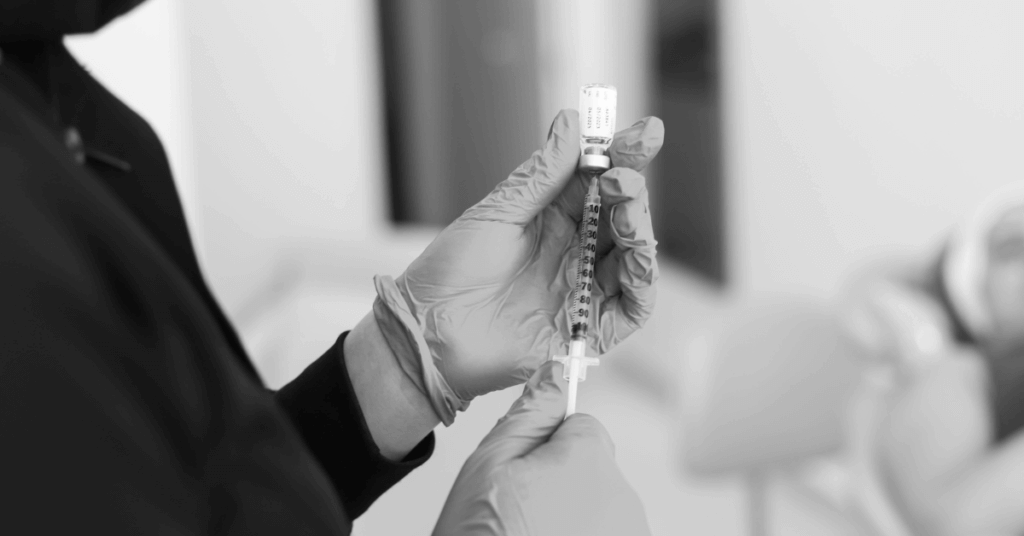
Meanwhile, popular injectable treatments, including fillers and botulinum toxins, will fall under a new licensing scheme managed by local authorities. To obtain a license, practitioners will need to demonstrate:
- Valid insurance coverage
- Adherence to safety and hygiene protocols
- Appropriate and verifiable training and qualifications
- Compliance with local authority inspection and licensing conditions
Age restrictions will apply to high-risk procedures for under-18s, aiming to protect young people from the influence of unsafe beauty trends on social media. Plus, practitioners who break the rules will face CQC enforcement and financial penalties.
Implementation Timeline
Of course, the highest-risk procedures will be the first priority for regulation, likely taking effect in late 2026. The new rules will be introduced gradually, with the licensing framework expected to follow, most likely in 2027. In the meantime, a public consultation is scheduled for early 2026 to determine the final list of procedures, training requirements, and definitions. This consultation will also explore the wider scope of treatments, including those considered medium- and low-risk.
| Risk Tier | Example Procedures |
| Green (Low Risk) | Microneedling Superficial Peels LED Light Therapy Microdermabrasion Micro-Pigmentation Non-Ablative Hair Removal Intense Pulsed Light Therapy |
| Amber (Medium Risk) | Facial Dermal Fillers Fat-Dissolving Injections Semi-Permanent Makeup Platelet-Rich Plasma Therapy Botox (Botulinum Toxin Injections) |
| Red (High Risk) | Thread Lifts IV Infusions Breast/Genital Fillers Deep Chemical Peels Liquid Brazilian Butt Lifts |
What This Means For Practitioners
The new measures will have a major impact on beauty and aesthetic professionals, particularly those offering injectables and skin treatments outside medical settings.
Practitioners are, therefore, advised to begin preparing now by:
- Reviewing Qualifications And Training: Ensure that all certificates and professional development courses align with national standards likely to form the basis of licensing requirements.
- Staying Informed: Follow updates from professional bodies such as the NHBF, the British Beauty Council, and BABTAC (British Association of Beauty Therapy & Cosmetology).
- Participating In Consultations: Provide feedback and evidence to industry organisations to help shape the final structure of the regulations.
- Keep Records: Ensure you have your consultations, consent forms, before/after photos, complication management in order. Also, be sure your policy covers all the treatments you offer.
This phased approach allows the government time to refine the details of the framework while giving practitioners and businesses the opportunity to adapt.
That is a big, but, before we all start to worry. Yes, the UK Government is introducing a new licensing scheme for non-surgical cosmetic procedures in England, and it will affect non-medical practitioners. However, none of these changes is happening overnight. There will be no immediate impact on day-to-day operations. In short, nothing changes today or next month. Practitioners still have at least 18 to 24 months before any licensing requirements begin to affect daily practice for green and amber treatments.
Therefore, do not panic-buy costly “license-ready” courses, as no official body has approved them yet, and the final training requirements have not been confirmed. If you want to up your game in general, choose accredited, Ofqual-regulated qualifications where possible.
Amendment To Annex 3
The new regulations also amend Annex 3 of Regulation (EC) No 1223/2009 to limit the concentration of methyl salicylate in cosmetic products. The goal is to make sure all types of cosmetics contain safe levels of this ingredient, based on advice from the Scientific Advisory Group on Chemical Safety of Non-Food and Non-Medicinal Consumer Products.
Under Regulation 3, there are transitional arrangements for existing products. This means that any cosmetic products containing methyl salicylate that are already on the market before these new rules take effect can continue to be sold until 31 March 2026.
A Collaborative Effort Toward Safer Standards
The DHSC has emphasised that these reforms are not designed to penalise practitioners but to create a safer, more transparent, and trusted industry. It has pledged to continue working closely with stakeholders, including regulators, trade associations, and practitioners, to finalise the details of the licensing scheme.
Industry leaders have welcomed the move as a long-overdue step toward protecting consumers from unsafe or unqualified providers. The British Beauty Council called the announcement a “pivotal moment” for the UK aesthetics sector, while the NHBF highlighted the need for “clear, fair, and enforceable” standards that uphold both public safety and professional credibility.
“I am pleased to hear of the Government’s commitment to regulating and licensing the aesthetics sector following its consultation.”
– Millie Kendall OBE, chief executive of the British Beauty Council
The Scottish Government also confirmed it will introduce a Non-Surgical Cosmetic Procedures Bill before May 2026 to formally regulate certain aesthetic treatments and premises.
So to summarise, while the details are still being finalised, one thing is clear: the era of unregulated cosmetic procedures in the UK is drawing to a close.
Note: Article to be updated as new information is released. Stay tuned, whether you are a patient, a medical professional, or a clinic owner.