

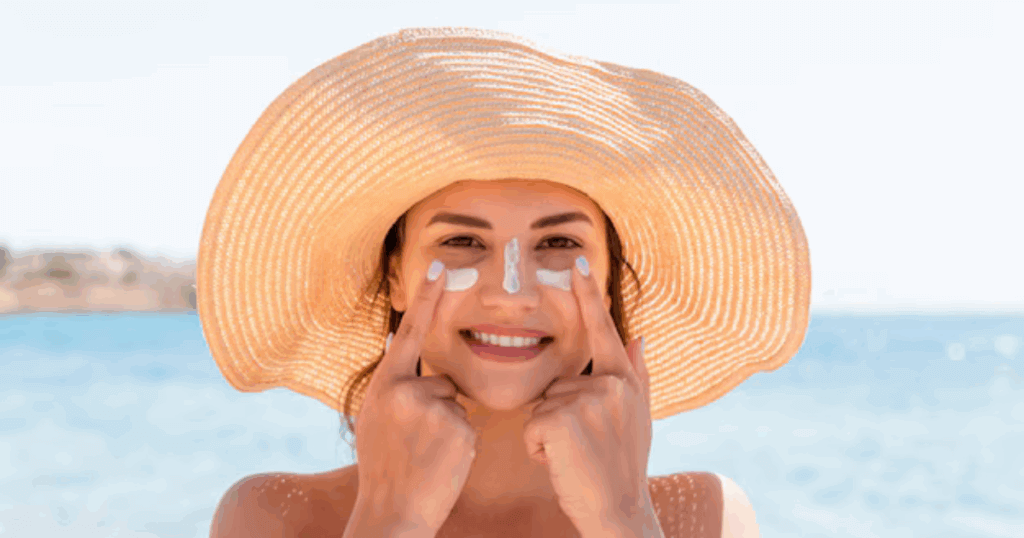
From a super young age, pretty much all of us were made aware of the importance of wearing sunscreen. Whether or not we abide by that rule is another thing. But truth be told, excessive sun exposure can have detrimental effects on our skin and even lead to premature ageing. Yes, that means looking older than we actually are (and sooner)!
However, whether we realised the true effect UV rays can have on our youth early on or only recently, it is important to note that 2025 is a big year for skincare. Especially with more and more people starting to choose mineral-based sunscreens, also called physical sunscreens. This is due to the fact that as more people become aware of their health, the environment, and sensitive skin, mineral sunscreens are becoming the preferred choice for sun protection. According to a 2023 consumer sentiment survey, 67% of consumers preferred mineral sunscreen lotions over sprays, citing better coverage and suitability for sensitive skin.
Why The Shift To Mineral Sunscreens?
The move towards mineral sunscreens is driven by several key factors that appeal to health-conscious and eco-aware consumers alike.
Health Concerns
Studies have raised concerns about the potential hormone-disrupting effects of certain chemical sunscreen ingredients like oxybenzone and octinoxate. These compounds can penetrate the skin and enter the bloodstream, leading some consumers to seek safer alternatives. Unlike chemical sunscreens, which rely on organic compounds to absorb UV radiation, mineral formulas use ingredients like zinc oxide and titanium dioxide to form a physical shield on the skin. This shield remains on the skin’s surface to reflects harmful UVA and UVB rays and are thus considered inert, making them less likely to cause irritation or systemic absorption.
Environmental Impact
The detrimental effects of chemical sunscreens on marine ecosystems, particularly coral reefs, have been well-documented. Many popular ingredients in chemical sunscreens contribute to coral bleaching, prompting bans in eco-sensitive areas like Hawaii and Palau. Mineral sunscreens, free from these harmful substances, are increasingly recognised as a reef-safe option, aligning with the global push for sustainable tourism and conservation efforts. They are typically more biodegradable than chemical sunscreens. In short, Mineral sunscreens tend to use naturally derived ingredients, and many brands are committed to using eco-friendly and non-toxic formulations. This reduces the potential for environmental contamination and promotes sustainability.
Skin Sensitivity
For individuals with sensitive, acne-prone, or reactive skin, mineral sunscreens offer a gentler alternative. Their non-comedogenic properties and lack of irritating chemicals make them suitable for all skin types, including those with conditions like rosacea or eczema.
Improved Formulations
As more people become interested in physical sunscreens, innovation is transforming the market in exciting ways. Mineral sunscreen formulas, which used to have a heavy texture and leave a chalky white cast, are now leading skincare trends, boasting lightweight, silky formulations that feel luxurious on the skin, and are easier to use than ever before. Meaning, gone are the days of greasy finishes and visibly streaky application.
Many brands are also introducing tinted options to cater to various skin tones, ensuring seamless blending and a natural appearance. Additionally, these sunscreens are being infused with skin-nourishing ingredients like niacinamide and hyaluronic acid, transforming them into multi-functional skincare products that protect while enhancing skin health.
That is pretty revolutionary, would you not agree?
Top Picks For 2025
The range of mineral sunscreens available in 2025 is diverse and tailored to meet the needs of all consumers. From ultra-gentle formulations designed for babies to high-performance options ideal for outdoor enthusiasts, and even tinted moisturisers for makeup lovers.
What are our top 3 picks, though? We are glad you asked:
- EltaMD UV Clear Broad-Spectrum SPF 46: A favourite among dermatologists, this sunscreen offers protection while soothing sensitive skin with niacinamide.
- Supergoop! Mineral Sheerscreen SPF 30: Known for its lightweight texture and invisible finish, this product is perfect for everyday use.
- Babo Botanicals Daily Sheer Fluid SPF 50: An eco-friendly option with reef-safe ingredients, suitable for active lifestyles.
Look, choosing and using mineral sunscreens effectively is key to ensuring optimal sun protection. With the right knowledge, you can make the most of these innovative products and protect your skin from harmful UV rays.

Just remember when selecting a mineral sunscreen, always prioritise products labelled with SPF 30 or higher that offer broad-spectrum protection. This protects against both UVA rays, which cause premature ageing, and UVB rays, which mainly cause sunburn.
Proper application is equally critical. Mineral sunscreens should be applied generously to all exposed areas of the skin at least 15 minutes before heading outdoors. To maintain consistent protection, reapplication is necessary every 2 hours or more frequently if you are sweating or swimming.
The Rise of Minerals
The rise of mineral-based sunscreens in 2025 represents a significant step towards safer, more sustainable skincare with many dermatologists and beauty influencers play a pivotal role in advocating for mineral sunscreens.
“Mineral sunscreens not only provide excellent UV protection but also cater to patients with skin sensitivities, making them an integral part of modern skincare.” – Dr Samantha Ellis, a leading dermatologist.
Beauty influencers are also helping to dispel myths about mineral sunscreens, showcasing their versatility through tutorials and product reviews.
Recent regulatory changes and scientific research have further validated the move towards mineral sunscreens. Updates from the US FDA, as well as EU guidelines, highlight zinc oxide and titanium dioxide as “generally recognised as safe and effective” (GRASE) for sun protection. These endorsements also bolster consumer confidence in mineral-based formulations.
By prioritising health, environmental impact, and inclusivity, these products align with the values of today’s conscious consumers. And as formulations continue to improve, mineral sunscreens are poised to become a staple in skincare routines worldwide, combining efficacy with ethical responsibility while shaping the future of the industry towards a greener and more conscientious direction.