When considering the topic of unethical practices in the beauty and aesthetics industry, my first thought was a celebrity I continue to have high hopes for.
This celebrity is Amanda Bynes. I write this with utmost respect for her and with questions for the aesthetics practitioners who agreed to do procedures on Ms Bynes who never needed work done to begin with.
To make someone feel less than beautiful for financial gain and to prey on their vulnerabilities, instead of using your technological know-how in beauty and aesthetics to celebrate their unique beauty, is an injustice to that person – in my opinion, at least.
There is a fine line between innovation and controversy in the world of beauty and aesthetics. Certain treatments and procedures raise ethical red flags despite their popularity.
Beauty is such an intimate, personal thing. Beauty and aesthetic treatments are not just skin deep. They impact the psyche, not just of the individual but the psyche of society at large.
We all have our views of what constitutes unethical practices in the industry and in life at large.
Here are some of the treatments which have raised eyebrows and fired-up the critics:
Underage Botox
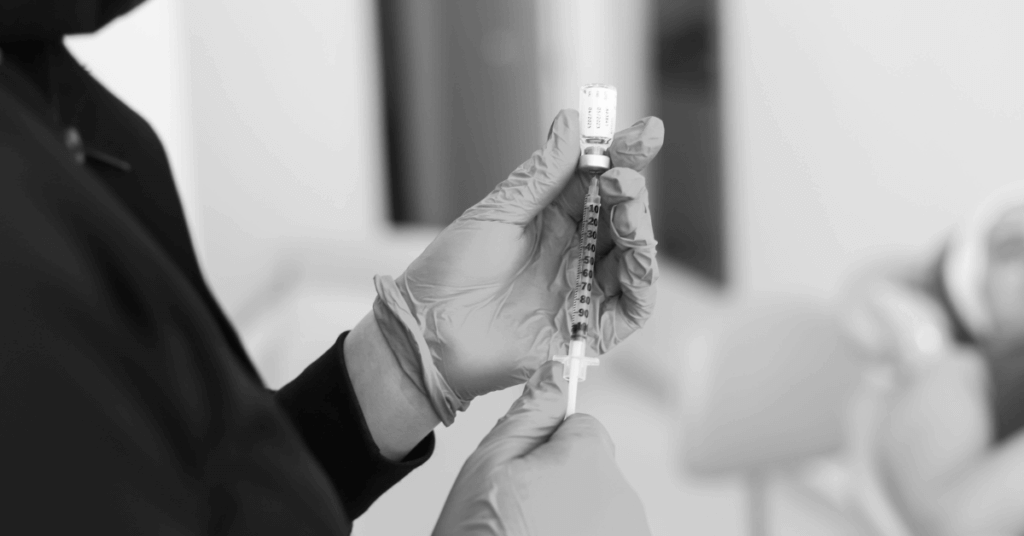
How young is too young to have an anti-wrinkle injection? Is a teenager too young? Some professionals think not. In fact, the use of Botox and other injectables among teenagers is on the increase.
While anti-wrinkle injections are medically licensed for adults to treat specific muscular conditions, their off-label use for cosmetic reasons, particularly among minors, is raising concern.
In the UK, the Botulinum Toxin and Cosmetic Fillers (Children) Act 2021 made it illegal to administer Botox or cosmetic fillers to under-18s for aesthetic purposes, regardless of parental consent.
According to NHS England, this legislation was prompted by a surge in demand driven by social media influencers and reality TV stars. Between 2020 and 2021, Save Face, a UK government-approved register of accredited practitioners, reported over 41 complaints relating to treatments performed on minors.
British aesthetic doctor Dr. Tijion Esho said in a BBC interview, “We’ve seen teens coming into clinics requesting Botox because they think prevention is better than cure, but we forget they’re still developing. Injectables are not designed for growing faces.”
Skin Lightening
Skin lightening is another treatment that sits at the heart of an ongoing ethical storm. Though still widely practised across Asia, Africa, and parts of the Middle East, skin lightening is often marketed under the guise of ‘brightening’ or ‘glow-enhancing’. However, the underlying message given is that lighter skin is more desirable.
In the UK, products containing high levels of hydroquinone or mercury are banned for consumer use due to serious health risks. Yet the black market for illegal skin lightening creams continues to thrive. A 2022 report from London’s Croydon Council revealed a raid on multiple shops selling banned products, some with mercury levels up to 3 000 times above the legal limit.
Actress and activist Jameela Jamil has been vocal about her disapproval of skin lightening, calling it ‘a deeply harmful industry that feeds off the insecurities it creates.’ In a 2021 interview with The Guardian, she condemned celebrities who promoted these products, saying, ‘It’s unethical to profit from products that are literally making people bleach away their identity.’
Extreme Cosmetic Surgery
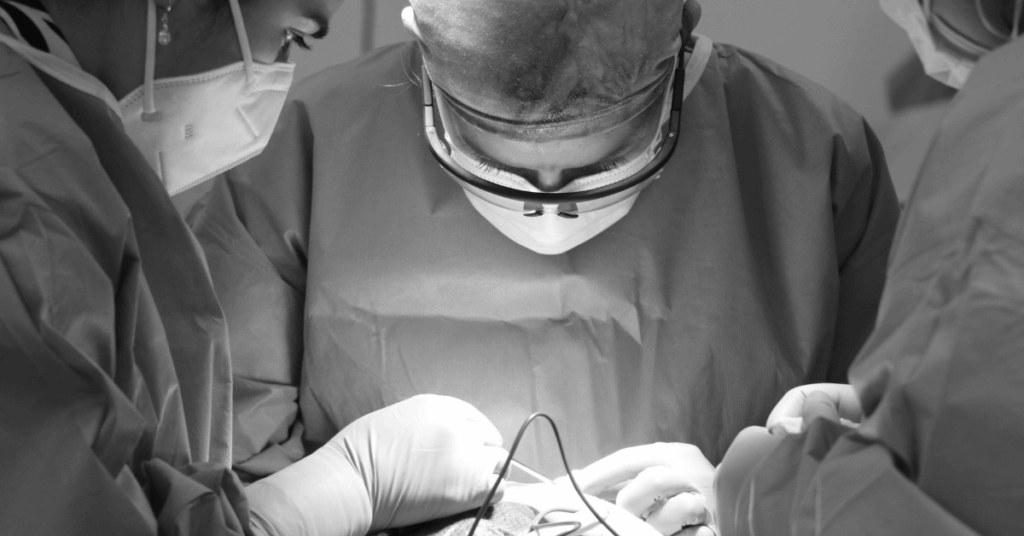
While cosmetic surgery can empower people and correct features they feel insecure about, there is growing unease around extreme procedures. Surgeries such as rib removal for a smaller waist, ‘cat-eye’ canthoplasty, or buccal fat removal have entered mainstream conversation and drawn much criticism.
Aesthetic practitioners are increasingly concerned about these procedures being performed on vulnerable individuals without appropriate psychological screening. The British Association of Aesthetic Plastic Surgeons (BAAPS) has called for stricter regulations and psychological assessments prior to cosmetic surgery, particularly for those under 21.
Plastic surgeon Dr Mary O’Brien, the president of BAAPS, told The Times, “We are seeing a rise in patients requesting surgery based on distorted social media filters. It’s our duty to draw the line and ensure people understand what they’re truly signing up for.”
The Future Of Ethical Beauty
As awareness grows, the beauty and aesthetics industry is under pressure to self-regulate and raise ethical standards. New legislation, like the UK’s licensing framework for non-surgical cosmetic procedures, is a step in the right direction. At the same time, social movements advocating for natural beauty, representation, and body positivity are challenging outdated norms and dangerous shortcuts.
Ultimately, beauty should be empowering, not harmful. As consumers, practitioners, and influencers continue to push boundaries, the question is no longer just what’s trending, but what’s truly right.
It’s good to be discerning and critical when choosing treatments which will no doubt impact you both physically, and emotionally. Make informed decisions. Get second opinions. Make sure you are doing something for the right reason.
I continue to believe Amanda Bynes will have her big comeback and realise she is beautiful and was beautiful to begin with.