

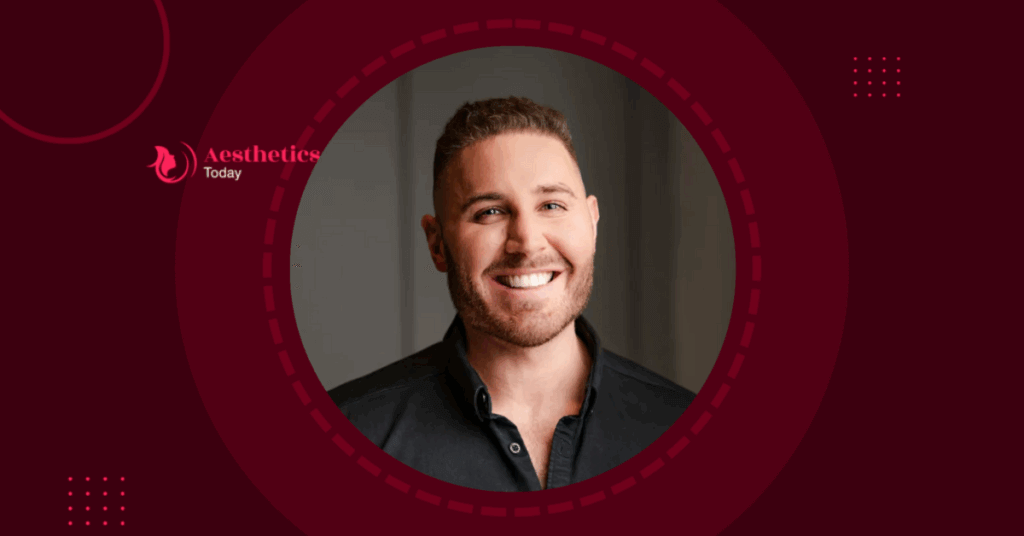
In a candid conversation on the Aesthetics Today podcast, Dr Robinson shares how he moved from anaesthetics in the NHS to becoming an advocate for ethical practice in aesthetic medicine. His story combines resilience in the face of burnout with a determination to reshape the way the industry operates.
From NHS Burnout To A New Beginning
Dr Robinson’s entry into medicine wasn’t the result of a childhood dream. “It was never something that I originally had planned for myself… And the more I learnt about the medical profession, the more I just really enjoyed it,” he says. Drawn in by science and the prospect of helping others, he pursued anaesthetic training, beginning in 2019.
But the outbreak of COVID-19 altered his trajectory. “I was introduced to it initially in Covid… became very burnt out with the NHS system.” His honesty captures a reality many clinicians have faced: the relentless pressures of the NHS can wear even the most committed professionals down. Aesthetics offered him a lifeline, first as an interest and then as a full-time practice.
Ethics Before Profit
Aesthetic medicine has no shortage of practitioners who deliver what patients ask for without question, but Robinson has made it clear that he will not fall into that trap. “It’s the easiest thing in the world to do what a patient wants and just perform a treatment on them and then charge them for it… but it’s not going to look good.”
His philosophy is simple yet uncompromising: the long-term wellbeing of the patient matters more than short-term gains. This stance requires confidence, particularly when it means refusing procedures that might harm outcomes or patient satisfaction. For Robinson, saying “no” is just as important a skill as knowing when to say “yes”.
The Two Faces Of Aesthetics
When asked about treatment trends, Robinson highlights a divide at the heart of the industry. “There are kind of two arms to these treatments… feature enhancement, which is making people prettier in inverted commas, and then you have anti-ageing, which is very different.”
This distinction reflects how patients approach aesthetics today. Some want to experiment with their appearance, often influenced by beauty trends on social media. Others seek subtle interventions to age more gracefully. Recognising these different motivations allows practitioners to tailor their advice and, crucially, to avoid the trap of one-size-fits-all procedures.
Raising Standards In A Crowded Market
Robinson also takes a strong stance on regulation. In the UK, Care Quality Commission (CQC) registration is not mandatory for aesthetic clinics unless specific treatments are carried out, leaving large parts of the industry operating without oversight. Robinson has chosen a different route. “In the UK, CQC registration is not mandatory for aesthetic clinics unless you’re doing certain procedures… we made the conscious choice to register.”
This voluntary decision underscores his commitment to higher standards and greater accountability. In an increasingly saturated market, aligning with the CQC signals credibility to patients and helps push the sector towards more rigorous safety and quality benchmarks.
Beyond The Needle
Dr Robinson’s journey captures more than just a career pivot; it mirrors the shifting landscape of aesthetic medicine in the UK. His openness about NHS burnout resonates with clinicians, his insistence on ethics speaks to patients, and his approach to regulation challenges the industry to evolve.
His story also dismantles the idea that aesthetics is all about vanity. Instead, he frames it as a discipline balancing artistry with science, personal choice with professional responsibility. In his hands, a filler syringe is not a shortcut to profit but a tool for lasting artistry and patient confidence.
For Robinson, the future of aesthetics depends on practitioners who are willing to put patient interests first, push for better regulation, and embrace subtlety over excess. It is a message as unvarnished as it is urgent: aesthetics can only thrive when ethics lead the way.