
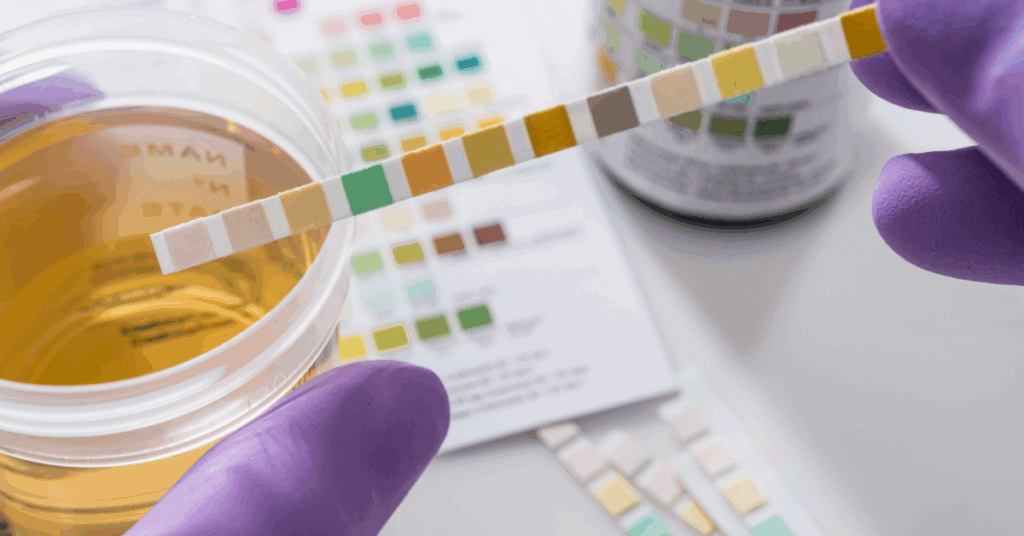
Urotherapy is one of the weird treatments experiencing a sudden revival in online wellness and beauty circles. It is better known as urine therapy and it is exactly what its name suggests. It involves the internal or external use of your own urine for perceived health and beauty benefits.
It is hard to imagine a treatment like this could ever be beneficial, however, searches on urotherapy have become viral in recent months. If nothing else, urotherapy has stirred our curiosity more than anything else.
The treatment uses fresh, midstream morning urine. Proponents of the therapy claim that this urine contains healing compounds, such as hormones, enzymes, and antibodies. They believe the body can reabsorb these compounds and then use them for various functions, like immune support, detoxification, and even skin rejuvenation!
The treatment’s online virality is stirring debate among medical experts, wellness influencers, and curious followers alike. Experts advise exercising caution when using your own urine, as it can contain as many toxins as it does beneficial compounds.
A Treatment With Historical Roots
Research into the history of urotherapy shows that it actually has deep historical roots and derives from ancient treatments.
Ancient Indian texts mention something called ‘auto-urine therapy’. This therapy is used as part of Ayurvedic medicine. Similarly, in ancient Rome and China, urine was used to clean wounds, whiten teeth, and treat skin conditions.
During World War I and World War II, soldiers reportedly used their own urine to cleanse wounds when antiseptics were unavailable. In some remote regions today, traditional healers continue to use urine in folk medicine practices. These practices are used for a myriad of ailments, from burns to insect bites.
Supporters of the urotherapy claim that it can improve skin texture, reduce acne, and fade dark spots. This is because urea has natural exfoliating properties.
Some dermatologists acknowledge that urea, in its pharmaceutical form, is indeed used in skincare. However, their argument is that there is a big difference between a medically-formulated cream and DIY face masks made from unprocessed urine.
A Resurgence Of Unconventional Health Trends
The resurgence of urotherapy this year has been credited to the same influences which are driving other unconventional health trends. These include social media virality, distrust in conventional medicine, and a fascination with ancient or ‘natural’ remedies.
One of the most viral videos on urine therapy features wellness influencer Dana Faulkner. Dana claims that she cured her adult acne by dabbing her own urine onto her face daily for three weeks. “It’s free, natural, and it worked when nothing else did,” she told her 2,3 million followers.
Dana’s video on urotherapy has over 15 million views. This means that it has gone viral and viewers throughout the world are hearing her praises about urotherapy.
However, while it might have sparked a wave of interest, it has also drawn a lot of criticism from healthcare regulators.
Dr Whitney Bowe, a board-certified dermatologist in New York, has said that urea in skincare has proven benefits, however applying urine directly to the face is not the same. She warns that introducing bacteria and other potential irritants found in urine can lead to breakouts or infections. The experts say there is no solid clinical evidence supporting certain proposed uses of urine.
The controversy surrounding urotherapy stems from its composition. While urine is 95 percent water, it also contains urea, uric acid, creatinine, electrolytes, and various toxins which the body seeks to expel. Critics argue that reintroducing waste back into the body goes against the basic principles of human biology.
A Rising Interest In Ancient Bodily Remedies
Despite the skepticism it has drawn, the search term ‘urine therapy benefits’ saw a 400 percent spike in Google Trends this year, from January to May, According to a report from wellness market tracker Mintel, niche products inspired by ancient bodily remedies, such as colostrum skincare, placental serums, and now urine-based DIY hacks, have seen a dramatic increase in mentions across wellness influencers.
Some alternative medicine practitioners believe the body produces natural compounds which are worth reclaiming. A few small studies have explored the antibacterial properties of urea in topical formulations, and some wound care treatments use urea-based creams. However, these are highly refined, medical-grade products. These products are not the same as straight-from-the-body applications.
What is evident is that weird beauty treatments, like urotherapy, are becoming viral. Experts believe this is a result of a growing number of people losing trust in conventional systems. Many are turning to alternative or ancient remedies which promise natural, affordable solutions.
Social media amplifies this shift. Influencers are now sharing raw, personal testimonies which to many feel more authentic than polished messages. As one TikTok user explained after trying a bizarre, trending treatment: “At least I know exactly what’s in it.”
Whether urotherapy remains a social media novelty or evolves into a more researched alternative practice remains to be seen. For now, it remains at the crossroads of curiosity and caution.
Always ask a medical or healthcare professional before trying any new treatment, including urotherapy.