
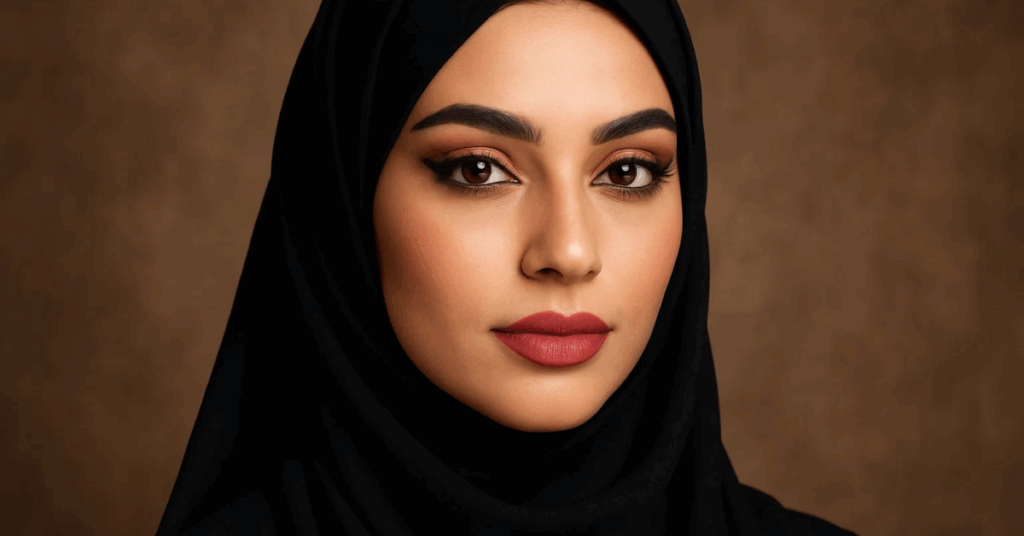
In spite of modern technological innovations, some of the most effective beauty secrets have ancient roots.
For example, Arabian beauty rituals have been passed down from generation to generation and are gaining new fans on platforms like TikTok and YouTube. Some of the videos containing Arabian beauty secrets are going viral. This is because there is a reason they have survived the years. Simply, they work… at least that’s what those who are celebrating them, including celebrity Gigi Hadid, have to say.
“Arabian women are well known for their beauty. For their beautiful eyes, wrinkle-free skin, lustrous hair and on top their beautiful glowing skin,” writes beauty enthusiast Philmita Lewis. “They are also blessed with the same type of skin that we have, but their way of taking care of their skin is different and they give high importance to their skin care routine. Arabian women have beauty rituals which have become a part of their beauty routine and these rituals helps them to stay beautiful. If you have ever noticed Arabian women will never age fast, it’s because of their natural beauty rituals.”
Many of these rituals are deeply woven into the cultural fabric of Arab societies and continue to deliver results which rival any modern treatment. “These practices are about wellness, elegance, and self-respect,” says beauty historian Dr Leila Samir, who is based in Cairo.
We Explore A Few Ways You Can Incorporate Arabian Beauty Into Your Routine
Rose Water
Any Arab grandmother will share that her daily skincare staple is rose water. Rose water is distilled from damask roses and provides a gentle yet powerful toner and has been used for centuries to hydrate, soothe, and balance the skin’s pH.
Modern dermatologists now speak about rose water’s anti-inflammatory and antioxidant properties. “It’s especially effective for people with sensitive skin or redness,” says Dubai dermatologist Dr Amina Khoury, a dermatologist practicing in Dubai. It can also be used to calm irritation after sun exposure.
Argan Oil
Argan oil is packed with vitamin E and essential fatty acids. This golden oil is sourced from the kernels of the argan tree, which is native to Morocco. In Morocco, women have used it for centuries to maintain youthful, supple skin.
“Argan oil is incredibly versatile,” says skincare formulator Samar Fathi. “It works on frizzy hair, dry cuticles, and even stretch marks. But what makes it so special is how fast it absorbs without clogging pores.”
While it has been used for centuries in Arabian beauty rituals, it has also now become a staple in elite hair salons worldwide.
Kohl
Kohl is another well-known Arabian beauty must-have. This is the iconic black eyeliner worn by both men and women across the Arab world. It is traditionally made from ground galena (a form of lead sulfide) and has been used for centuries to define the eyes and protect them from the harsh desert sun.
Today’s versions are usually lead-free and safe, offering the same dramatic, smoky look that has graced the faces of queens, warriors, and poets for centuries.
Kohl is also believed to have antibacterial properties.
Black Seed Oil
Black seed oil is derived from Nigella sativa and can be found in most Arab households. It is used for both beauty and health. Its many uses include treating acne and scalp conditions, and alleviating dryness. It can also be taken internally to boost immunity and digestive health.
This oil has seen a surge in popularity recently. Wellness influencers and celebrities like Gigi Hadid praise its holistic benefits on social media platforms. Its anti-inflammatory and antimicrobial properties are backed by modern research, making it one of the few ancient remedies with real scientific clout.
Sandalwood And Saffron
Sandalwood has long been a part of Arabian facial treatments. Used together with saffron, a rare and luxurious spice harvested from crocus flowers, it is a powerful skin-brightening tool.
Women across the Gulf blend saffron and sandalwood with milk or honey to create masks which target pigmentation, acne, and dullness. “Saffron is high in antioxidants and has a gentle bleaching effect,” notes beauty chemist Dr Zeina Haddad.
Sandalwood is also incredibly calming for irritated or inflamed skin.
Though pricey, these ingredients are cherished for their ability to deliver a ‘glow from within’, without harsh chemicals.
The Hammam
No list of Arabian beauty secrets would be complete without the hammam. This is a traditional steam bath.
Visitors are scrubbed head to toe using black soap (beldi) and a kessa mitt, a rough glove which sloughs off dead skin and stimulates blood flow. The process is intense and often lasts up to two hours. It leaves the skin soft and refreshed.
“In the Arab world, the hammam is about more than beauty,” says sociologist Rana Saleh, explaining its focus is on community and renewal.
Vitamin C
Vitamin C has been rapidly embraced in modern beauty regimens across the Middle East. Arab women now often pair their ancient routines with a touch of contemporary science.
Topical vitamin C serums, taken alongside vitamin C supplements, help to fight free radicals and brighten skin. Many pair it with rose water or saffron masks.
“Vitamin C works as a bridge between traditional and modern skincare,” says beauty influencer Noura Al-Kuwaiti.
Ancient Wisdom In a Modern World
The global beauty industry is increasingly embracing holistic, culturally-rooted routines. As a result, there is a renewed respect for these time-honoured secrets.
What sets these practices apart is their connection to identity, wellness, and community. Sometimes looking forward to the future means looking back and doing what works!