

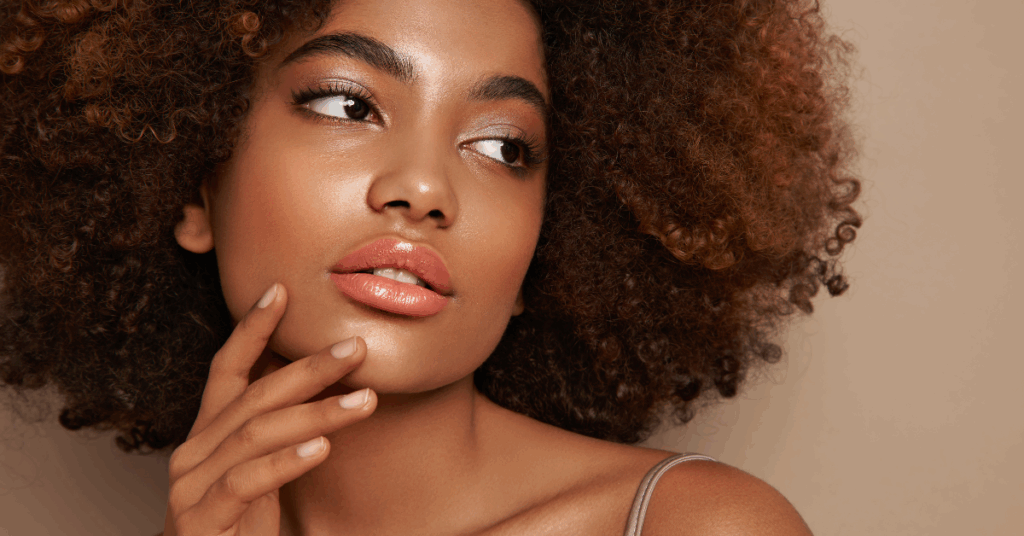
In many African cultures, beauty is more than skin-deep. It is an expression of identity, community, and heritage.
The beauty regimens have been passed down generations and each tells a story.
When I was 11 years old, we went on a school tour to Zululand in Kwazulu Natal, South Africa. We visited a site called Dingaan’s Kraal, which was the home of Dingaan, who became king of the Zulu people in 1828.
There were some women there dressed in traditional clothes who did a dance for us. I will never forget the bright, beautiful neck adornments and beaded garments that they wore. Attention was given to even the finest of detail on their outfits. Their hair was braided with precision and their eyes shone with the kind of beauty expressed in the African proverb: “She is beautiful; she has love, and understands; she respects herself and others.”
One of the ladies came up to me and tied a bangle made of antelope skin around my wrist and I walked away feeling just that much more beautiful. I felt beautiful because I felt seen.
Africa’s beauty ideals are different somehow. They express a love for life, passion, and strength. They are about feeling seen and celebrating life.
In Africa, traditions are honoured and considered with pride. South Africans have a saying, ‘Proudly South African’, which means that all South Africans, regardless of culture and race, consider the nation’s traditional roots as being their own roots and close to their own hearts.
These traditional practices have also infiltrated everyday life in the western world. Some of the beauty rituals of Africa are regarded as extreme by western cultures, such as neck elongation and head shaping. Others we are so familiar with that we don’t recognise them as being African. For example, did you know that the shea butter cream you use to moisturise your legs and hands has African origins?
Here are some African beauty rituals which are worth noting:
Head Aesthetics
Among the earliest known beauty practices in Africa is head shaping. This is a form of cranial modification practiced by several African groups.
My King Gate explains the procedure: “In Africa, one of the most notable examples of this practice is found among the Mangbetu people, who traditionally bound the heads of their infants to achieve an elongated shape.”
This head shape was considered as a sign of intelligence, aristocracy, and beauty. Head shape reflected social status and cultural sophistication.
While head shaping is not something that is practiced in the modern beauty and aesthetics world, Western fashion and media have occasionally echoed these shapes in stylised headwear and in gear worn on catwalks. These borrowed elements reflect how African aesthetics have long influenced global design in subtle and not-so-subtle ways.
The Neck As A Symbol Of Grace
I should imagine that the neck is something special in every culture. However, in Africa it is given special prominence, as I have witnessed. I have seen many breathtakingly beautiful necklaces which would fetch for great costs in western cultures. African women know how to make their necks beautiful.
There is an ancient practice called neck elongation which is worth noting. Neck elongation is another striking African beauty ritual. This is practiced by the Ndebele people of South Africa. Urbo explains: ”Within Africa’s Ndebele tribe, the women of the tribe wear copper and brass rings not only around their necks, but around their legs and arms, as well.”
Over time, the weight of the rings gives the appearance of an elongated neck. This feature is considered to be both elegant and regal.
In Western culture, this beauty feature has been reflected in the fashion world. Photographers and designers have imitated the elongated neckline using make-up and state-of-the-art accessories.
The Art Of Ear Adornment

Stretching the earlobes is a tradition shared across many African cultures, from the Maasai in Kenya to the Mursi in Ethiopia.
For the Maasai, elongated earlobes adorned with beadwork, stones, or wooden plugs are symbols of beauty, maturity, and status.
Among Mursi women, large clay or wooden lip plates inserted into the lower lip serve a similar cultural function. These signal fertility, strength, and social identity.
Beauty Regimens Born In Africa
Africa has long been a source of natural beauty wisdom. Ancient African regimens relied on botanicals, oils, and routines designed to nourish the skin and hair, rather than conceal or alter it.
One of the most widely known is shea butter. This is a rich fat derived from the nuts of the shea tree. It is used across West Africa for moisturising skin, treating burns, and protecting against harsh sun.
Another example is African black soap. This is traditionally made with plantain ash, cocoa pods, and palm oil. This soap has long been used in West African countries like Ghana and Nigeria. It is celebrated for its ability to gently cleanse and soothe problematic skin.
Today, it is stocked in upscale wellness stores from London to Los Angeles.
Moroccan argan oil, derived from the argan tree native to North Africa, has become a global staple in haircare and skincare. This is known for its lightweight texture and nourishing properties. Similarly, traditional clays such as rhassoul and kaolin are used for detoxifying skin and hair. These are now popular in spa treatments and facial masks around the world.
Redefining Beauty Through African Eyes
African beauty practices continue to inspire global trends. For instance, there are many runway shows that mimic tribal adornments. There are also editorial spreads in glossy magazines which feature models with digitally elongated necks or ear cuffs, inspired by African jewelry. Many times, the complex history behind these elements is not mentioned.
Nevertheless, there are efforts within the beauty industry to honour African contributions more respectfully. Brands founded by African entrepreneurs are reclaiming these traditions by packaging natural African products with stories, education, and authentic sourcing.
African beauty is more than just how things appear. Ultimately, it is a celebration of identity. You only have to scroll through social media to see that the world is craving authenticity.
It’s hard to forget Coco Chanel’s musings on beauty. She said that beauty begins the moment we begin to be ourselves. It’s not about elongating your neck or reshaping your skull, but to see beyond the appearances to the stories which hold us together and in shaping our hearts, shape our appearance.