

Few beauty and skincare ingredients have managed to hold their ground quite like hyaluronic acid (HA). HA is celebrated for its ability to plump, hydrate, and revitalise the skin.
Cosmetic chemist Ginger King has likened it to the scaffolding which holds a building together. “Without it, everything just starts to fall apart,” she says.
If, like me, you read the labels of products before buying them, you might be one of those people who get excited when a product contains HA. It really is the ‘it’ ingredient for skincare at the moment.
“The cosmetic industry has been using HA for over 20 years for its great skin moisturising properties,” says a report by the National Institutes of Health (NIH). “In 2016, over 5 900 end products launched on the market contained either HA or hydrolysed HA, with more than 70% of these products now dedicated to the mass market.”
HA has become a cornerstone in serums, creams, masks, and even injectable treatments. But is its popularity grounded in science or just clever marketing?
I remember when charcoal masks and cleansers were everywhere on store shelves. These experienced a surge in popularity because of their dramatic appearance and claims of offering a ‘deep detox’. However, dermatologists criticised the lack of solid evidence supporting the charcoal claims. The trend soon fizzled and charcoal again became something used for barbecues rather than beauty. Consumers realised the effects were more gimmicky than anything else.
However, could this same skepticism be applied to HA. Are the claims about it too good to be true, or is it another passing trend?
How Did Hyaluronic Acid Enter The Beauty World?
HA is a naturally occurring sugar molecule found in the human body, mostly in the skin, connective tissue, and eyes. Its superpower lies in its ability to bind water. This makes it an essential component in maintaining skin hydration and elasticity.
As we age, the body’s natural HA levels diminish. This contributes to dryness, sagging, and fine lines. By boosting HA levels, beauty therapists hope to recover something of this loss of hydration.
HA was discovered in the 1930s by German biochemist Karl Meyer. However, its leap into cosmetics didn’t occur until decades later. It was first used in medical settings for joint lubrication, eye surgeries, and wound healing. Researchers eventually turned their attention to its skin-rejuvenating properties.
Rooster combs were once the primary source of HA for injectables before biotech developed vegan and lab-grown alternatives.
By the early 2000s, Japanese beauty brands began including HA in moisturisers and masks. This kickstarted a wave of interest in HA which spread globally. With the boom of K-beauty in the 2010s and the rise of clean, science-backed skincare, HA rose to fame.
Topical VS Injectable Use Of HA
Research seems to suggest that results from topical HA, such as in creams or serums, may be more modest compared to injectable forms.
Topical HA hydrates the surface layers of the skin. It helps improve texture, elasticity, and glow with regular use. It works best when combined with occlusives or humectants and applied to damp skin.
However, it doesn’t penetrate deeply due to its large molecular size and its effectiveness lies in subtle but real improvements over time.
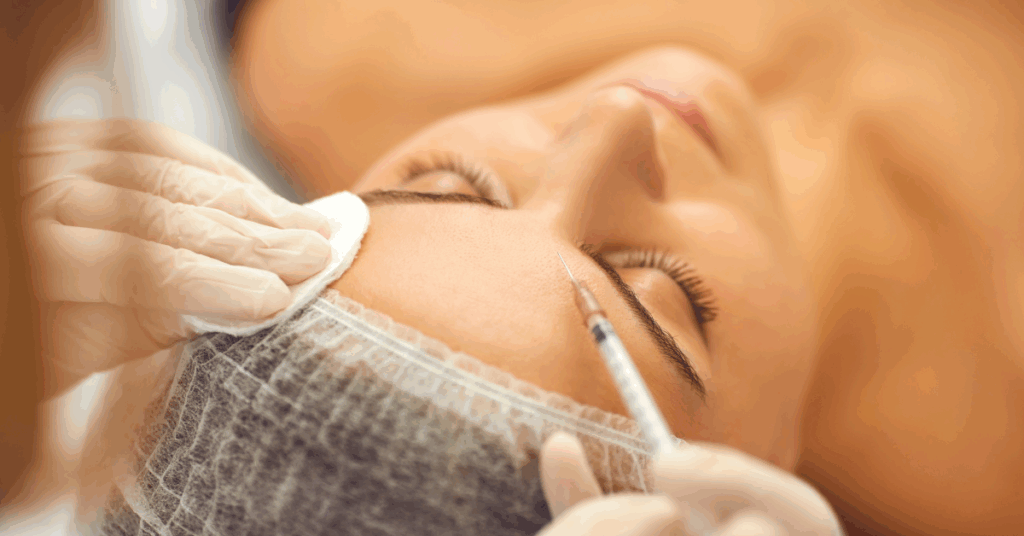
Injectable HA, such as certain dermal fillers, delivers HA deep into the dermis, instantly plumping and reshaping areas of the face. It offers longer-lasting results, typically between six to 18 months, depending on the product. It also triggers collagen production due to localised micro-trauma and tissue response.
In essence, injectable HA provides structure and volume, while topical HA hydrates and smooths.
The question remains whether HA will retain its throne as the ‘it’ ingredient of beauty therapies and skincare products. The studies suggest that while HA is not a miracle anti-ageing ingredient, it does deliver consistent hydration, especially for dry or dehydrated skin types. It pairs well with actives like vitamin C, niacinamide, and peptides. It is also safe for almost all skin types, including sensitive and acne-prone.
However, HA can also pull moisture from the deeper layers of the skin if applied in very dry conditions, or without a sealing moisturiser. This can lead to the opposite of its intended effect, which is more dryness.
To maximise results, you should always apply HA to damp skin, followed by a moisturiser or facial oil. You should also look for multi-weight HA formulations which hydrate at multiple skin depths.
For optimal impact, combine HA products with ceramides or occlusive agents. This allows for longer-lasting moisture retention.
Future-Focused
After some research, it seems that HA is far from a passing trend. It’s a proven hydrator with medical roots and a solid foundation in cosmetic science.
The beauty industry continues to surprise us with new and innovative uses for HA. In Japan, it’s common to ingest HA supplements or ‘drinkable collagen’ beverages containing HA for internal skin support. However, the scientific consensus on the effectiveness of this remains limited.
HA also continues to play a role in wound healing by regulating inflammation and tissue regeneration. It is also used in orthopedics, eye drops, and even nasal sprays for its lubricating and healing properties.
As beauty science continues to evolve, you can expect HA to remain a key player. At least, this is what the experts say. “HA has many qualities that make it superior to other substances used in skin regeneration, with pronounced moisturising and anti-ageing effects,” says the NIH.
Some Skincare Ingredients Which Didn’t Stand The Test Of Time
Hydrogen Peroxide For Acne
Hydrogen peroxide was once seen as a budget acne solution, used for its antibacterial properties. However it quickly lost credibility in dermatology circles. Studies showed that it could irritate and dry out the skin, potentially slowing wound healing and increasing inflammation. Today, it’s largely reserved for first-aid kits rather than face care routines.
24K Gold In Skincare
Gold-infused serums and masks promised luxury and anti-ageing magic. However clinical studies failed to back up those claims. While it looked glamorous on packaging and Instagram feeds, gold is inert and offers little to no proven benefit for the skin, says the experts.
Crystals And Gemstone Skincare
Crystal-infused face rollers and gemstone creams claimed to deliver ‘energy healing’ and vibrational benefits to the skin. While the wellness angle was popular for a while, dermatological science found no measurable skin improvement from crystal exposure. As the new-age skincare trend lost steam, so did products promising mystical beauty benefits.