
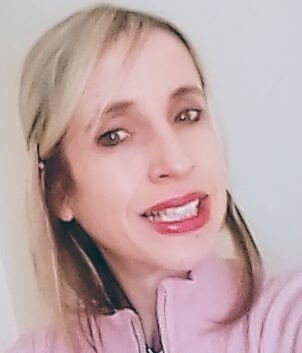
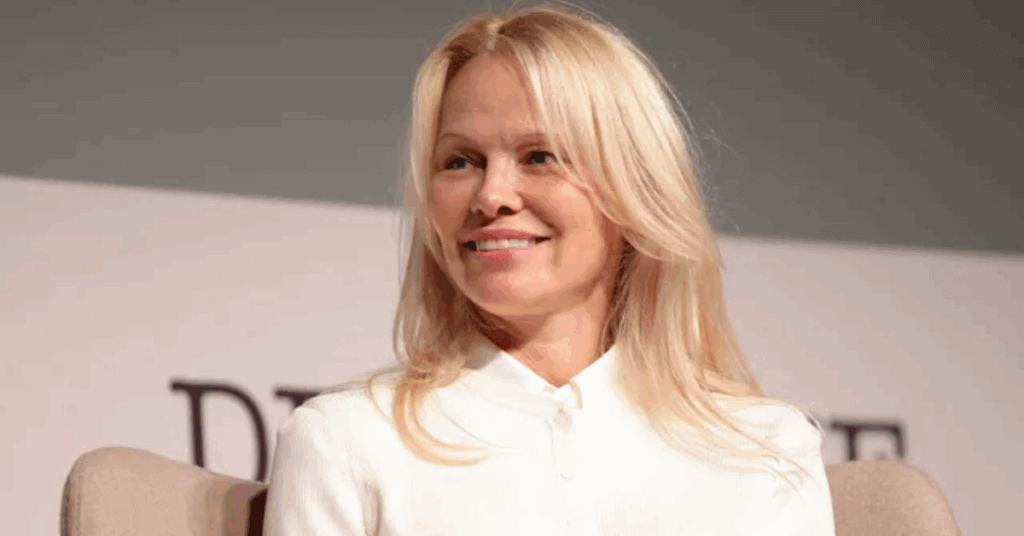
The ‘glow down’ trend is taking over social media. This is a conscious move away from high-maintenance beauty routines, and heavy make-up. Celebrities like Pamela Anderson are leading the movement.
I did a double take when I saw her in photos taken at major events, wearing no make-up.
When I was a teenager, Pamela Anderson was known for her role in Baywatch. She was Barbie Doll-like with her flawless beauty. She had perfect make-up, long blond hair and a perfect figure. A few decades later she is now an advocate for inner beauty. We are seeing a side to her we never imagined existed when she ran around in her small Baywatch costume, carrying a lifesavers’ board.
If anything, Pamela has taught me not to judge anyone by appearances. It is easy to assume that because she fitted the Barbie Doll image that her beauty was skin deep, however she has shown the world that there is a lot more to her. She is inspiring millions to rethink what ‘true beauty’ really means.
“Eventually you have to realise you are living for an audience of one,” she says. “I am not here for anyone else’s approval.”
In an article on Parade, she says of her decision to show the world her true face: “I get people coming up to me on the street, at the grocery store, on the plane, and really loving this choice that I’ve made.”
On platforms like TikTok, hashtags such as #glowdown and #nomakeupmakeup are gathering hundreds of millions of views. Honesty and authenticity have taken centre stage. At the same time, bare skin has become a bold statement for many.
According to The Sun, some women have spent over £300 000 on cosmetic enhancements over the years only to begin dissolving their fillers and embracing a more natural appearance in 2025. Dermatologists like Dr Radmila Lukian of the Lucia Clinic have noted a rise in clients seeking to reverse overdone procedures and adopt subtler, skin-focused treatments.
Many have called the decision to embrace their natural beauty empowering.
While the no-makeup makeup look has been around for decades, its modern resurgence began in the early 2020s. It started with the ‘clean girl’ aesthetic. This was championed by celebrities like Hailey Bieber and Bella Hadid. It has since evolved into a full-fledged cultural movement.
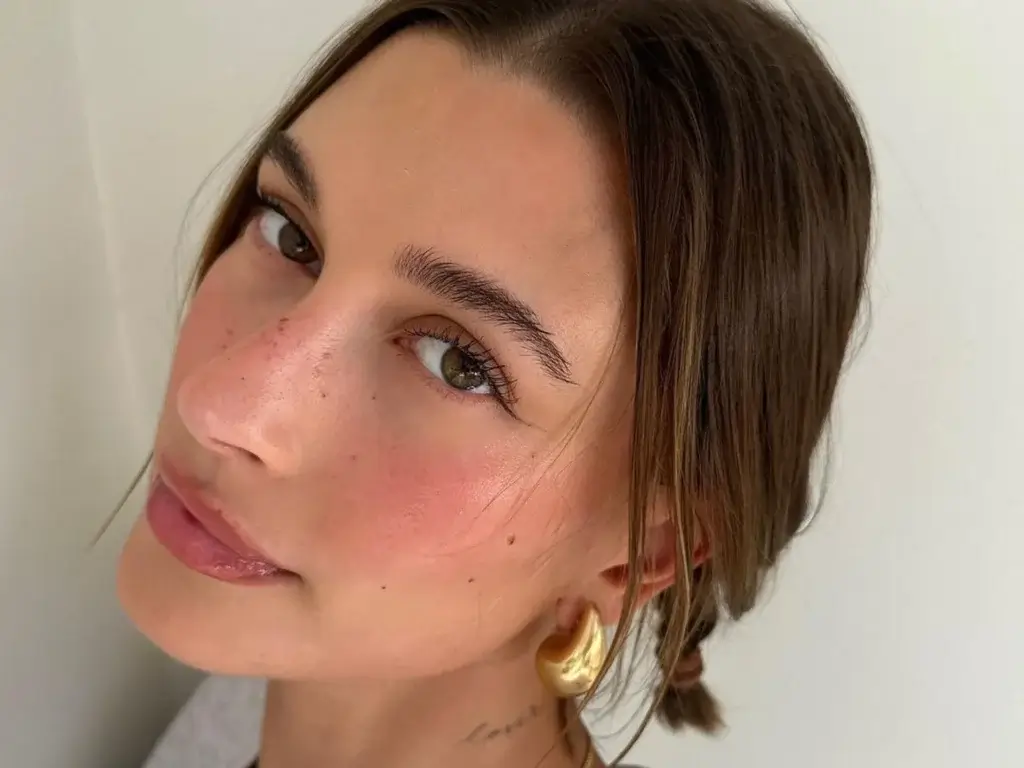
Around 2024, the trend transitioned from stylised naturalism to genuinely bare-faced appearances. NewBeauty Magazine pointed out the distinction: minimal make-up is an art of illusion, while no-makeup is a decision rooted in vulnerability and confidence.
Reddit forums and UK-based lifestyle sites link this movement to post-pandemic fatigue, inflation-related budget cuts, and growing environmental awareness.
Consumers are seeking simplicity, sustainability, and truth, both in how they live and how they look.
As such, the ‘glow down’ movement is deeply psychological and personal. Celebrity dermatologist Dr Marina Peredo told People that younger clients are increasingly opting for biostimulators and collagen-enhancing injectables which support skin health, rather than just adding volume. They want long-term vitality, and not just temporary enhancement.
At the same time, there is a definite cry in society for authenticity. Self-determination theory, a foundational concept in psychology, states that well-being is closely linked to autonomy and authenticity. When people feel they’re making decisions based on their values rather than social pressure, their self-esteem rises. In beauty culture, this means embracing the features we were born with. This might mean embracing perceived flaws.
Research from Elle Canada further suggests that overfilled lips and artificial symmetry can trigger feelings of mistrust in others. Natural appearances, on the other hand, often foster warmth, approachability, and confidence.
Finally, there’s the economic factor. The average UK woman spends over £400 a year on make-up and £1 500 on skincare, not to mention aesthetic treatments like fillers and Botox. In a cost-of-living crisis, many are questioning whether the pursuit of flawlessness is worth the financial and emotional toll.
After showing up bare-faced at Paris Fashion Week in 2023, Pamela explained her motivation to People: “I don’t have to be cool anymore. I can just be me.” What began as a personal choice became a statement.
Her decision came after the death of her longtime make-up artist, Alexis Vogel. “Since Alexis passed away, I just felt… it’s better for me not to wear makeup,” she told Woman & Home UK. For Pamela, the move wasn’t just about beauty. It was about grief, authenticity, and rediscovery.
“It’s freeing, fun, and a little rebellious,” she says. “I’m learning to laugh with the mirror.”
On a broader cultural level, the glow-down represents a rebellion. At a time when AI-generated avatars are setting unrealistic beauty standards and filters are standard, choosing your real face is defiant. It reclaims the narrative of beauty from algorithms and returns it to humanity.
Celebrities like Pamela Anderson are redefining what glamour looks like. It seems their followers are listening.