


CO₂ stands for carbon dioxide, a naturally occurring gas made of one carbon atom and two oxygen atoms. For those of us who had science in high school, we may link CO₂ with the colourless, odourless gas we breathe out. Therefore, we may associate CO₂ with a “waste” gas.
But the reality is, is that CO₂ is also the gas plants take in during photosynthesis to create oxygen and energy, and when it comes to the world of aesthetics, it has equal magical powers.
Because, when it is used in aesthetic treatments, specifically the CO₂ laser, it can help rejuvenate and even “heal” the skin.
How CO₂ Lasers Do Their Job, And Work Their Magic
Invented in 1964 by Kumar Patel at Bell Labs, the CO₂ laser emits infrared light at a wavelength of 10,600 nm (nanometer, a unit of length equal to one billionth of a meter), which is highly absorbed by the water in the skin. This energy then gently vaporises tiny layers of skin, allowing the laser to remove damaged skin precisely without harming the surrounding area.
The CO₂ laser also heats deeper tissue to stimulate collagen remodeling and new tissue formation. The skin then heals over several days to weeks, resulting in a smoother, firmer, and more even-toned complexion, making it great for those who want to improve the appearance of deeper wrinkles, scars, and severe photodamage.
Leading CO₂ Laser Brands
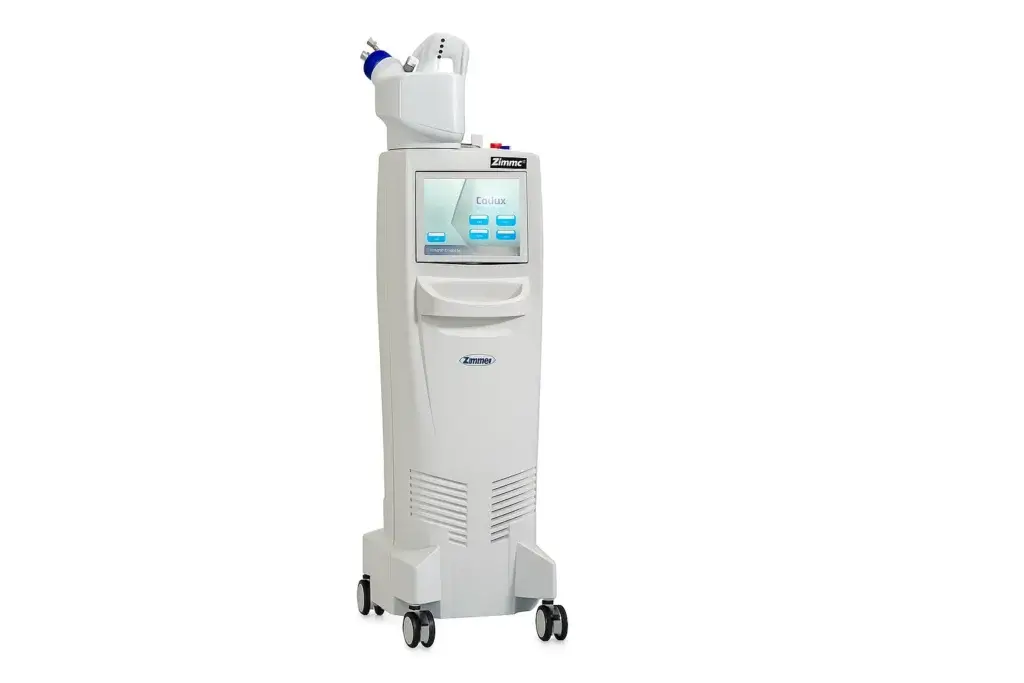
Here are some of the top CO₂ laser brands patients are raving about:
| Brand | Key Laser Model(s) | Primary Strengths & Features |
| Lumenis | UltraPulse CO₂ Laser | This is considered one of the most powerful aesthetic CO₂ lasers available. It can penetrate deeply and precisely remove damaged skin while minimising bleeding, making it perfect for scar treatment and deep skin resurfacing. |
| Lumenis | AcuPulse CO₂ Laser | Highly versatile with SuperPulse™ technology and 11 built-in treatment modes, balancing effectiveness with patient comfort and lower risk of side effects. |
| DEKA | SmartXide Tetra CO₂ Laser | This device offers strong ablative capability alongside gentler “CoolPeel” modes for resurfacing with reduced downtime. Used for both aggressive resurfacing and subtle/coagulative treatments. |
| Fotona | N/A (Multi-Wavelength Focus) | A major player in the multi-wavelength aesthetic laser market. Systems feature advanced Adaptive Structured Pulse (ASP) for safe, effective, and precise energy delivery with minimal side effects. |
| Syneron Candela | CO2RE | Known for offering a good balance between fully ablative and fractional resurfacing. Trusted for its clinically validated systems, strong R&D, and broad portfolio. |
Let’s Look At Some Satisfaction Rates
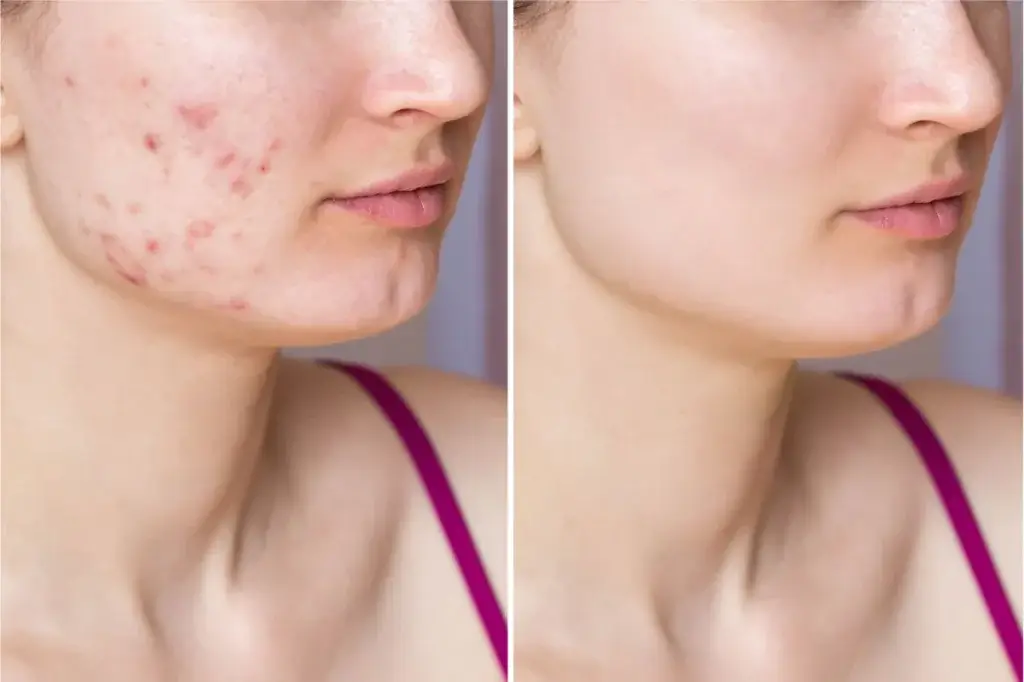
Studies show that fractional CO₂ laser treatments deliver impressive results and high patient satisfaction. Let’s have a deeper look:
In a review of nearly 100 patients who had over 100 treatments, most people said they were happy with their results. Another smaller study with 24 patients found that, on average, people were slightly more satisfied with the treatment than they had expected beforehand. After three sessions, patients not only felt more satisfied with their results but also noticed big improvements in how they felt about their skin and their confidence in their appearance.
In a study of 25 patients with non-hypertrophic traumatic or burn scars, 60% achieved “excellent” improvement and 24% showed “good” results, demonstrating the laser’s ability to transform even challenging skin concerns.
What Is The Secret Sauce That Makes CO₂ Lasers Just So Incredible
Precision
One of the primary strengths of CO₂ lasers is their precision. The laser can be focussed to a tiny spot, often less than 0.2 mm in diameter, allowing practitioners to target specific areas without affecting surrounding tissue. This precision minimises side effects, reduces the risk of scarring, and ensures high-quality results.
Versatility
Modern CO₂ lasers come equipped with multiple treatment modes to suit a variety of aesthetic needs. For example, devices like the Lumenis AcuPulse offer SuperPulse™ technology and multiple settings, allowing clinicians to choose between deeper resurfacing for wrinkles and scars or gentler fractional modes for minimal downtime.
Effective For A Wide Range Of Conditions
CO₂ lasers are highly effective for treating deep wrinkles, fine lines, acne scars, surgical scars, and sun-damaged skin. This is all thanks to their ability to precisely ablate tissue while stimulating collagen production, which makes them ideal for both resurfacing and scar revision.
Controlled Healing
Unlike traditional abrasive skin treatments, CO₂ lasers offer controlled thermal injury. This means, by heating the dermis while removing the epidermis (the outermost layer of your skin), these lasers trigger the skin’s natural healing response. And naturally, this controlled healing minimises the risk of hyperpigmentation, prolonged redness, or other complications common with older resurfacing methods.
Other Uses Of Carbon Dioxide In Aesthetics
- Carboxytherapy (CO₂ Injections): Sterile carbon dioxide gas is injected just beneath the skin, where it immediately triggers localised vasodilation (the widening of blood vessels), increasing blood flow, oxygen delivery, and nutrient exchange in the treated area. This enhanced circulation stimulates fibroblast activity and encourages the natural production of collagen, elastin, and new microcapillaries. As the tissue becomes better oxygenated and more metabolically active, the skin gradually gains firmness, improved elasticity, and a smoother, more refined texture. Carboxytherapy is also used to break down subcutaneous fat deposits and reduce fluid retention, making it beneficial not only for facial rejuvenation but also for treating cellulite, stretch marks, and under-eye dark circles.
- CO₂ In Cryotherapy Devices: In cryotherapy devices, carbon dioxide is used to rapidly cool the skin, creating a controlled, intense cold exposure. This temperature drop causes immediate vasoconstriction (the narrowing or tightening of blood vessels), followed by a rebound vasodilation once the skin begins to rewarm. The cycle helps stimulate circulation, reduce inflammation, and encourage cellular repair. Over time, repeated treatments can help refine skin tone, calm redness, and tighten the appearance of pores, offering a refreshing, rejuvenating effect.
- CO₂ In Pressurised Jet Treatments: Pressurised CO₂ jet systems deliver a high-velocity stream of carbon dioxide (often combined with saline or active serums) across the skin’s surface. This creates a gentle kinetic exfoliation (a form of exfoliation that uses movement and force, rather than abrasive particles or chemical ingredients) while simultaneously cooling and increasing oxygen delivery to tissues. The pressure enhances penetration of topical ingredients, making the treatment ideal for boosting hydration, smoothing fine lines, and preparing the skin for subsequent procedures. The result is a more radiant, revitalised complexion with immediate visible improvement.
Why CO₂ Lasers Matter
CO₂ lasers have, without a doubt in our minds, transformed the landscape of aesthetic treatments. Their unique combination of power, precision, and versatility allows clinicians to tackle a wide range of skin concerns, from deep wrinkles to scars and sun damage.
However, as with any treatment or procedure, whether surgical, minor surgical, or minimally invasive, risks always exist. While CO₂ lasers are generally safe when performed by trained professionals, patient selection and proper technique are critical. That is why we reiterate: please consult a qualified medical professional before undergoing any procedure. These professionals will assess skin type, medical history, and the specific condition being treated to determine the best settings and treatment approach.
All in all, the ultimate takeaway is as follows: advancements in laser technology, such as fractional delivery and adjustable pulse durations, have made treatments safer and more comfortable than ever. Modern CO₂ lasers allow practitioners to achieve excellent results while minimising downtime and reducing the risk of side effects.
And as technology continues to advance, CO₂ lasers are likely to remain a cornerstone of aesthetic medicine, helping patients achieve smoother, firmer, and more youthful skin with results that are both dramatic and natural-looking.