

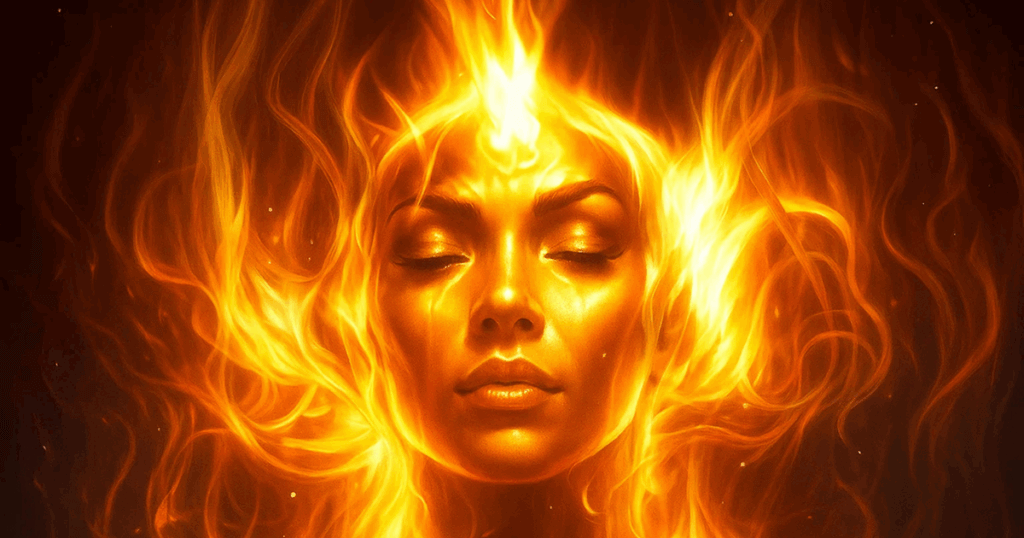
The fire facial is everywhere on social media nowadays. This is as a result of its dramatic visual impact and promised therapeutic effects. As of this year, the hashtag #firefacial has already gathered over 22 million views on TikTok.
The unconventional ‘fire facial’ therapy involves briefly lighting a controlled flame on the face to stimulate rejuvenation. Platforms like TikTok, YouTube, and Instagram are flooded with eye-catching videos of flames flickering across clients’ faces. With such striking visuals, it’s no wonder that talk of the fire facial has gone viral!
While the execution of this facial may sound like something of a daredevil act, it is actually rooted in Traditional Chinese Medicine (TCM) and known as ‘Huo Liao’ in Chinese. TCM practitioners use fire therapy to restore balance to the body’s energy flow, or ‘Qi’.
Historically, fire was employed for its medicinal properties, for example, to ease joint pain. Its cosmetic use came later, as traditional wellness and modern beauty were integrated.
By the late 20th century, spas in cities like Beijing and Shanghai began adapting fire therapy into facial treatments. The practice later spread to Japan and eventually reached Western audiences through social media in the early 2010s.
A Dramatic Visual Display
A typical fire facial begins with a deep cleansing. Moisturising oils or creams are then applied to the treatment area. It should come as a relief to those considering having the facial that the fire doesn’t actually touch the skin directly.
A cloth, soaked in alcohol or a specially formulated herbal elixir is placed on specific parts of the face. This is then briefly ignited.
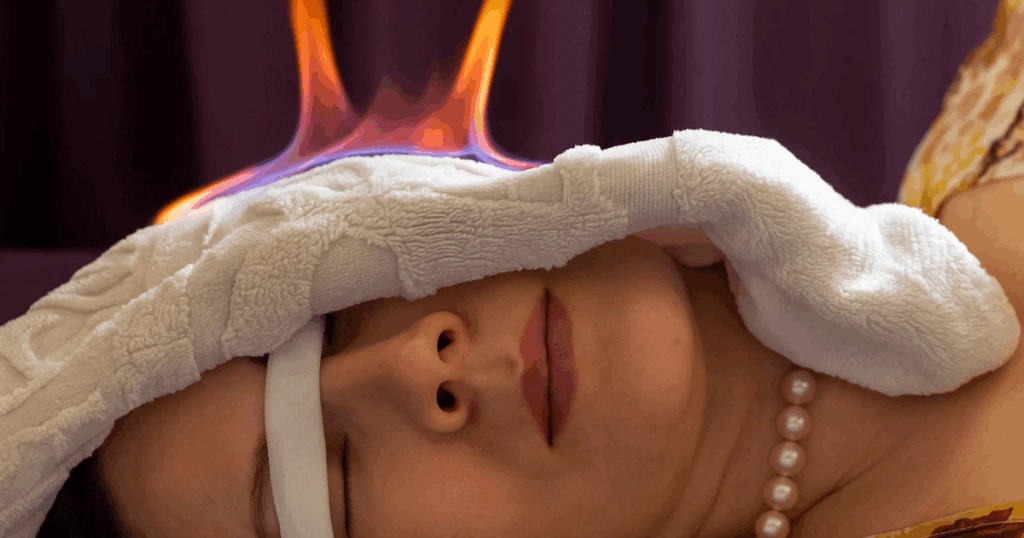
This is the stage of the treatment which is often photographed and aired on TikTok and X, for example.
However bright and intimidating the flame might appear, it is soon extinguished with a damp towel.
The intention of the brief fire is to create a controlled heat surge which stimulates circulation. The session typically lasts 30 to 60 minutes. The actual exposure to the fire is thankfully fleeting.
After the flame is extinguished, the skin is often treated with a cooling serum or massaged to calm any inflammation. The goal is to increase blood flow, boost energy flow (Qi), and kickstart the skin’s natural repair processes.
The facial appeals to those with dull or uneven skin tone, poor circulation, or sagging skin. Advocates claim the heat promotes collagen production, tightens skin, detoxifies pores, and even helps alleviate sinus congestion.
Do Fire Facials Really Work?
A small 2019 study published in the Asian Journal of Beauty and Cosmetology suggests fire therapy can temporarily increase skin temperature and moisture levels. However, long-term benefits remain unproven.
Dermatologists largely agree that while a fire facial may momentarily boost circulation and give the skin a post-treatment glow, safer and more consistent results can be achieved through treatments like LED light therapy or chemical peels.
Lili Wang, a spa owner in Beijing whose salon has offered fire facials since 2012, describes the experience as ‘a deep thermal reboot for your face.’
Beauty journalist Jade Holloway notes its psychological appeal: “There’s something psychologically primal about fire. It adds drama to an otherwise quiet treatment.”
Dermatologist Dr Howard Sobel comments: “If done correctly, it can help stimulate circulation, but it’s not worth the risk for most people.”
Traditional Chinese Medicine practitioner DrLiu Xian, based in Shanghai, adds that the flame in TCM is ‘symbolic’ and ‘used to purge coldness or dampness from the body.’
Despite its growing popularity, the fire facial is not without danger. Reported risks include burns, scarring, hyperpigmentation, allergic reactions, and irritation. Some have called it ‘theatrical and dangerous.’
Other Treatments Which Have Used Fire
Moxibustion
Moxibustion is a therapeutic technique from TCM. It involves burning dried mugwort (moxa) near or directly on the skin at specific acupuncture points.
It is used for medicinal purposes but also has aesthetic applications. Some modern wellness clinics promote moxibustion for facial rejuvenation. Professionals from these clinics claim it enhances blood flow and reduces signs of aging.
Fire Cupping
Fire cupping is another ancient TCM therapy. Here a flame is briefly introduced inside a glass cup to create a vacuum before placing it on the skin. The suction stimulates blood flow, eases muscle tension, and is believed to release toxins. This technique was first used for pain and inflammation. Today it has found a niche in beauty, especially for body sculpting and facial rejuvenation.
Ayurvedic Agni Therapy
‘Agni’ refers to the body’s internal fire which governs digestion and vitality. Some Ayurvedic practices involve the external use of controlled fire or heat during massages or detox rituals. Treatments may include warm herbal compresses or flame-sweeping techniques. While not strictly cosmetic, these practices are increasingly offered at luxury spas. They promote detox, anti-ageing, and skin renewal.
Is The Fire Facial Here To Stay?
The fire facial is as trending as it is ancient. Fire facials are sometimes paired with acupuncture in Chinese wellness practices. This is believed to create a so-called ‘energy reset’ across the entire body.
In some TCM clinics, similar flame-based therapies are applied to the back or abdomen for digestive or muscular relief. There are even rumours that several K-pop idols and Asian film stars have experimented with the treatment, further fueling its allure.
While some swear by the results, experts overwhelmingly recommend caution. For those considering the treatment, it’s vital to research thoroughly, ensure the practitioner is properly trained, and understand the risks involved.
As Dr Green aptly puts it, “The best skincare fire is still metaphorical. Aim for glow, not flame.”