

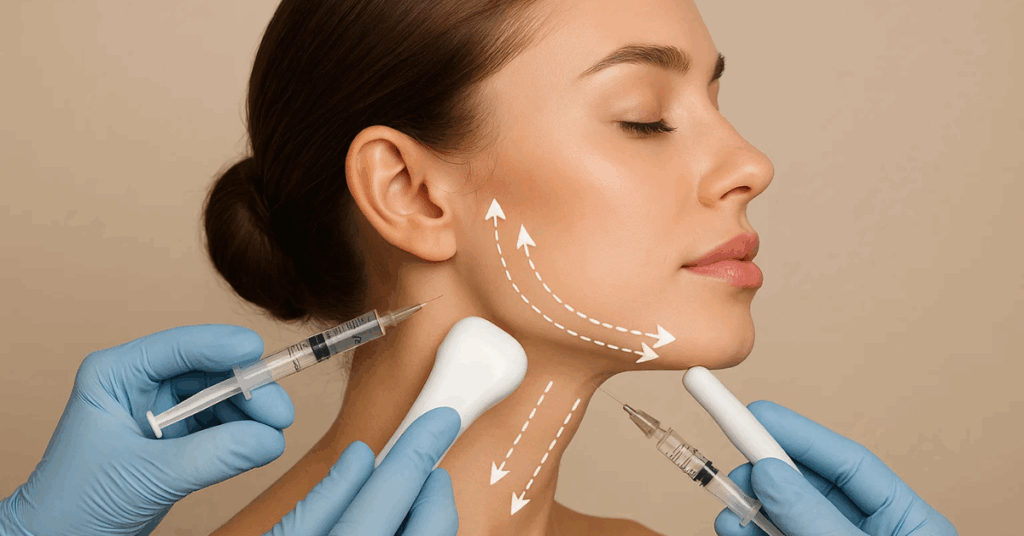
There are things about our physiology which we don’t even know exist when we are younger. It’s only when we get older and look in the mirror that we notice them, as our body ages and our faces change. One of these is ‘jowls’.
The term ‘jowls’ refers to the skin and soft tissue which begins to hang below the jawline on either side of the chin as we age.
These jowls are actually in existence on everyone’s face. However, they become more prominent as we age, and the skin loses elasticity and volume. This can make the face look older or less structured.
Plastic surgeon Dr Dara Liotta explains: “Jowls are part of the natural ageing process, but environmental and lifestyle factors can accelerate how soon and how severely they appear.” Genetics, sun exposure, smoking, weight fluctuations, and even posture all contribute to their development.
Sagging jowls are one of the most common signs of ageing and they often become more noticeable when we are in our 40s and 50s.
Since jowls affect the lower part of the face, they create a softer, less-defined jawline and sometimes adding a tired or drooping appearance.
Plastic surgeon Dr Nerina Wilkinson writes: “The jawline is one of those things we tend to take for granted, and unlike your hips and tummy, we cannot hide them away in those Woolworths spandex tights.”
Fortunately, there are many non-invasive ways you can address sagging jowls, without going under the knife.
Non-Invasive Treatments Which Actually Work
Surgical facelifts used to be the go-to option for lifting sagging jowls. However, there has been a shift toward less invasive methods. These methods offer noticeable results with less risk, downtime, and cost.
Here are a few of them:
Radiofrequency (RF) Skin Tightening
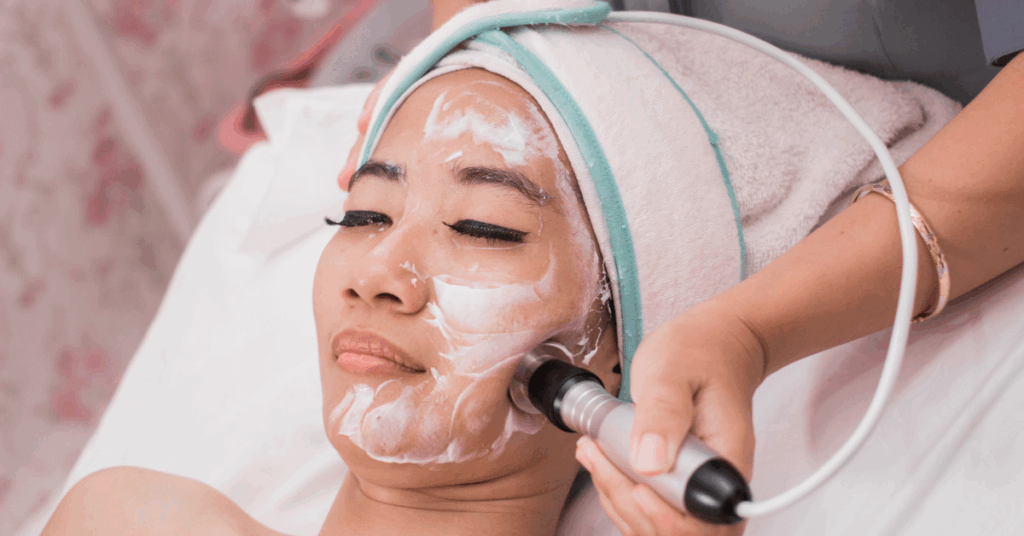
One of the most popular options for tackling sagging jowls is radiofrequency (RF) skin tightening.
This technology uses energy to heat the deep layers of the skin. As the dermal layers are stimulated, collagen production is enhanced and the tissues are tightened.
Thermage or Morpheus8 are among the treatments which can visibly firm the jawline over a few sessions.
High-Intensity Focused Ultrasound (HIFU)
Another effective treatment for lifting sagging jowls is High-Intensity Focused Ultrasound (HIFU). This popular treatment delivers focused ultrasound energy. It is used to stimulate deep layers of the skin. Devices like Ultherapy can lift the jawline with results that build gradually over months and last up to a year or more.
Injectables
Injectables have become increasingly popular in beauty circles. They’re quick, with minimal downtime, and in many instances, with fast results. They are also part of the non-surgical arsenal available for confronting unsightly jowls.
While dermal fillers are often used to plump cheeks or lips, they can be strategically placed in the jawline and chin to add structure and restore a more youthful contour.
These techniques can be combined with neurotoxins, like Botox, to relax the platysmal bands in the neck, to create impactful improvements.
Threat Lifts
Thread lifts are another option. These involve placing temporary dissolvable threads under the skin to lift sagging tissue mechanically. The threads also stimulate collagen production as they dissolve.
While these are not permanent, they can offer a refreshed look for 12 to 18 months. The treatment also has minimal downtime.
At-Home Remedies and Lifestyle Support
There are also several at-home practices which can support skin firmness and help delay the appearance of jowls. Here are just some of them:
Massage
Regular facial massage can improve lymphatic drainage, increase blood flow, and stimulate collagen production. While it won’t reverse sagging skin, it can offer mild toning benefits over time.
Skincare Ingredients
Topical skincare also plays a supporting role. Look for ingredients such as retinoids, peptides, and vitamin C. These can help increase collagen and improve skin elasticity.
Sunscreen
Wearing sunscreen daily is a critical habit to develop. Put sunscreen on before going outdoors. UV damage is a major accelerant of collagen breakdown. This can affect the delicate jaw and neck area.
Nutrition
Good nutrition is always king where health and beauty is concerned. This goes a long way in helping to keep the skin looking young and glowing. Protein-rich diets will support collagen synthesis. Drink regular water to ensure you are well-hydrated and eat foods rich in antioxidants. These will help maintain skin resilience. Quitting smoking and drinking can also slow down the process of ageing and delay the sagging of jowls.
Posture
Maintaining a good posture helps to keep neck muscles in top form. ‘Tech neck’ has become a real thing. This is where people look down at phones for extended periods. As a result of this, the skin and muscles of the neck and jawline are under more strain than ever before.
Maintaining good posture and taking regular screen breaks can help prevent muscle weakening and sagging.
The Future Of Jowl Treatment
As technology continues to evolve, more and more personalised treatments for addressing jowls are being developed.
Future treatments will no doubt include genomics, AI-driven skin diagnostics, and regenerative therapies, like stem cells or exosomes.
For now, however, the combination of non-invasive technology, proactive skincare, and informed lifestyle choices offers a powerful solution for anyone looking to tackle sagging jowls naturally and effectively.
We advise always consulting with a medical professional before considering any treatment, including treatment for sagging jowls.