

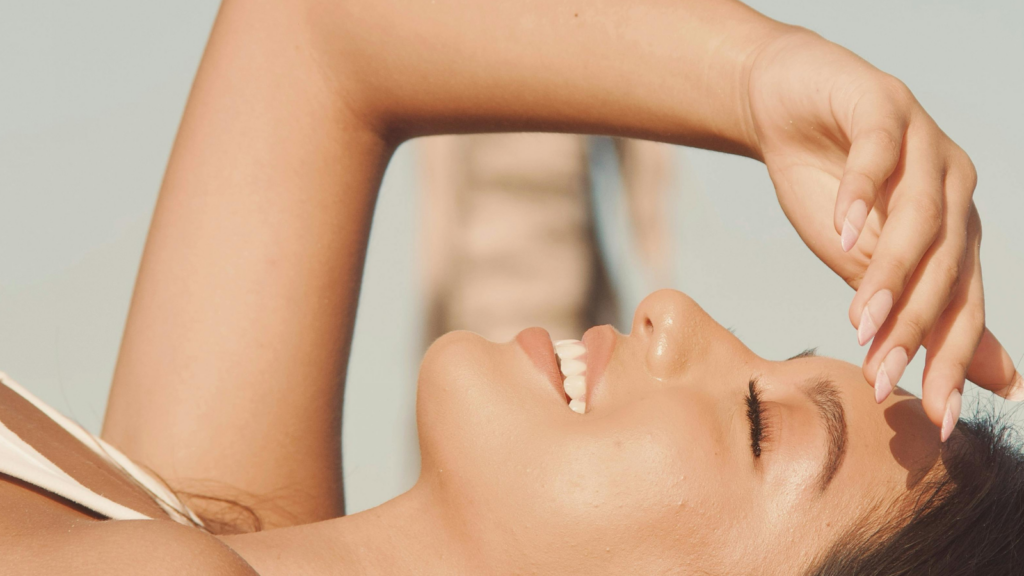
Beach skin has become the new ‘glass skin’ in beauty and aesthetics. Scroll through TikTok, Instagram or Pinterest and this beauty trend is impossible to miss.
‘Beach skin’ is characterised by luminous, bronzed complexions, flushed cheeks, glossy lips and skin which appears kissed by the sun rather than covered in foundation.Unlike previous beauty crazes which have relied on dramatic contouring or elaborate techniques, this trend is surprisingly understated. It is about looking as though you’ve just stepped off a yacht in the Mediterranean or returned from a relaxing holiday by the sea.
Why are we so drawn to this look?
While social media has undoubtedly accelerated the trend, psychologists and beauty experts suggest its appeal is rooted in something much deeper than viral videos. Beach skin represents health, happiness, confidence and even nostalgia. These are all qualities people instinctively find attractive.
The Healthy Glow Effect
For decades, research in psychology has shown that humans make rapid judgments about health based on facial appearance. A complexion with warmth, even colour and a subtle glow is often subconsciously associated with vitality and wellness. In contrast, dull or uneven skin can be interpreted as tiredness or illness, even when this isn’t the case.
Beach skin plays directly into these perceptions.
The gentle bronze tones mimic increased blood circulation and outdoor activity, while the strategic placement of blush across the cheeks and nose recreates the natural flush many people develop after spending time outside.
Unlike heavy contouring, which reshapes facial features, beach skin enhances cues our brains already associate with good health.
Interestingly, this doesn’t necessarily require a tan. Make-up artists achieve the effect using warm bronzers, terracotta blushes and luminous skin products which imitate the appearance of healthy skin rather than actual sun exposure.
The Emotional Connection To Holidays
Beach skin is also about memory. Psychologists have long recognised that sensory cues, including colours, scents and visual appearances, can trigger positive emotional associations. For many people, bronzed skin evokes memories of holidays, relaxation, freedom and time away from everyday responsibilities.
A sun-kissed complexion reminds us of long afternoons outdoors, swimming in the ocean, warm evenings with friends and carefree summer adventures.
Even when recreated entirely with make-up, the look carries those emotional associations. Beauty trends rarely exist in isolation; they often reflect the lifestyles people aspire to. Beach skin is about selling the feeling of being relaxed, healthy and happy.
We put together some tips for getting beach skin without having to spend time in the sun:
Well-Hydrated Skin
The secret to recreating the look begins long before make-up is applied. Well-hydrated skin naturally reflects light more evenly, giving the complexion a healthy luminosity that foundation alone cannot achieve.
A gentle cleanser followed by a hydrating serum and lightweight moisturiser creates the ideal canvas, while a broad-spectrum sunscreen remains an essential final step.
“Less Is More’ Foundation
When it comes to foundation, less is definitely more. Heavy, full-coverage formulas can detract from the relaxed appearance that defines beach skin. Instead, choose a lightweight foundation, skin tint or tinted moisturiser that evens out your complexion while allowing your natural skin texture to remain visible. Applying the product with a damp make-up sponge helps press it seamlessly into the skin, creating a finish that looks more like your own complexion than a layer of make-up.
Bronzer
Bronzer plays a central role in the beach skin aesthetic, but the goal isn’t dramatic contouring. Rather than sculpting the face, bronzer should simply recreate the warmth that the sun naturally leaves behind.
A light application across the forehead, cheeks, bridge of the nose and chin adds dimension while maintaining a believable finish. Cream bronzers are particularly effective because they blend effortlessly into the skin and create a soft, natural glow.
One of the defining features of beach skin is the subtle flush that comes from spending time outdoors. Cream blushes in peach, coral or warm pink shades work beautifully to recreate this effect. Applying blush not only to the cheeks but also lightly across the bridge of the nose gives the impression of healthy, sun-warmed skin without exposing yourself to harmful ultraviolet rays. The colour should appear soft and diffused rather than bold or sharply defined.
Let The Freckles Show
Unlike previous beauty trends that encouraged complete coverage, beach skin embraces individuality. If you have natural freckles, let them show. They contribute to the effortless charm of the look and reinforce the sense that your skin is genuinely fresh and untouched.
Keep It Understated
Brows and eye make-up follow the same philosophy. Softly brushed-up brows framed with a clear or lightly tinted brow gel appear youthful and relaxed, while eye make-up remains understated. Neutral cream eyeshadows, curled lashes and a light coat of mascara complement the complexion without distracting from it. Brown mascara has become particularly popular for this trend because it creates definition while maintaining a softer appearance than traditional black mascara.
The lips should also appear fresh and hydrated rather than heavily made up. Glossy lip oils, tinted balms and sheer nude or peach shades enhance the natural look while adding a healthy shine that complements the dewy complexion.
Why Bronzed Skin Still Appeals
The popularity of bronzed complexions isn’t new. Throughout history, beauty standards surrounding skin tone have shifted dramatically. During some periods, pale skin symbolised wealth because it suggested a life spent indoors, while in other eras, a tan became associated with leisure, travel and affluence.
Today, a subtle bronze often communicates an active lifestyle. It suggests time spent outdoors, holidays, exercise and wellness… even if the glow comes entirely from make-up!