

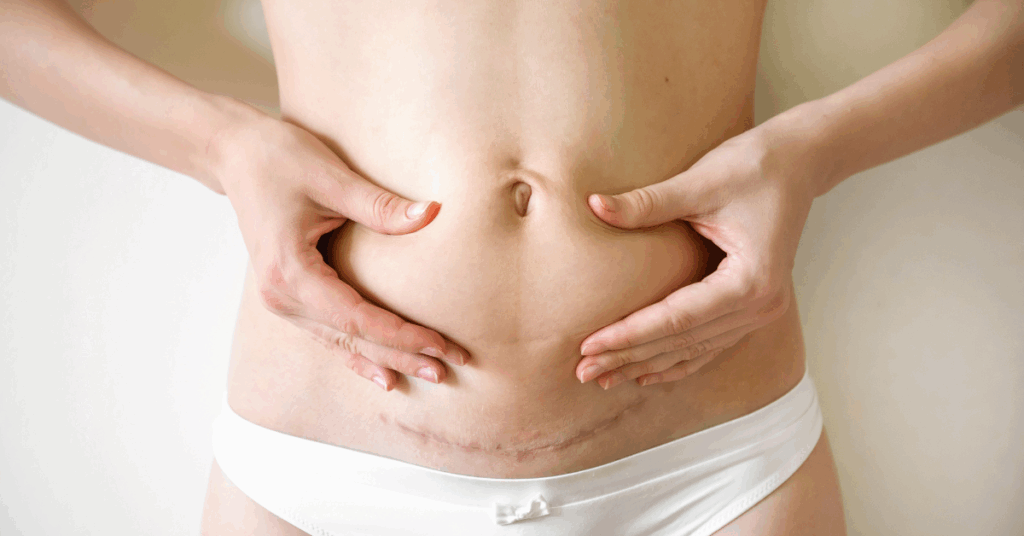
Caesarean sections are a common method of childbirth, but they often leave behind a lasting reminder in the form of a scar. Research has shown that nearly 1 in 3 women feel self-conscious about their C-section scar, especially when wearing swimwear or during intimacy.
According to a 2020 survey by BabyCentre UK, 42% of C-section mothers said they were not prepared for the emotional impact of the scar, and 27% considered treatments to reduce its appearance. Scar visibility, especially in younger mothers, has even been linked to feelings of shame or disappointment in birth expectations.
“There’s nothing vain about wanting to feel whole again,” says Dr Jennifer Lincoln, OB-GYN and author of Let’s Talk About Down There. “Every woman deserves the option to heal in a way that respects both her physical and emotional needs.”
iCliniq writes: “The first C-section was reported to have occurred in 1020 AD; ever since it has evolved remarkably. Many women deliver their babies through C-sections. According to a report, approximately 32 percent of all live births in the United States are delivered through this procedure.”
“Many moms who’ve delivered their babies via cesarean section have a love-hate relationship with their C-section scar,” says The Bump. While many women embrace their C-section scar as a badge of strength and motherhood, others may seek ways to reduce its appearance for physical or emotional comfort.
Fortunately, today’s non-invasive treatments offer several promising options which don’t require additional surgery or downtime. Here are just a few of them:
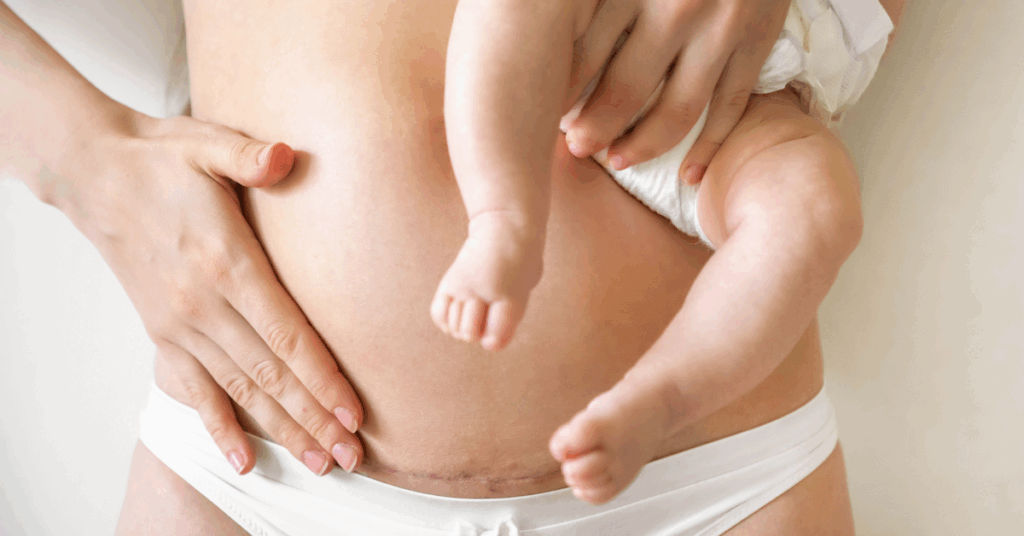
Silicone Therapy
Silicone gel sheets and silicone-based scar creams are widely considered the gold standard in non-invasive scar management. These products hydrate the scar tissue, reduce redness, and soften raised scars over time.
A study published in the Journal of Cutaneous and Aesthetic Surgery found that 70% of patients using silicone sheets reported visible improvement in their surgical scars within 12 weeks. These products are also safe for sensitive postpartum skin and are often recommended by dermatologists.
Microneedling
Microneedling and fractional laser treatments are also popular among postpartum women for softening scar tissue and evening out skin texture. They are also minimally invasive.
Microneedling uses tiny needles to stimulate collagen production and break down fibrous scar tissue. “Microneedling can help remodel the scar from the inside out,” says Dr Anita Sturnham, a London-based skin specialist. “It’s particularly effective for hypertrophic or tethered scars, and recovery time is minimal.”
Laser Therapy
Laser therapy is another option. These treatments target pigment and stimulate skin regeneration without breaking the surface.
Most women require three to six sessions, spaced about four weeks apart. While more costly than silicone therapy, these methods can produce dramatic results with minimal discomfort.
Massage And Myofascial Release Therapy
A C-section scar might not just cause aesthetic concerns. It can also be a source of pain and discomfort for some women.
Scar massage is a low-cost, effective method which can improve circulation, break down adhesions, and reduce tightness around the scar. Trained therapists often use myofascial release techniques to release tension in the connective tissue that surrounds the scar. Over time, this can improve mobility and reduce pain.
“Many women don’t realise their lower back pain or pelvic misalignment is linked to scar adhesions,” notes Claire Mockridge, a UK-based women’s health physiotherapist.
Starting massage therapy about six weeks post-surgery is generally recommended. Regular sessions over several months can help restore normal tissue function and reduce discomfort.
Topical Treatments And Regenerative Skincare
Several skincare lines now include ingredients like Centella Asiatica, hyaluronic acid, and vitamin E, which have been shown to support skin healing. While not as powerful as silicone or medical treatments, these serums and creams can help improve hydration and elasticity, especially when combined with massage.
Some emerging products also use growth factors or peptides, designed to stimulate cell regeneration at a deeper level. While more clinical trials are needed, early studies show promise for improving scar tone and texture.
Empowering Recovery Through Choice
Choosing to treat a C-section scar is a personal decision. For some, the scar is a beautiful symbol of resilience and motherhood. For others, it may represent a difficult or unexpected journey. As Megan C. from New York related in The Bump: “I don’t like having a scar, but when I see it I’m reminded that I brought four healthy children into the world. It’s like a badge of honour.” Megan has delivered four of her children through C-section delivery.
The growing range of non-invasive treatments offers women flexible, safe options to reclaim comfort in their postpartum bodies.
As awareness grows around C-section recovery, the conversation is shifting. It’s no longer just about survival. Rather, it’s about thriving in your new body, with dignity, care, and support.