

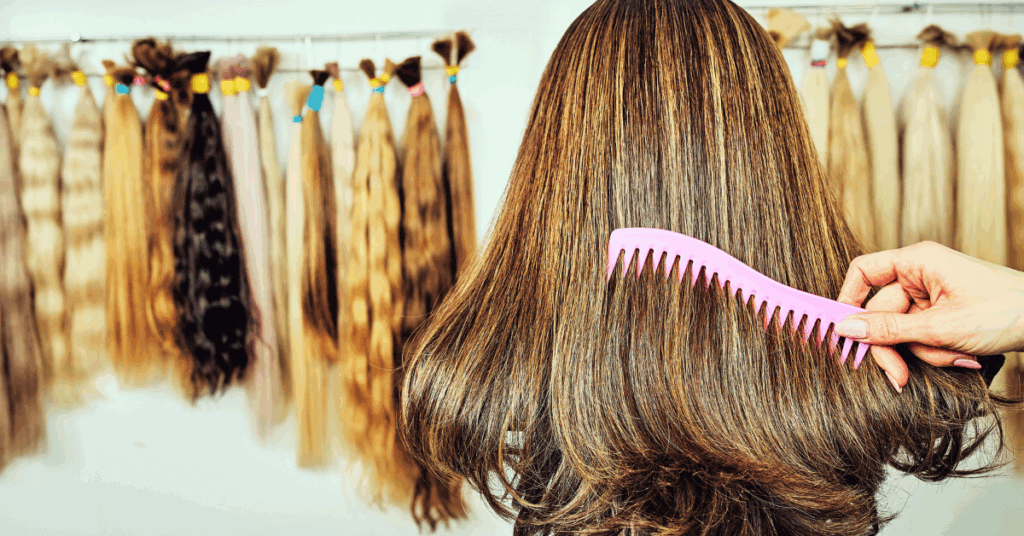
Wig-Mania is a vibrant beauty trend dominating social media, celebrity fashion, and street style across the globe. At its core, this movement is about transformation, self‑expression, and a love of hair as a form of art.
The movement features everything from bold lace front wigs and rainbow-coloured synthetic styles, to shimmering hair tinsel and oversized bows. It redefines hair fashion as a tool of self-expression and transformation.
With searches for ‘hair tinsel wigs’ and ‘glueless lace front wigs’ spiking on platforms like Pinterest and Google Trends, Wig-Mania is more than a viral moment. Beauty and fashion enthusiasts have called it a ‘full-blown aesthetic revolution’!
American guitarist Frank Zappa famously said: “All the good music has already been written by people with wigs and stuff.” His reference was to rockstars sporting wigs on stage as part of their larger-than-life presence.
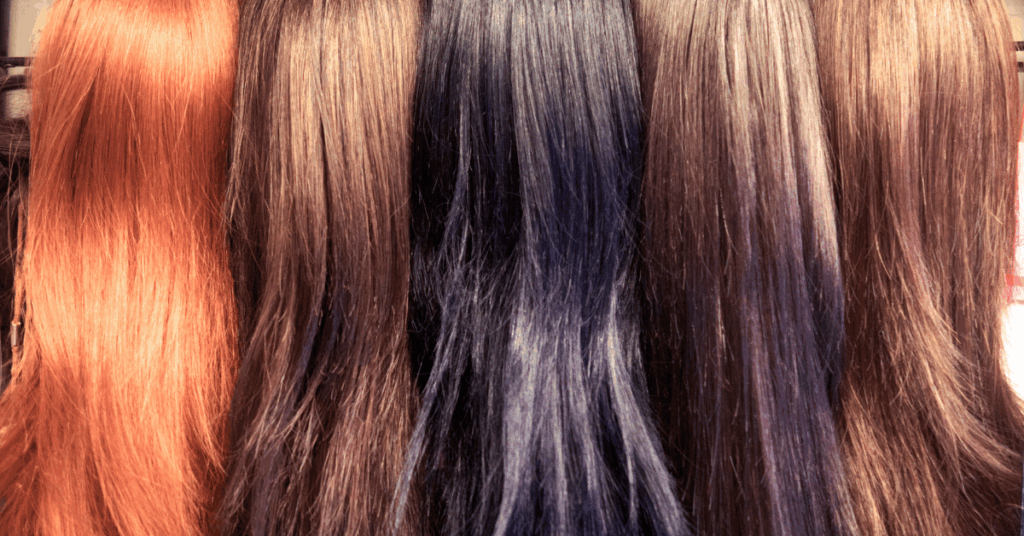
In many ways, this is the kind of image which comes to mind when wigs are mentioned.
However, it seems from the many articles on this explosive trend, that wig-mania is for everyone. Several factors are fueling the movement. One of these is the resurgence of Y2K aesthetics. These are sparkly, playful, and nostalgic. In a Dazed feature, hair historian Rachael Gibson highlights how tinsel hair first surged in the early 2000s. This returned for a moment in the mid‑2010s, and now has come full circle again.
“Tinsel hair is one of those trends which feels like it brings people together,” says Millie Noble, who has sported pink and yellow tinsel since 2023. “It’s an automatic mood lifter for me and everyone around me… I feel like a unicorn.”
The film Anora has also driven a spike in this look. Actress Mikey Madison stars as Ani, whose subtle make-up and bold tinsel‑flecked strands became an instant aesthetic hit.
Make-up artist Monica Monteiro says of hair tinsel: “I love that it looks like the hair from my Barbies from the 90s.…” Taylor Quitara, who first sampled tinsel hair in 2009, describes it as “cute but also badass.”
Wig‑mania is shaping hair trends worldwide. It appears across Instagram mood boards from Pinterest’s ‘Wig Mania’ collections, in TikTok videos showcasing oversized bows atop glueless wigs, and inside online shops like ImStyleWigs, which now hosts entire tinsel‑wig collections. Brands such as Manic Panic are offering vivid, heat‑styleable synthetic wigs in bold hues to fuel individualistic expression.
Major market regions include New York, where glitter tinsel has been spotted on bustling streets, as well as London and Los Angeles where runways and salons are embracing statement hair.
What Does Wig‑Mania Include?
Hair Tinsel
Hair tinsel is ultra‑thin, metallic fibre taped strand by strand into natural or wig hair. It’s cheap, easy to install, and lasts one to two weeks
Lace Fronts and Full Lace Wigs
Wig Elegance and other boutiques emphasise undetectable lace front wigs and pre‑styled textures, such as straight, waves, or curls. These require minimal upkeep. Pinterest boards show growing interest in full lace 360 water wave pieces and glue‑free installments.
Accessory Add‑Ons
Beyond tinsel, wig‑mania incorporates ribbons, bows, butterfly clips, and hair chains, often attached via clips or sewn into lace front caps. TikTok viral clips demonstrate oversized bow add‑ons clipped onto sleek wigs.
Where There’s A Wig, There’s A Way
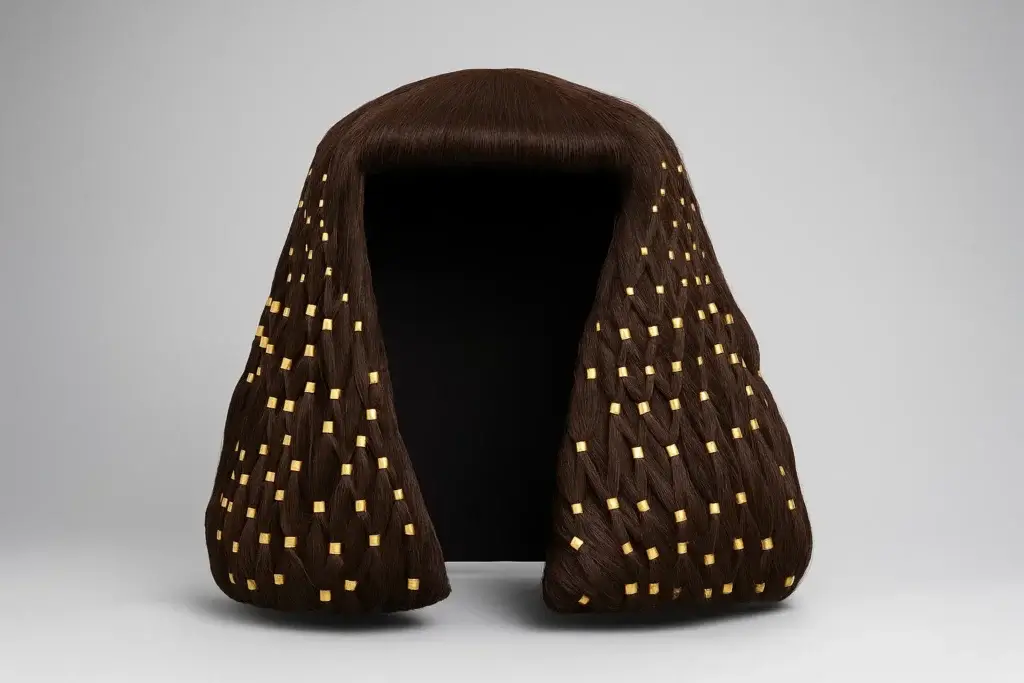
Wigs have a long history. They were first worn in ancient Egypt. Yes, when Cleopatra and Anthony and King Tut were trendsetters, wigs were already in fashion then. Here, they were worn as protection against the sun and as symbols of status.
In ancient Egypt they were often crafted from human hair, palm fibres, or sheep’s wool.
They were also worn in ancient Greece and Rome. Here, they gained popularity among the elite, serving both aesthetic and theatrical purposes.
The wig trend was revived dramatically in 17th-century Europe, particularly in France under Louis XIV. During this time, elaborate powdered wigs became a hallmark of aristocracy and authority.
During the 18th century, wigs were closely tied to fashion and professionalism, especially for men in law and politics.
By the 19th century, wigs fell out of mainstream fashion in favour of natural hair, though they remained in use in courtrooms and religious contexts.
In the 20th century, wigs found new life through Hollywood glamour, and the rise of synthetic hair technologies. Today, wigs have exploded in popularity as tools of self-expression, fashion experimentation, and medical necessity, driven by social media trends, celebrity influence, and an increasing embrace of beauty diversity.
Wig-mania has now taken centre stage. It reflects how wigs have evolved from status symbols to accessible, dynamic extensions of personal identity.
Cultural Impact
The wig‑mania movement speaks to identity and transformation. It allows bold change without permanence. Those donning wigs claim that it is ideal for expression, as well as for healing hair loss, or just indulging in play.
As Gibson points out, the trend is ‘easily tied to a very, very nostalgic aesthetic of the past… Tumblr visuals, chunky glitter make-up, early Beyoncé.’
It is an invitation to sparkle daily, whether through subtle tinsel strands or full‑on rainbow wigs.