

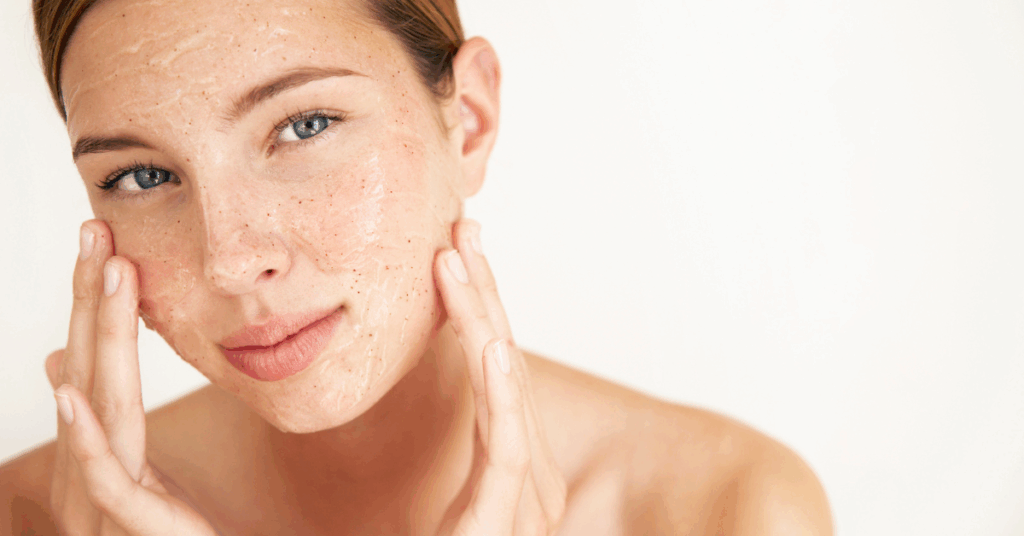
Exfoliation is one of the most misunderstood steps in beauty routines. A question everyone seems to ask is: How often should we exfoliate?
I know that I often forget to exfoliate and when I do, I possibly go a little overboard. Is there a golden rule when it comes to exfoliation, because if there is, I would like to know it.
Some friends advocate for a daily scrub, while dermatologists tend to warn against overuse. Others point out that skipping exfoliation entirely can leave skin looking tired, dry, and dull. With such differing opinions, it’s no wonder that I and countless other women are suitably confused about how to implement exfoliation in a skincare routine with success.
This article explores the difference between physical and chemical exfoliation (you want to know, right? I know I did). Also, how to avoid common mistakes, and why natural remedies are gaining popularity.
What Is Exfoliation And Why Do We Need It?
Exfoliation is the process of removing dead skin cells from the surface of the skin. Why is this necessary? I was surprised to read that our bodies naturally shed around 30 000 to 40 000 skin cells every minute. However, sometimes these cells linger, causing rough texture, clogged pores, and breakouts. Proper exfoliation can brighten the complexion, improve absorption of serums and moisturisers, and even boost collagen production over time.
Dr Anjali Mahto, consultant dermatologist in London, told The Guardian: “Exfoliation is an important part of skin health, but it must be done correctly. Too much and you risk stripping your skin barrier; too little and you’re missing out on its benefits.”
Interestingly, studies have shown that exfoliation may also improve the effectiveness of sunscreen and other protective products by ensuring they’re applied to fresh, receptive skin. That means a little exfoliation could go a long way in supporting long-term skin health.
The Debate: Physical vs Chemical Exfoliation
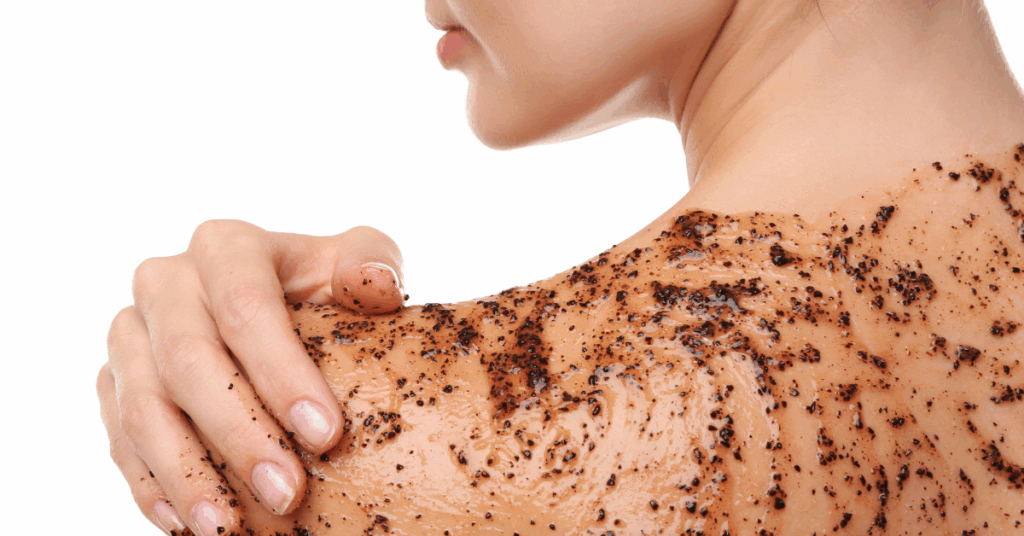
The skincare community is divided into two main camps: physical (or mechanical) exfoliation and chemical exfoliation.
Physical Exfoliation
This involves using scrubs, brushes, or exfoliating cloths to manually slough off dead skin cells. Think sugar scrubs, coffee grounds, or facial brushes. These can deliver instant results but risk micro-tears if used too aggressively.
Chemical Exfoliation
This relies on acids or enzymes to dissolve dead skin cells. Alpha hydroxy acids (AHAs) like glycolic or lactic acid, and beta hydroxy acids (BHAs) like salicylic acid, are common in over-the-counter toners and serums. When used properly, they can be more even and less abrasive than scrubs.
Influencer Caroline Hirons, a British skincare expert with over 700 000 Instagram followers, explains it bluntly: “Scrubs have their place, but chemical exfoliants are often safer long-term. The key is balance. No-one needs to be sanding their face daily.”
How Often Should You Exfoliate?
And now for the golden question… how often should you exfoliate? There is no one-size-fits-all answer. Frequency depends on skin type, age, and the type of exfoliant used.
Oily or acne-prone skin
This type of skin may benefit from exfoliating two to three times a week with BHAs, which can penetrate deep into pores.
Dry or sensitive skin
This should stick to once a week with gentle AHAs like lactic acid or natural remedies like oats.
Normal or combination skin
This skin often does well with twice-weekly exfoliation.
As supermodel and beauty entrepreneur Miranda Kerr once shared: “I exfoliate twice a week with a natural scrub made from rosehip and noni fruit powders. It keeps my skin fresh without irritation.”
The bottom line is that you should exfoliate often enough to keep skin radiant, but not so much that you compromise its barrier. Signs of over-exfoliation include redness, peeling, tightness, and an increase in breakouts.
Home Remedies For Safe Exfoliation
Exfoliants are available in many beauty and also general stores. However, you can also have a little fun and make your own special concoction at home!
Home remedies can be both effective and gentle.
1. Oat and Honey Soothing Scrub
Oats contain compounds called saponins, which act as natural cleansers. Honey adds moisture and antibacterial properties.
For this recipe, you will need:
- 2 tablespoons of finely ground oats
- 1 tablespoon of raw honey
- A splash of warm water
Mix the ingredients into a paste and gently massage onto damp skin in circular motions. Leave on for minutes before rinsing with lukewarm water. This is particularly soothing for sensitive skin.
2. Papaya Enzyme Glow Mask
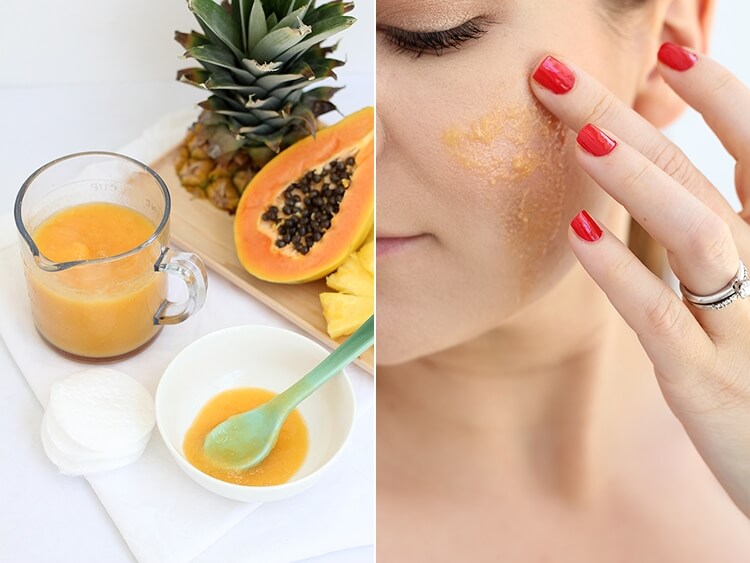
Papaya’s natural enzymes make it a powerful yet gentle chemical exfoliant. This mask leaves the skin looking refreshed and bright.
For this recipe, you will need:
- ¼ cup ripe papaya, mashed
- 1 teaspoon of plain yoghurt
- 1 teaspoon of honey
Apply evenly to clean skin and leave for 10 minutes before rinsing.
Note: Avoid this treatment if you have very sensitive skin, as enzymes can sometimes tingle.
Finding The ‘Golden Rule’
I reason that making wise beauty and skincare decisions is about not being tempted to jump on every trend, and to keep your wits about you. Not all DIY or commercial exfoliants are safe. Avoid harsh ingredients like crushed nut shells or salt scrubs on the face, as they can cause microscopic tears. Also, be wary of over-layering chemical exfoliants with retinol or strong vitamin C serums, which can irritate the skin barrier.
Dermatologists further caution against daily exfoliation unless using a very mild product designed for sensitive skin. Overuse can strip the skin of natural oils, leading to inflammation and breakouts, which is the exact opposite of the glowing complexion most are after.
Ultimately, the golden rule is moderation.
As skincare guru Caroline Hirons puts it: “Your skin is not a floor. Stop treating it like one. Respect it, and it will reward you.”.