

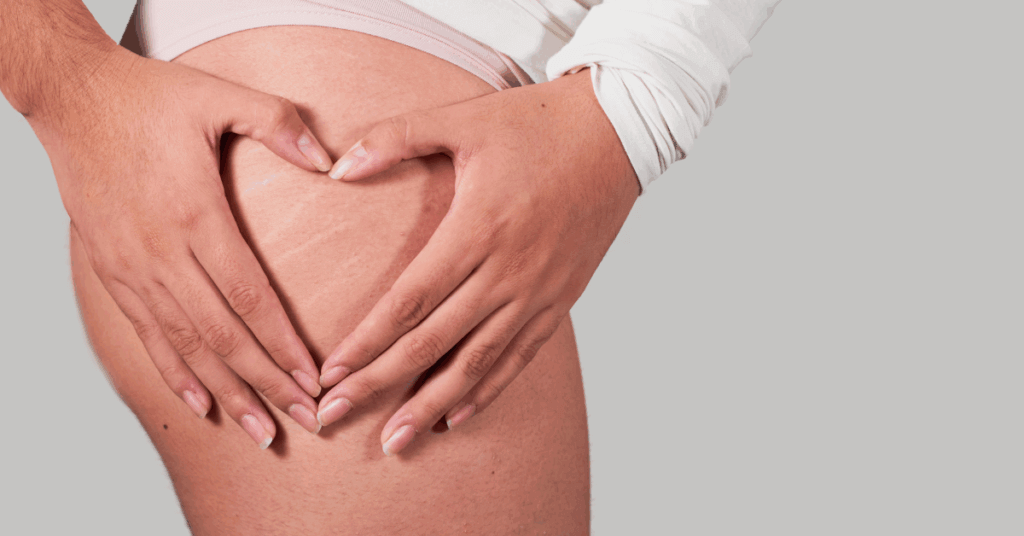
In the United Kingdom alone, over 20 million people have a scar, and nearly a quarter report short-term emotional or physical difficulties related to them. About 14% describe long-term psychosocial challenges. The Scar Free Foundation has called scarring a ‘hidden issue’, pointing out that 38% of UK adults are affected, though the topic is rarely discussed publicly.
These figures reveal just how deeply scars can affect personal identity, self-image, and social confidence. They are often seen as lasting reminders of trauma, acne, surgery, injury, or childbirth.
However, today’s advances in cosmetic dermatology have made it possible for the visible impact of scars to be reduced. Many cutting-edge, minimally-invasive scar removal treatments have been developed and are widely available. The treatments refine the scars physically and have been reported to help people feel more empowered in how they present themselves to the world. Online, there are multiple testimonies by people who have reported discovering a renewed sense of appreciation for their appearance following these treatments.
Recent UK studies show that the incidence of scar-related treatments have increased sharply in recent years. These treatments are being sought to address all kinds of scar conditions, including those caused by acne and chickenpox scars, as well as post-surgery and C-section lines.

Modern scar removal procedures focus on improving skin texture and tone. They treat both the surface of the skin and work at a deeper level, promoting collagen regeneration.
Different Types Of Low-Impact Scar Removal Treatments
Treatments are varied. They include laser resurfacing, microneedling and regenerative therapies, among others. Some of the most popular include:
Injectables
One common injectable used is Triamcinolone. This is a steroid which helps flatten and soften mature scars over multiple sessions, spaced 4 to 6 weeks apart.
Certain collagen-stimulating injectables like Sculptra (poly-L-lactic acid) and Radiesse (calcium hydroxylapatite) are also effective for treating sunken scars that require gradual improvement. These injectables work by stimulating the body’s natural collagen production over several weeks to months, resulting in long-lasting improvement in skin texture and volume.
Of course, PRP (Platelet-Rich Plasma) and PRF (Platelet-Rich Fibrin) injections can improve skin texture and healing, often combined with microneedling for acne scars. They use the patient’s own blood, processed to concentrate platelets and growth factors, which stimulate collagen regeneration and tissue repair, leading to smoother, healthier-looking skin.
Surgical Scar Revision
Surgical scar revision is another option. This is used when scars are deep, disfiguring, or in highly-visible areas. Techniques include excision with direct closure or realignment of the scar to fall along natural skin lines. This approach can be particularly helpful for transverse self-harm scars. Through strategic intervention, these can be converted into a more discreet longitudinal scar.
Steroid Injections
Treatment for keloid scars is more complex. These are overgrown, raised scars which extend beyond the original wound. They tend to appear more often in people with darker skin tones and may have a genetic link. Treatment often begins with steroid injections, and in some cases, surgical removal is combined with ongoing therapy to prevent recurrence.
How To Choose The Best One For Your Type Of Scar?
Ultimately, the best approach is determined through consultation with a qualified practitioner. While no treatment can completely erase a scar, options like laser resurfacing and surgical refinement can significantly improve its appearance.
Facial scars require especially careful evaluation. This is because they may affect appearance and expression. Factors like skin type, ethnic background, age, and healing tendencies are all considered before recommending a procedure for addressing a facial scar.
There’s a growing understanding of the psychological importance of scar-related treatments. Social media are among the media outlets transforming how people think about scars. Hashtags like #scarremoval and #acnescars are attracting millions of views on platforms like TikTok and Instagram. These social media posts have helped to normalise the conversation around professional scar treatment.
As a UK publication, Feast Magazine says: “Scars can affect self-esteem and confidence… in a society where appearance often influences social interactions.”
Taking Back Your Power Through Choice
However, in spite of the growing popularity of scar-related treatments, there remains a large number of people who are choosing to embrace and accept their scars. Influential platforms such as SELF and Byrdie tell the stories of people who wear their scars with pride. This is a refreshing counter-narrative.
The rise of both movements towards scar acceptance and scar treatment shows how personal and complex the decisions around scars can be. How you choose to embrace and treat your scars is ultimately your personal choice. It’s this power to choose and to regain a sense of mastery over your past which makes you an overcomer… scar or no scar.
As keynote speaker Craig Scott said: “From every wound there is a scar, and every scar tells a story. A story that says, ‘I survived!’“
You no longer have to live with the mark of acne, trauma, or surgery if you don’t want to. If the scar doesn’t represent who you are anymore, you don’t have to keep it. However, if you want to wear your scar as a badge of courage, this is just as commendable.
What it really comes down to is the power to choose.