

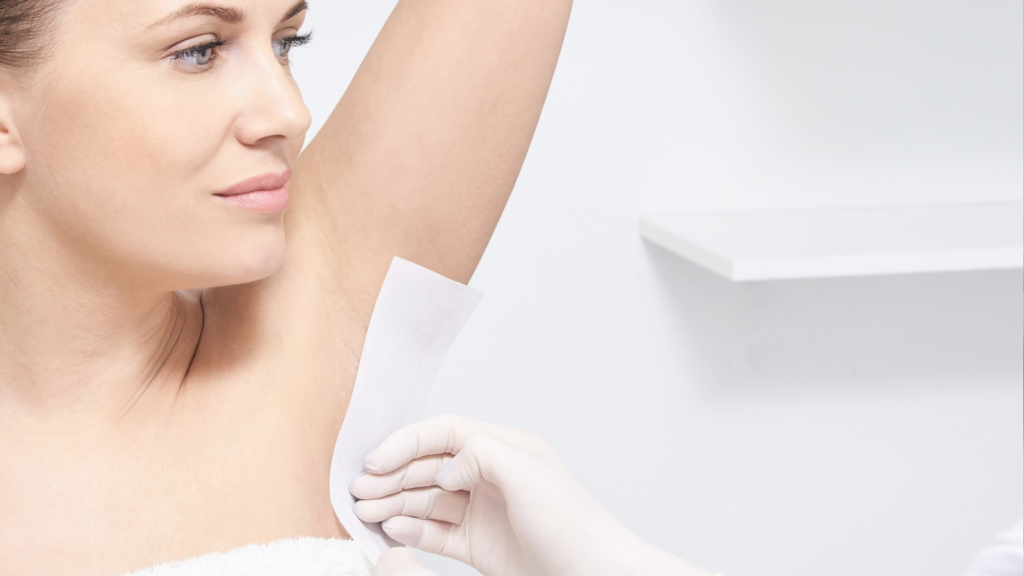
Let’s be honest ladies, we are complicated creatures. Sure, we want a lot of hair… but on our heads (think ‘Rapunzel’). Excess hair elsewhere is something we are sensitive about.
Still, I read that for around one in ten women, dealing with excess hair requires more than just shaving or waxing legs and armpits. A condition called hirsutism affects between 5% and 10% of women of reproductive age. This condition results in unwanted coarse, dark hair which grows in areas such as the face, chest, abdomen or back in a male-pattern distribution.
One of the most distressing symptoms of this is emotional distress. Women living with hirsutism might experience including embarrassment, reduced self-confidence, anxiety or depression.
Hirsutism is one of the most common endocrine-related cosmetic concerns seen in women. Polycystic ovary syndrome (PCOS) is responsible for approximately 70 to 80% of hirsutism cases, making it by far the leading cause. It can also be caused by elevated cortisol levels associated with Cushing’s syndrome, certain medications, or, more rarely, androgen-producing tumours.
The condition is less common in East Asian women and tends to be more prevalent among women of Mediterranean, Middle Eastern, Hispanic and South Asian backgrounds due to genetic and hormonal differences.
Specific symptoms of the condition include:
- Coarse, dark hair growth: This is in areas such as the upper lip, chin, jawline, chest, back, abdomen or arms, where women typically have only fine, light hair.
- Rapid or increasingly noticeable facial hair: This requires frequent shaving, waxing, threading or plucking.
- Acne or oily skin: Particularly if elevated androgen (male hormone) levels are contributing to the condition.
- Thinning hair or hair loss on the scalp: Sometimes resembling male-pattern hair loss.
- Changes associated with virilisation: Such as a deeper voice, reduced breast size or enlargement of the clitoris in more severe hormone-related cases. These symptoms warrant medical assessment.
The team from Fiore Aesthetics, which offer treatments for dealing with excess hair, note that although hirsutism is not physically painful but can significantly affect emotional wellbeing.
Modern aesthetic treatments such as Intense Pulsed Light (IPL) are recommended by the Fiore Aesthetics team for long-lasting hair reduction and the ability to minimise ingrown hairs. These offer an effective way to reduce visible hair growth.
The clinic’s professionals recommend Intense Pulsed Light (IPL) as the primary treatment for excess hair. IPL works by delivering broad-spectrum light energy that is absorbed by melanin within the hair shaft. This heat travels down to the follicle, disrupting its ability to produce new hair while leaving the surrounding skin largely unaffected. The treatment also offers the additional benefit of reducing future ingrown hairs and can provide long-lasting hair reduction after a course of sessions.
For women with hormonally driven excess hair, IPL is often combined with management of the underlying medical condition to achieve the best long-term results.
The clinic also incorporates mesotherapy and hair loss treatments into its management of hormone-related hair disorders. While mesotherapy is more commonly associated with skin rejuvenation or scalp treatments, it reflects a broader philosophy of treating skin and hair health as interconnected rather than viewing each concern in isolation.
These approaches represent significant advances compared with older methods such as shaving, waxing or depilatory creams, which remove hair without affecting future growth.
A Shift Towards Follicle Biology
As regenerative medicine and molecular science advance, experts suggest that future treatments for excess hair will focus more on changing the biological signals which cause excess hair growth in the first place.
They suggest that the future of unwanted hair management could lie not in regulating the behaviour of hair follicles, rather than destroying them.
This is because researchers are increasingly recognising that hair follicles are not passive structures. They are biologically active mini-organs which constantly receive instructions from hormones, inflammatory pathways, immune cells, growth factors and genetic signals.
An area attracting growing attention is peptide biology. Peptides already feature prominently in regenerative skincare because they help cells communicate during collagen production and tissue repair. Scientists are now exploring whether similar signalling molecules could one day influence hair follicle behaviour.
Although this research remains in its infancy, future peptide therapies might theoretically regulate the growth cycle of follicles, reducing excessive activity without permanently destroying the follicle itself.
Another intriguing possibility lies within RNA therapeutics. Messenger RNA, small interfering RNA (siRNA) and other RNA technologies are already being investigated for numerous medical conditions. Researchers are exploring whether these molecular tools could selectively influence the genes responsible for follicle activity.
Although such treatments remain experimental and are not available in aesthetic practice, they represent a completely different philosophy. Instead of eliminating follicles, clinicians could eventually influence the genetic instructions controlling excessive hair growth.
Studies of the skin microbiome are also underway. The skin is home to billions of microorganisms that influence inflammation, immunity and barrier function. Researchers are only beginning to understand whether these microbial communities also interact with hair follicles.
If future studies confirm these relationships, microbiome-based therapies could eventually become part of comprehensive hair management strategies, particularly in individuals experiencing inflammation or recurrent ingrown hairs following hair removal.
Regenerative medicine could also contribute in unexpected ways. Today, treatments such as platelet-rich plasma (PRP), exosomes and growth-factor therapies are primarily used to stimulate hair growth in patients experiencing thinning hair or androgenetic alopecia.
However, both excessive hair growth and hair loss involve disruptions in follicle signalling.
As our understanding of follicle biology improves, researchers may eventually learn how to encourage hair growth in one part of the body while suppressing it in another using precisely targeted biological therapies.
From Hair Removal To Hair Regulation
We’re not quite in the future… yet… however, we can use informed speculation to surmise how the future of treating excess hair might look.
It’s more than likely that IPL and similar devices could become one component within a broader biological strategy which addresses why excessive hair develops in the first place.