

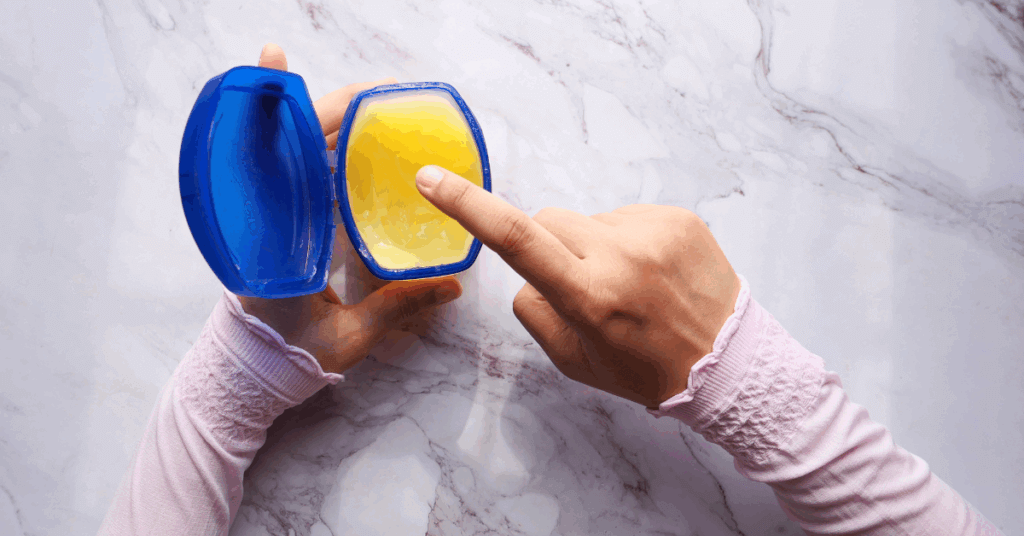
Petroleum jelly, better known as Vaseline, has become a beauty staple for many. Nothing sticks on lips quite like Vaseline, and its soothing benefits are almost instant. In fact, few beauty products have stood the test of time quite like it. It’s in medicine cabinets, diaper bags, and make-up drawers across nations!
Actress Scarlett Johansson has been quoted saying: “For day-to-day beauty, I’m a Q-tip and Vaseline kind of girl.” The brand Vaseline, is literally on everyone’s lips.
When I became a Mom, Vaseline was my ‘go to’ solution. I used it for everything and took it with me everywhere. It’s affordable, accessible and as I discovered, I could use it for my child and for myself. The word for this would be ‘versatile’. Nappy rash? Vaseline. Dry, cracked lips? Vaseline. Stretchmarks? Vaseline. We’ve all come to know Vaseline in this personal way.
On platforms like TikTok and Instagram, influencers are also now promoting something called ‘slugging’. This is the trend of coating your face in petroleum jelly before bed.
These influencers have faced backlash from certain beauty advocates who have warned against potential pore-clogging and long-term dependence.
At the same time, consumers are now embracing ‘clean’ beauty’ and scrutinising ingredient lists, and petroleum jelly has found itself at the centre of controversy. Many are now asking whether it is truly safe.
To answer this, we first need to look into its origins. Petroleum jelly was discovered in 1859 by chemist Robert Chesebrough. Chesebrough observed oil workers in Pennsylvania applying a gooey substance from the bottom of oil rigs to treat burns and cuts.
Fascinated by this, he purified the substance and named it ‘Vaseline’. He marketed it as a cure-all ointment. He even ate a spoonful of it a day to prove its safety. This stunt would surely be frowned upon today!
Petroleum jelly quickly became a staple in homes and hospitals and by the early 20th century, it was recommended for everything, from chapped lips to baby rashes and post-surgical healing.
Despite its crude origins, its popularity grew, and grew and grew.
What’s Really Inside That Jar?
Have you ever wondered what is inside your Vaseline jar? Vaseline has become so commonplace that we seldom stop to think about what it is made of.
Petroleum jelly is a semi-solid mixture of hydrocarbons derived from petroleum, a fossil fuel. The finished product used in cosmetics and pharmaceuticals is highly-refined and regulated by numerous authorities, such as the U.S. Food and Drug Administration (FDA).
During the refining process, harmful impurities, including polycyclic aromatic hydrocarbons (PAHs), which are known to be carcinogenic.
However, experts want that not all petroleum jelly is created equal. “There’s a major difference between pharmaceutical-grade petroleum jelly, like Vaseline, and cheaper, unrefined versions found in some beauty products,” says Dr Heather Rogers, a board-certified dermatologist and founder of Doctor Rogers Restore. “If not properly refined, it may contain contaminants that could pose health risks.”
Supporters claim petroleum jelly acts as a barrier that locks in moisture, preventing transepidermal water loss (TEWL) and accelerating skin healing.
According to a 2016 study in the Journal of the American Academy of Dermatology, petrolatum can reduce water loss from the skin by nearly 99 percent. This makes it one of the most effective occlusives available.
An occlusive is a type of ingredient used in skincare and health products that works by forming a physical barrier on the skin to prevent moisture loss.
However, critics argue that this moisture-locking effect can be deceptive. “It’s not nourishing your skin. Rather, it’s just preventing water from escaping,” says clean beauty advocate and esthetician Jolene Hart. “Over time, that can create dependency, where your skin struggles to regulate its own hydration.”
Some skincare experts also raise concerns about petroleum jelly’s occlusive nature potentially clogging pores. Some are concerned that it can trigger breakouts in acne-prone skin, especially when used excessively or on unclean skin.
One of the most alarming criticisms of petroleum jelly relates to its connection to petroleum, a substance also used in fuel production. Environmental and health advocacy groups, including the European Commission’s Scientific Committee on Consumer Safety, have expressed concern over mineral oil hydrocarbons in cosmetics.
However, the FDA considers it safe for topical use, and Vaseline, in particular, undergoes triple purification. “If you’re using a trusted brand, the risk is minimal,” says Dr Elizabeth Tanzi, a dermatologist and founder of Capital Laser & Skin Care in Maryland. “But not all products are created equal, especially imported or unregulated versions.”
The Clean Beauty Pushback
The clean beauty movement has intensified the scrutiny of petroleum jelly, classifying it as a ‘red flag’ ingredient. While brands like Vaseline argue their product is safe, others are switching to plant-based alternatives such as shea butter, beeswax, and squalane. These offer similar occlusive benefits with added nourishment, and they align better with eco-conscious and holistic health values.
“People want transparency and sustainability,” says organic chemist and skincare formulator Dr Sarah Villafranco. “Petroleum jelly doesn’t biodegrade and isn’t renewable, which matters more to today’s consumer than it did 50 years ago.”
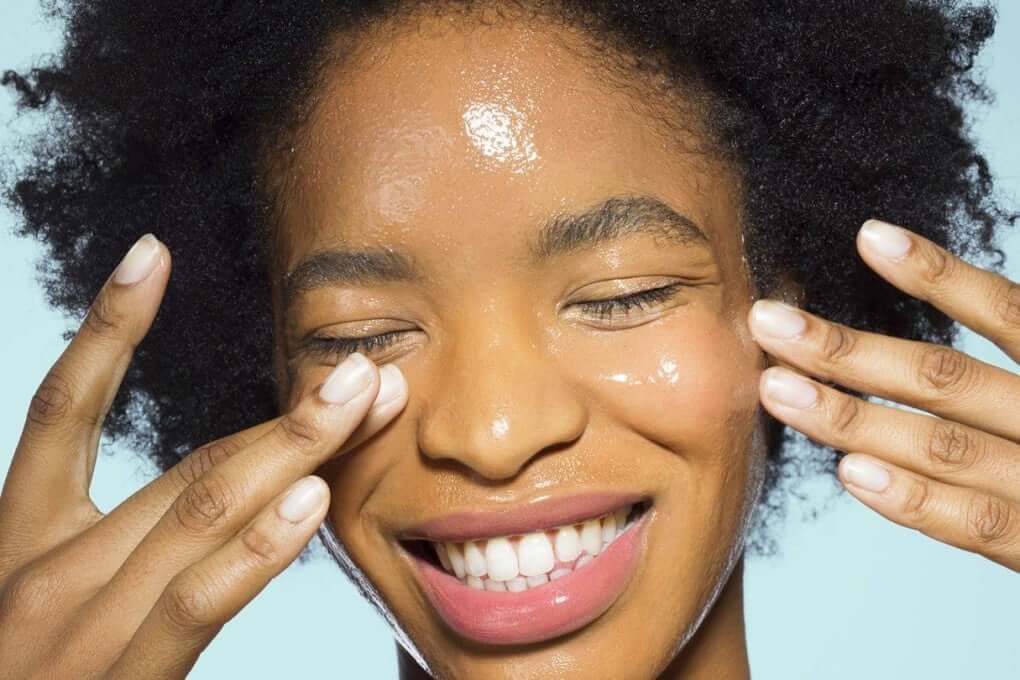
The truth is more nuanced than either extreme. When used correctly and sparingly, pharmaceutical-grade petroleum jelly is unlikely to harm most people. It has a long record of use in dermatology, particularly for wound healing and extreme dryness. However, it may not be the miracle cream it’s often touted to be.
Consumers should be cautious about the source of their petroleum jelly and read labels carefully. Choosing reputable brands which adhere to FDA or EU regulations minimises health risks. Those with acne-prone or oily skin should opt for lighter, breathable alternatives. Those seeking environmentally friendly solutions may prefer natural occlusives that offer additional nutrients.
Ultimately, petroleum jelly is a relic of industrial ingenuity which has earned its place in medical and cosmetic history. However, as science and consumer awareness evolve, it’s worth revisiting long-held assumptions and making informed choices about what we put on our skin.